
Being The Connector | Kori Shingles, JE Dunn Construction #014
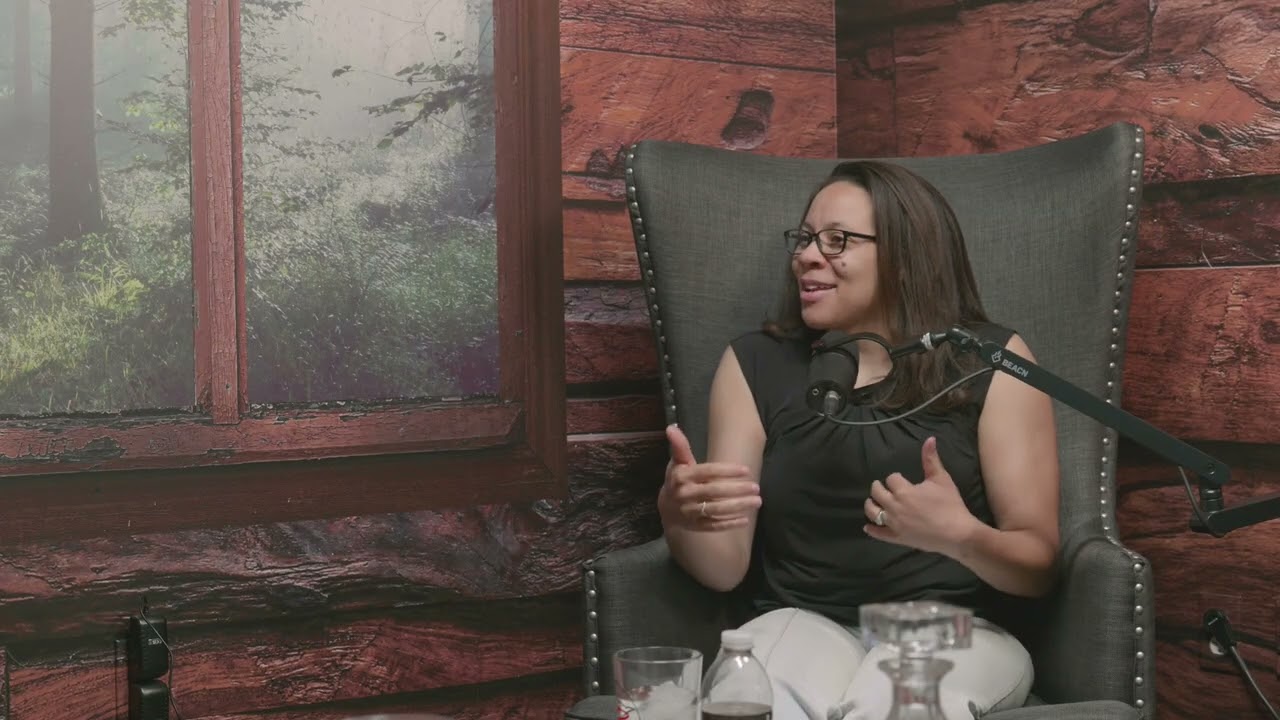
Karissa Dunham sits down with Kori Shingles of JE Dunn Construction to talk about being the connector. Meet The Connector.
Or watch and listen on:


Karissa Dunham sits down with Kori Shingles of JE Dunn Construction to talk about being the connector.
Meet The Connector.
Host Karissa Dunham sits down with Kori Shingles of JE Dunn Construction, known around the industry as The Connector. Relationships, business development, and what it takes to bring the right people together in Twin Cities construction.
Hi everyone, it's Karissa from Shining Light on Minnesota. We have a special guest here today with us, Kori Shingles. Welcome Kori. Yeah, thanks for having me. I'm super excited to be here. You bet. So, let's tell everybody a little bit about where you are in the working world and how you got there. Sure. Um, again, my name is Kori Shingles. I'm the diversity, equity, and inclusion manager at JE Dunn Construction. I've been there for 2 and 1/2 years at this point, which has seemed to just fly by. Um, but really the the great thing that I love about my job is I um it's basically my job to help provide people with opportunities and I take that very seriously. You do a phenomenal job of that. I know in the last year we've really gotten to know each other and you are an outstanding person in the community too. You love to help out. Tell people about how you sometimes tie people together and how you really like to help out. Yeah. So, we see each other at events and things all the time. And really, that's the more that I can get out and make connections, uh, the better it ends up being because then I hear from different people, oh, I'm really trying to do this. And then it rings in my head, oh, I just met this person just a couple weeks ago. So, then that's where I find um just a lot of the satisfaction of being able to connect people to have them like build success together. Um, recent example of that, if you'd like to hear it. Yeah, absolutely. Um so um at the AWC holiday party last year um we had a JE Dunn table and a lot of our um people there and um met up with Frank Brown from Minute Man Press who we had recently um met at a different event and just took Frank Brown around to introduce him to different people and Missy Sherb who's one that you've had on this podcast before was there. That was one of the introductions and so through that introduction at that event now the two of them are working together in different ways and um just to be a part of that piece and connecting people is what I really enjoy. So how did you get and maybe tell our audience a little bit how you got to jun and what your steps were on the process on the way up. Yeah, this is interesting because I to think now that I work in construction I you know 20 years ago I wouldn't have never thought that. So I actually got my start in collegiate recreation. U my first job was at the University of Minnesota where I was a sport clubs coordinator. So that just meant that I helped 24 studentr run sport clubs with their finances and travel plans around the United States. Um very interesting and um loved that opportunity. Uh from there I actually went to um parks and recreation in a couple different cities. Yeah. So I'm a recreation person at heart. Absolutely. But through that you end up making a lot of different connections. I've managed facilities. I've helped um with a couple of new construction buildings and ended up um when I was at the University of Minnesota, JE Dunn did an expansion to that facility. So, I got to see and meet some of them at that point and it gave me a key into to that process. So, parks and recreation to now um construction and people would say, well, what's the tie between those things? The the connections. Um I've I have a lot of um previous colleagues from my previous world that I actually still get to continue to connect with these days and so it's great. Outstanding. Are you from the area originally? I am not. I'm from Kansas City, Kansas. Fun. Yeah. Arthur or what is the Arthur Arthur Bryant Arthur Bryant? Yes. Yum. Yep. Um all the all the barbecue. So I find myself I'm a bar barbecue afficionado. Um and I try to find all those cool different places here in Minnesota as well. What's your favorite barbecue place that you've had? Oh, my favorite one here is called Black Market Barbecue. Nice. Um, they have the best short ribs, the best beans that have like all the meat and stuff in the be. It's delicious. Yeah. Nice. Very cool. So, who are some of your role models? Maybe not in the industry or in the industry. M, good one. Yeah. Um, I would say my boss is definitely a role model for me. Nice. Um the re one of the reasons that I accepted this job was to be able to like for the first time work with another woman of color and have her be my supervisor and she's been doing this for a really long time. Um so I look up to her. She's taught me so much about how to um build connections and um maximize opportunity and how to you know those inner workings of a business that can be difficult sometimes. Um but definitely it's it's worth it. So, Kesha Bosby, absolutely. That's that's a great person to look up to. I've met her and I've seen her on social media and different things, too. But it's great to have role models that you actually know on a personal level level, too, not just outside the world looking in cuz everybody's life on the internet is perfect. For sure. Yes. So, you've mentioned things that have happened in Jun. What are some of the things that you see as not really obstacles, but things that are changing in the construction world? Yeah. Um there's been a lot of change even since I've been here in the last 2 and 1/2 years. I think the way people are going about how to, you know, include those, you know, small minority womenowned, veteranowned businesses is something that um is getting getting better and people's thought processes of how to do it in a best kind of genuine way is is, you know, I I I see it um getting better and better over time. So that's really cool. Yeah, for sure. So, do you have a why? What's your drive behind everything that you do? Because you're out there in the community a lot. You do a lot with Jon, all the events. What drives you? Um, what drives me is um so you you asked about role model earlier. My other role model um was my my grandma and my mom actually too. So, my grandma grew up in um Texas, some farm girl. Yeah. Um and just her drive to do more and be everything for everybody and she had eight kids and um was a you know younger widow and so just seeing how she supported everybody and was just very um she used to say um not stubborn um not stubborn but determined. Yes. Determined. Um, so that determination, I mean, it's what what drives me all the time to help try to provide opportunities for people who may not have that seat at the table to be able to, you know, um, make things easier for them for themselves. Um, so if I can be in the room to help be able to do that, that's kind of what drives me. Um, I wanted to, you know, leaving park and recreation, there's a lot of fantastic things that happen there and you have, you can have a large impact. You meet a lot of people. you provide programs for people in a lot of different ways. I wanted to try to see, you know, what success I could have in another area um with kind of building relationships and and helping um people thrive. So, how is the difference from going from the park and recreation at the college level or just in the city level then going to construction and really making a difference in a lot of people's lives in the construction world? Um, I think the the one of the the larger difference that I've noticed is now I get to have those like more lasting connections with people, you know. Um, when I'm creating a youth soccer program for 25, 3 to 5 year olds, um, I get satisfaction with seeing them cutely like dribble the ball out there, but there I don't I don't get to know them as well like after that fact, right? I see the smiles and you get the gratification, but there what then? So, I get to see other people throughout you and um that's what I think gives me that gratification. You definitely have done a lot for me in the last year just all the introductions that you've done. But on the same hand, how do people or the customers or anybody that's out there looking in, how do they what do they need to do to get on your notifications and on the JE Dunn boards and things like that, too? Yeah. So, I call myself the master connector. So, if you're interested in doing business with JE Dunn, you don't just have to talk with me, but I guarantee that if you talk with me, I'll make sure that you get connected with the right people internally. And what I found like getting connected to the right people is huge um to be able to kind of help move you through that process a bit faster. So um to get on to different things um reach out to me corey.jshinglesjun.com. Um I'm really great at emailing. Yeah. Um and then I will connect you with our estimating department or or whatever that may be. Perfect. So you have your work life, you have your home life, you're a mom. How is that shift going in between work and everything? I know J. Dun is awesome at all-inclusive and having the kids around and everything like that. Does that make your daily life a little bit easier? Yes. Yes. Um, one of JE Dunn's guiding principles is family first. And you know, sometimes when you see that on a a website, you're like kind of gimmicky. Yeah. Is it? But it truly is. I remember um an example um last year my daughter um had to get um ear tubes in or something. She and she was sick all the time. So, um I went to our um office lead and was like, "I'm sorry. I have to leave right now. I have to go pick up from daycare cuz that happens to us sometimes, right?" And he was like, "You know, not a big deal. Just go." And we were kind of working on something big at the time. He's like, "We got this. Just go." And so, when that happened, I was like, "Okay, easy. This is this is family first. It is that." And so, I greatly appreciate that fact because when I do have a sick kid, it's not the the end of the world. I can I can make it work. um when there are other things that you know bombard at different times, it's a little bit easier to manage all of them because you know you I'm at an employer that supports that. So nice. That makes it a lot easier not only as a mom but just as somebody in the community looking into being like, hey, they know what their priorities are. Their priority priorities are their employees. And just to kind of make that flow, a lot of times you don't want to just feel like a number. You don't want to say, hey, I have a kid that's sick, but I have a huge project. What now? Who do I reach out to? Right. How is the transition from your mornings to going to work to getting back home? Is that pretty flowing right now? That's a good question, right? Good question. Sometimes it flows really well. I'm like, okay, this is a good day. But, you know, sometimes when there's that, you know, 8:00 big deal meeting in the morning and my daycare opens at 7:30 and I live about a half hour from from where I work, there's the, "Okay, got to get the daughter ready and she doesn't like what I made her for breakfast." And there's all these different things that happen. I'm like, "Okay, get out the car. I got to go do all these things." Um, and then, you know, I know it takes me an hour then to get back home from work after the fact because of traffic. So I always feel like I'm rushing from thing to thing and sometimes I do have to make myself take it like it's the weekend. You don't have to rush or you don't have to rush right now. So I think that's something important for us to just all realize is that sometimes we just get in the flow of the routine of rush rush rush and maybe we're rushing and we don't need to, right? And it's a lot of times I know even in my life it's multitasking and it's like okay I'm trying to do too many things at once. Let's just take a step back, focus on the one thing, get it done. Yeah. Sit back, listen, see what's going on. Everything else will happen when it happens. And it's it's hard when you get in the flow of things and you have to kind of do everything. You're looking at your GPS. You know, you have to be somewhere. Yes. And everything like that. So, with J done, what is changing in the construction world as far as technology and people and things like that? Anything good? Yeah. So, I think ever changing. Yeah, things are ever changing. Um, I think, you know, as technology gets better and better and more robust, um, some of the, you know, we have a lot of internal systems that do a bunch of separate things. Um, but now we're kind of transitioning into a lot of ones that kind of can at least do multiple things. There's not as many different systems. So, I think that'll be good. Um, one of the ones that we're actually getting into that, um, was mentioned at the quarterly meeting that we had is building connected. And I think a lot of um general contractors are using that. So hopefully that means that people don't have as many different things as a business owner to try to get into and do for each separate um GC, which will be great cuz I think we all realize that um you're business owners, you have a lot of different things on your plate. And if you're trying to do work with multiple general contractors, then you probably have different systems that you have to get into. Absolutely. From the proces, the building connected, just the SMS systems, things like that, too. Yeah. all those things. So, the more that we can do to kind of help minimize that, I think the better. And I think that's kind of top of mind for a lot of people. Yeah. Nice. So, with everything in Jun and everything that you do on your daily life, what are some of the things that you strive to do in the future? Oo, that is a good one cuz I still I still ask myself, what do I want to be when I grow up? I know. I think I do, too. Am I doing it right now? Oh, is this? So, um I know that, you know, in the future I just I really want to continue to feel like I have like I'm like I'm making a difference. I know that's probably cliche sounding as well, but you know, I have two younger kids and I want to do my part to help make the world a better place for them. Um so, you know, to me that means um trying to break down some of the barriers now that hopefully won't be barriers for them and doing that to the best of my ability. And so on those, you know, tough days, it's like, okay, we can keep trucking because, you know, this, you know, the the angst maybe that we have now hopefully won't be in as much angst later. Makes total sense. And I I think everybody kind of Well, not everybody. I do the same. I mean, you have those things, but you want to be somebody. You want to leave your space. You want to do something for somebody. What are some of your goals that you have when you get older or even right now? Yeah. So, um I think a goal would be um at some point I want to try to be a seauite person. Nice. Right. Yep. Absolutely. Um to to be able to um influence culture and you know cuz that's huge. It is. Um I'm thankful to you know be I'm I'm I'm able to to do that now and it's and I find a lot of satisfaction in that and trying to help build teams and have people work together and collaborate in ways that are different. So, you know, if that skill set translates into something in a leadership level later, that would be fantastic. Absolutely. Um, but I also like, do I want to work for myself someday? Yeah. Um, which would be cool, too. But I also get to work with a lot of business owners now. And I'm like, gosh, that's a lot. There's a lot that goes behind that, too. It's nice to just kind of leave stuff at work and well, not really leave it at work cuz you always bring it home, but to not have all those extra ties. Mhm. So with your goals that you have and hearing about the seauite and making a difference and growing and changing, what do you think your girls have they talked or your kids talked about any of the roles or hey I want to be like mom when I get older. I want to make a difference or I see grandma or anything like that. Yeah. So my daughter, she's five and so since I started working in construction, she she has talked about that she wants to be a scooper driver. Perfect. Um she knows it's an excavator. She knows all the names for these. She just calls him. She calls it. Yep. And so one day she was saying, "Oh, I want to be a princess scooper driver." And I'm like, "You know what? You you do that." Um, so I think she's, you know, just, you know, very influenced by the opportunities that she sees. Yeah. And I think that's, you know, again with the de andi role that I have and the, you know, trying to help build a workforce of um different people, I think it's important for us to also realize that that representation at different levels is is is important cuz I don't know if my daughter would have thought about construction if she didn't see it from me now. So, what can we do to help, you know, bring more people in um into the construction industry that maybe have never thought about it? Um, that's one of the things that's top of my mind as well. And I think that that's important. I know a lot of the younger generation, especially girls, when they grow up, they think construction is all just let's go out and hammer, we're going to use a nail down or we're going to go out and, you know, have to drill some stuff and do this and that. But there's so many different options in that world that they don't see that. You could be a lawyer, you could be an HR, you could be, you know, all those different things. And just to get out in the community and talk to schools and help, too. You guys do a lot with schools. Do you do events and things like that and workforce development and all of that as well? Yeah. So, um I've been to quite a few different schools this year and you know to have that same conversation of you know if you're not interested in the the hands-on swinging the hammer um yeah there are so many opportunities and to kind of see that light bulb go off on people and um is really cool. So, I'm I've given my cards to a lot of different young people and said, you know, I want to help support you get there, no matter what that is. And whether if it's you coming to Jade Done in the future or you just getting into the industry, that's a success. Y um so I' I've um really proud of the fact that we've been able to kind of help um get people to think about it in a different way. Yeah, absolutely. I know when I've gone to schools and things like that, just giving people not just your business card, but making that connection and being like, "Hey, we have graphic designers, we have this, we have that." But on the same hand, it's this is what we're working on and you know, this is why you're doing what you're doing in school cuz this is how you'll use it later on in life, too. A lot of times it's making that connection for sure. And different age levels, there's different things that are important to them. Some might be, hey, let's that's cool. Let's walk on, you know, scaffolding and get up high. other ones it's like how much am I going to make you know for sure we've gotten those how much do I have to work in the snow and what's it going to be like or what do I have to do to take the steps to get there what were the steps or what are the steps if someone wants to get into jun or construction when they get older that they should look forward to or that they they know the right routes to take yeah what I'm learning in construction it's kind of hard um to be able to find you know what that that path may be because there are so many different programs and you have unions and you have different ways of being able to get in. Um, so I think my first encouragement for people is just to find find that person who can help you navigate it all. Um, so if that's me, cool. I would love to do that. Um, because there's there's different routes depending on what your age is, what you're interested in, and all sorts of different things. And so as I've been talking with youth and, you know, they're 16 or 17 years old, interested in doing this, um, but you know, what's that step? They want to start working and doing things with their hands. Now, how can they get there? Well, um there's Lake Street Works. There's all these different programs that are really fantastic, but um how do they get there and how to find them? Um find a person and ask a question. Yeah. Well, I know a lot of times with youth, I mean, even starting at the junior high level these days, they're starting to think about, hey, what do I want to do? And parents are always college, college, college, or you know, go into the trades and do what I do. A lot of times it's following in the footsteps of your parents. Yeah, but I think it's finding your own route and being your own person and seeing what drives you and who knows where you'll end up at what age and what time and you just have to kind of be open to that. What is your favorite quote? Good question, right? Totally a good question. Um I'm going to I'm going to mess it up. It's okay. Just something similar or some kind of Yeah. What motivates you? Yeah. So um my Angelou has one that talks about like if you okay people if I'm say this wrong um you know if basically the essence of it is if you don't know once you know more do do more with it right so I think the that point is like as you're learning and you learn how to what you know more about diversity equity inclusion what that actually means or you're learning in different ways um now what you actually do with that information is important so can't always just say, "Well, I just didn't know." Well, that works for a little bit, but now you know. So, what are you going to do with it? Once you know, you know, but it's also like kind of going off of that, it's how can I take what I've learned and use it, but also help other people that are trying to get into those steps. So, in the networking world or in any world, it's somebody's just starting out, how can I mentor? How can I help? Like, what can I do? It's I'm not going to hand things out, but I'll give you the right steps to be successful. Yep. And one thing that I hear, um, I'm going to keep name dropping, but Yolanda Macintosh at the AGC. Um, she is always saying like, who are you bringing up with you? Yeah. So, as you've traversed and as you've done all these like different things and you're having some success, like bring along somebody with you, help them out, mentor them so that we can kind of bring people along in a in a successful way. Yeah. Because a lot of times in our world too, I mean, you start to get to a point where you're around a lot of people, but you don't feel like you're making a difference. You just kind of keep going through the rotation and the motion. So, when you do get to mentor, you do get to help or just making that connection for somebody, you're like, "All right, I actually helped with that." You know, you can see you can see and feel the difference because there are a lot of nos in the world and there's a lot of not now or, you know, it's just not what we need. Yeah. So with the everchanging world and mentoring things like that, do you also mentor on the side? Um, a little bit. Yes. Um, so, um, Nwick, National Association of Women in Construction, actually had a mentorship program. We talked about that. We did. And I'm doing it. Doing it. So am I. So I think there's, you know, those formal kind of mentorship programs that are happening, which is, which is great. Um there was there's a student that I met at one of the um construction career fairs that I went to and I've um kept in contact with him and helping him navigate different things cuz right when I met this this student um just the way he shook my hand and said, you know, this is my name and I want to I want to do this for a living and you know, as I'm preparing myself for it, I I want to do something that helps me get there. and I was just blown away by the charisma that I saw and um just the go-getter mentality that he had. So, um helped connect him to Lake Street Works, help to like introduce him to different things. So, I try to do it um as much as I can given how much I'm out meeting people. Yeah, for sure. I think it's hard. I mean, obviously people have energy and they want to go and they want to do it, but then there's also people in the same hand that just want, hey, give me your contacts, get me in here, do this, do that. And it's you have to draw a line. I mean, obviously, yes, I'll help you. Let's let's figure out the route you want to go and how you want to get there and we'll make those connections. But it's not just a simple handout cuz I work for it just like you work for it. And you want to make sure that everybody's growing and changing cuz when you do better, everybody does better. So, yeah. And I think I my struggle is and thing I've been working on is like Kori, you can't help everybody and you can't do it well if you're trying if you're trying to do so much at once. So I've been trying to more strategically, I guess, be able to to do that so that I'm not spread super thin trying to do so many different things and then not actually able to help anybody because I'm not doing it in a good way. Do you find or what are some of your obstacles when you're out there in the community when you make connections? Have any of those kind of faltered off and they keep coming back to you trying to make that connection because they're not taking the steps forward? Yeah. So, there are sometimes when like if there's a lot of different events in a row and so I've met so many different people sometimes the follow-up time after that it takes me longer than I'd like. Um so there might be that they have to reach out to me again. I'm like, "I'm so sorry. This is not typical Kori." And then there are some of those times where like I feel like I've had that really good connection with somebody and they're like, "I'll reach out to you." And and then I'm like, "Well, you never reached out to me." That's that's on you then. Yeah. So those ones I'm like, "Okay, did I not do what?" So I get into this thing like, "No, my checklist was checked. It's there's nothing else I could do at the time." You know, you email, you reach out. Yeah. Sometimes people just don't necessarily need the next step, and that's okay, too, right? Yep. Yeah. So, a lot of helping in the construction world at home. You have all that going on. Tell people kind of when you're out and about and you get to bring lunches somewhere or you get to go to lunch somewhere, are there specific places you like to go and do you like to make those connections, too? Oh my gosh. Yes. I say I'm also a foodie. So, um I like to bond over food. Yes. My favorite kind of food is Vietnamese food. Um, so being able to go and eat like each street has a lot of different great Vietnamese restaurants. So I go and take people if I'm doing a a lunch meeting with somebody. I like to support those, you know, different bipac own businesses as well in that way. So I'll go over to Quangs, I'll go over to FAWA, and um I have a bunch of different coffee spots now that I like to go to. Um, I went to Abagato's Cafe in St. Paul yesterday and it was super fantastic and they said they're the only Latin um Americanowned um coffee spot in the Twin Cities. Coffee was fantastic. Yeah, it was really good. So I um Yes, I do like to go and eat and then make connections and then if they have catering, use that catering for work and support in all the different ways that we can. Yeah. I know when we first started off the Tinji's palette um in Minneapolis, we went and did the graphics for her and we supported her. We've done a lot of work with her. Um, want to get her on a podcast one of these days, but we did one at her shop originally. So, we just, it was a quick one, but just helping out the the mom and pops, helping out the the single small businesses because that's really what the culture is about and helping out those those one-ups instead of I'm going to go to Starbucks and get the same thing every single time. You never know what you're going to try and who you're going to meet there when you're there, too. For sure. Yes. Um, I've been to Latenis and the peach cobbler there. Super good. And now now that I know that you did the graphics, that's super cool, too. Yep. You can kind of put two and two together. It's fun to see like once you or even in your world when you go out to a place a few years down the road and you're like, "Oh, yeah. I did that place." And you start kind of going through the process on like all the steps that were taken or all the obstacles that were things that helped you grow along the way or something that was just a major project. It's like people still talk about it and they're like, "Oh, yeah. We saw that." I'm like, "Oh, yeah. That was mine, wasn't it?" Yeah. So, which one is your favorite one that you've done? Um, I would probably have to say um one of the bigger ones, the Subaru dealership on 494. You see big billboards of like dogs and canoes or like mountain bikers, skiers just because it was so big. Um, and one of those they change it up all the time. That was a fun one. But we do a lot in children's hospitals, too. and just seeing the kids get excited or even schools making them not so prison. Like there's just so many different ones that we could go down and talk about down that route. But I think when you know that you're doing something to brighten somebody's day, you know, or making a difference, just helping out. Um kind of a small little side note, we had a little gentleman come in by the name of Jax who has XP. Uh, I don't know if you're familiar with XP, but he came in, his parents um were looking for something for their schools, for their home, so he could live a normal life. For the viewers that don't know, XP is related to um the son and kids or adults, whoever have it, can't go out during the daylight unless they're protected. So, he came in in almost like a little space suit and it was just such an amazing thing to now help his second school and still follow him on his route and make differences in people's lives. Yeah. Super cool. Yeah. Um, and I mean I've been to your office here. This is a second time, I guess. So, seeing all the graphics and how people have their offices is really cool. Um, it just shows that, you know, there's there's different ways of being able to help like make a workplace um, feel like home and I just think it's super creative. So, I mean, I I feel like I'm in a cabin in the woods right now. Legit. Well, it's fun to go into people's homes, too, and have have them see their artistic ideas. I mean like when you guys go into job sites too and it's like okay let's totally redo you know the state office building or whatever it may be and just see it from start to finish and all the issues that were there originally and how it's grown and changed. Yeah. I think the so you know our superintendent and project managers you know talk all the time about like okay yep I did that building and I did that building and now to be able to you know kind of do the same thing. I'm not the one building it or help but I'm a part of it. So yeah, now when we're finished with that state office building or uh the North Point Health and Wellness um that just had its ribbon opening, I can say, "Yeah, I was a part of that." That's kind of cool. Yep. From kind of start to finish. What's been your favorite project that you've been a part of or that you've done? I think my favorite one um it was already going when I started at JE Dunn was probably the um North Point Health and Wellness cuz it's over in um North Minneapolis. I got to kind of know that neighborhood a bit more. Um, and you know, we we volunteer over there all the time with their um, food shelf and free fresh food Fridays is a thing. So, if you're looking for a really fun volunteer opportunity, um, basically you go and you just help set up a popup like food um, farmers market for people in the community to be able to go to and pick fresh food and it's really awesome. So, that's my favorite cuz we've done a lot of different get a hold of that or how do they reach out to help for that? Yeah. So, I can be the master connector and connect you with Jamila, who I know over there. Um, otherwise, you can just go to North Point's um website and type in um food shelf and you can get the information there. Yeah, I know that's always important and they always need help. There's always businesses and always people that are trying to find ways to volunteer and help out in the community and I think that that is a good one and any way people can get out there and help, there are people in need every day. Yes. Yeah. So, with that one you've done, are there any that have been a little bit of a hiccup that have been a little bit more of an obstacle for you in your part that you were like, I really grew from that? Yeah. Um, yeah, I think there's, you know, when we try to, um, I think I'll make it a general statement instead of like a specific project, but like trying to find, you know, those specific ways to include people, um, can sometimes be like if it's a larger project, um, those bid packages are really big. So, we have to make sure that we're thinking intentionally on how do we break things down to make it so that more people can can, you know, qualify to be able to bid for them. Um, so I think, you know, me coming from outside of construction, um, with the task of trying to help, you know, um, our teams with doing this work and, um, I didn't know what MEP meant. I didn't know what a bid package was, scope of work, what what does that mean? But now, you know, 2 and a half years later, I can kind of chat through those things and help people, you know, think through like maybe we can try to do something this way and then they run with it from there. Um, so I think that's it's harder because again, I'm coming into it from from somewhere else. But I think, you know, that's kind of a superpower too because you get to ask those why questions and like why do we do it this way or you know, has this is there a reason for this and you know, well, what's the process like? When you start asking some of those questions, it also helps people think about like, yeah, I don't really know why we do it that way or yeah, we do it this way for this reason. It's really important or we've done it this way all our lives and that's just how we do it. That's just how we do it. So, um, you know, for those that may be listening that are thinking about trying to do and go into a different industry, I would say don't count yourself out because you probably have different talents and skills that can be an asset for that industry that that industry doesn't even know about. Well, I think a lot of times people come into the role and they're too scared to ask those questions or why is this happening or just even going out with an installer or going out, you know, and actually seeing the work being done like why do you do it that way or how is this done or you know what are the regulations and how do we how do we improve or how do we help that process because then you can replicate, right? Yes. Yep. So, we talked about superpowers. What would be your favorite superpower if you could have one? Oh my goodness. If I could have a superpower, I would want it to be um the all knowing superpower. Nice. Um cuz then I think you can influence so many more things cuz you come at come at it with knowledge. Um I'm a learner at heart. So anytime I can, you know, learn something, get a catch a webinar here and do those things, I do it as much as I can. Um, but there are times like in my current job that I wish, oh, if I could just take that estimator's thoughts and put it into my head so I understand, then I might understand this more and be able to help more. For sure. Do you learn hands-on or do you think you learn more by kind of reading and looking into it first or how what's your easiest way? Um, I think reading and looking into it first. So, because I feel like if I come at it with a little bit of knowledge, I can ask those like better detailed questions to help me learn more. Yeah. Um, but yeah, I'd want to be the all knowing Cy. Yep. Perfect. Do you find that when you ask those questions, people are kind of open to them, like, hey, you know, why do we do it this way? Cuz I feel like when certain people get those, it almost makes them feel like, hey, I'm actually a somebody and this is why I do it. Yeah. Um, I think it's kind of too all in how you pose the question. Um, and if it's posed in a way of like, you know, I don't I really don't know, so I need you to help me figure it out. Yeah. But if it's a very person, why do we do this? Why do we do that? Why is it like that? And I've realized too that because I'm a why person, if I keep asking those why questions and some people might think that that I'm challenging them or whatever in a certain way. So I try to make sure that I flip the why question or do it in a different way that Yeah. So that it seems different. But asking questions is is it's key. It is key. And people say there's no dumb question. I think there kind of are, but I think it all comes in at, you know, how are you asking a question? What's the tone, too? And what's the tone? Yeah. What are some of the harder questions that you've had to ask or that have been asked of you as of lately? Um, I think a harder question that I that I do get is, you know, um, why did why did you all do that like that? because, you know, my business doesn't qualify for that or whatever it might be. And so, um, I don't necessarily know the why, so I might have to go and ask somebody else the why. Um, so I think it's hard cuz a lot of times in my job, I'm kind of the middle person. Um, I'm not the one that's giving out the contracts or doing all this kind of stuff. So, um, it's it's important that I kind of maintain those good communication between as I'm the middle person because if I don't do it well, then some people can end up not being happy. So, um, yeah, I think that's the big one of the big ones that I've gotten lately and it's like, no, I we didn't really do that with, you know, mal intent or whatever it might be. It's just maybe we didn't think of it that way. Right. And honestly, when I've come back to our team with a, "Hey, this is what I heard." A lot of times, um, most times they're like, "Oh, yep. We can we can we can remedy that. We can fix that. Thank you for bringing that to the intention." So, I'm thankful that I get to work with people who are kind of, you know, in this to to make things better as well. Yeah. Do you find that when people, let's say they're trying to do pre-qualifications or they're going out and looking at the bid package, if they don't win the bid, are people or do you find a lot of people coming back to you and saying, "Hey, why didn't I win?" So, it's a learning experience for them or do you wish that more people would? I wish that more people would. Um, and we've internally been trying to figure out ways for us to be able to give that feedback more and have there be more touch points along the way of the process. Um, so again, something that we're working to to do better at, but I would love it if people would ask those questions. Um, because because then you kind of know and yeah, we can't there's certain ways that we have to answer that back to you. Absolutely. Um, but yeah, ask the question. I mean, you could just miss it's something as small as missing a number and it could be like, hey, you know, you missed this number this time or something didn't quite compare apples to apples. that you know you missed a major spot or it was great but it's just life happens and it is what it is and sometimes you have to go with what you know and things like that too and I think the more and more that we build the open communication. I think there's you know a lot of times and maybe how maybe this is how it has been historically in the in the in the business is you submit your bid you wait you don't know what happened and then whatever. Um, but I think we want it to be that you submitted your bid, you got to talk with one of our estimators, and you you felt comfortable letting the know, hey, I submitted my bid today. Looking forward to this. Um, and we can communicate back to you and there's this back and forth communication so that we're all getting to know each other. So, those those, you know, other conversations come a bit easily. Yeah. And I know a lot of times like with us when we send out a bid or whatever it may be, just just the followup pay after I've submitted it, even if you don't get it, you know, thank you for the opportunity. We are so grateful for, you know, just letting us in the door and being able to bid on that one, building that reputation that we find is great and we appreciate anything and everything that we can do. Yeah. Yeah. Cuz I think in the end, we're all people. Yeah. So, we're all for everybody. Yeah. There's there's definitely enough work out there. So, um the more we can communicate and kind of work together to make things better, the better it is. How do you guys find with other contractors? I mean, I know you have great communication and you guys do a lot with other construction companies, too. How would you help relate that to the outside world? Let's say Canudson has a job that you guys are working on. Do you put them in connection? You know, this is something they have coming up or whatever it may be. Yeah. As much as we would like to say that we win all the jobs, we do not win all the jobs. So, they go to somebody else. And you know really if us in DNI roles are doing our job well we want to uplift those trade partners and subcontractors that we're working with. That's the whole reason we get into this. So yes I know that Kudson has won a few. Um and just the other day I told people yeah you need to reach out to Ramona Wilson. She'll help be the connector for you in that place. So I think we we all um you know try to do that. I think there's relationships that I have um with other DEI people in in other companies and I think the the more that we you know have that collaborative mindset between us the better it is um because yes we're competitors you know we want to win work um but I think given what we do um we're not competitors you need support too and like hey you know this is what I'm dealing with on our end are you guys dealing with the same thing just to kind of have somebody at your level for Yep. So, you guys have a lot of locations nationwide. How do people get a hold of you other than um let's say they're in a different state or anything like that? Do they do you find that they reach out? Do you want them to reach out to you? What's easiest for them if they're let's say in Colorado or somewhere? Yeah. So if you are a business like Sun Control that has you know um businesses in other places um I'm more than happy to connect with our other DEI managers who again like we're kind of the master connectors to be able to connect you internally with the right people. Um so reach out to me and um I'll make that connection for you from somebody from the outside world. Let's say there's a subcontractor coming in and they're like hey I haven't heard of Jon. What's the best way for them to look into some of the work that you've done? Past projects, future projects, things like that, too. Yeah, our website's pretty great. Um, and it does go into detail of all the different offices. I was just looking yesterday. All the different offices, the locations, who the office lead is, what projects that we've done, like highlights like that. So, I know when I was originally applying at JE Dunn and was doing my diligence and doing all the research, that's where I found a lot of the information that helped me decide, yeah, this is a place that I want to potentially work for. So, um there's a DE and I page on there. So, if you're wondering like what are they legit doing in that, go to that D and I page or I'd be happy to talk with you. Um so, yeah, go to the website and then um again, I'm more than happy to have any conversation with people. Outstanding. Well, we appreciate having you on today. We hope that people have really gotten to know you because I know in our relationship you're an amazing person. You really love to help out and I really am grateful for our friendship that we have. Yeah. Thank you so much for having me. I was intimidated about this but you are fantastic. I'm I'm happy to have the time and greatly appreciate you as well. You bet. And if people don't know again one more time, what's your website that you guys can be found on? Um jud.com. And then if you want to reach out to me, Kori ki.shinglesjun.com. Perfect. Thank you so much. Thank you. Yes. Yeah.

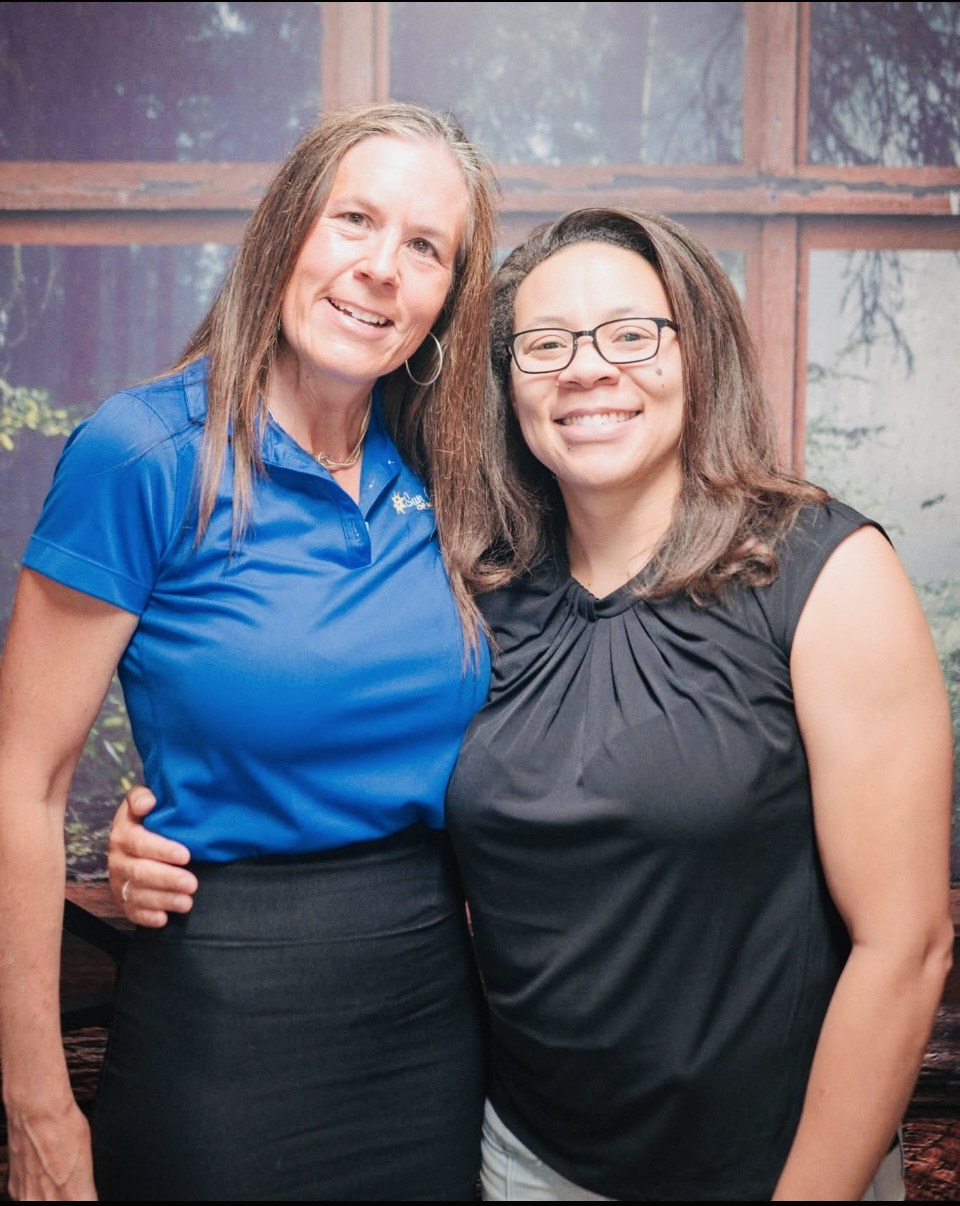
Karissa leads business development at Sun Control of Minnesota and hosts Shining Light on Minnesota, sitting down every week with the business owners and leaders who are building something good across the state.





