
Following the North Star | Josh Klassen, Transworld North Star #017
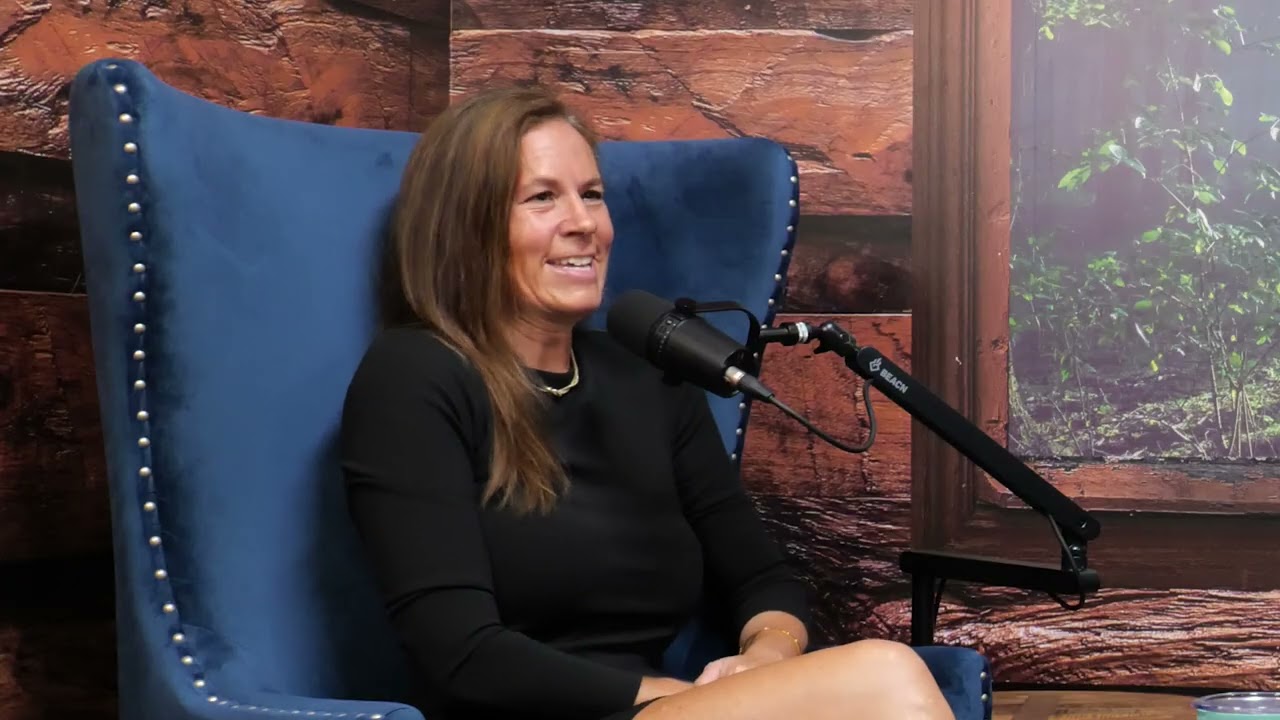
Karissa Dunham sits down with Josh Klassen of Transworld North Star to talk about following the North Star. Follow the North Star.
Or watch and listen on:


Karissa Dunham sits down with Josh Klassen of Transworld North Star to talk about following the North Star.
Follow the North Star.
Host Karissa Dunham sits down with Josh Klassen of Transworld North Star about buying and selling businesses, finding direction, and following your own north star.
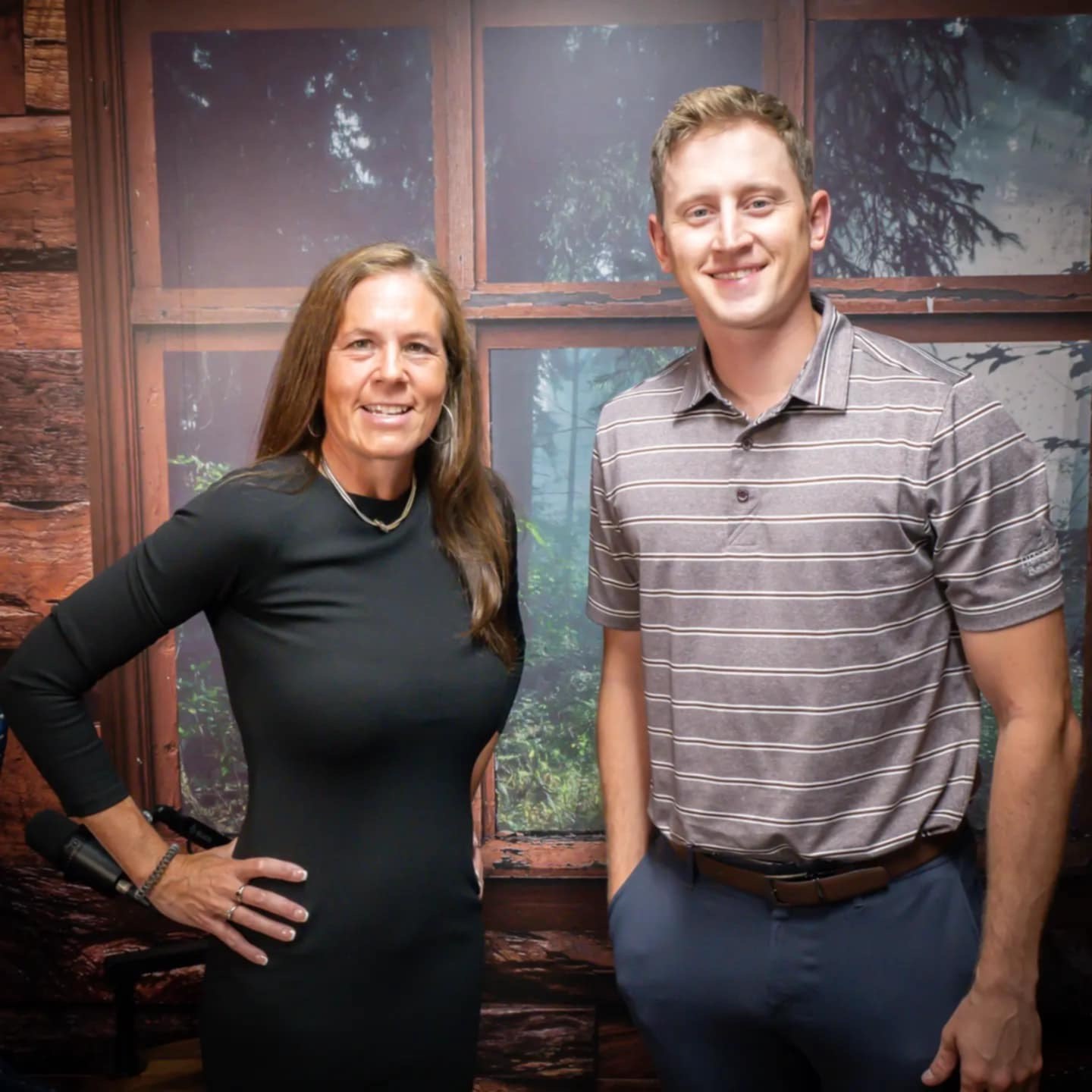
Hello everyone. I'm Karissa with Shining Light on Minnesota. We have an awesome guest here today, Josh Klassen. Welcome, Josh. Thank you. Yes, you bet. Why don't we get started and tell everybody a little bit about where you're at? You work at Transworld Business Advisors and kind of what you're doing and some other other ways that you're getting out there. Sure. Well, first of all, this is my first time being down in the what would you call this? The dungeon of sun control. The cabin. It's awesome. Uh if if you guys haven't been here, come check it out. It's It's a pretty cool operation. But um again, thank you for having me. You bet. I work with uh Transworld Business Advisors here in Minnesota. I'm a part owner um or on the board with Scott Hislop who owns uh well, now we've grown into Milwaukee as our most recent location. So, we started off in uh Bloomington, we grew to De Moine. Uh now we're we're looking at two locations in Iowa and we just opened an office in Oaklair, Wisconsin, which is great. Only an hour away. Yes. And just opened in Milwaukee. So exciting. We are growing very fast and part of that's due to the market, part of that's due to the demand. And so we're just really blessed. How did you get into where you're at today? And tell people maybe a little bit about your footsteps on the way up. Yep. I I Everybody has a different path to to where they're where they're going. And mine was uh I went to a small Christian school. For those of you guys that are listening that are familiar with Rochester, I went to a school called Crossroads College. very small school. If you know Rochester, it was by the llama farm. That's Rochester Bible School, too. Bible college. Yeah. Right. Right. Yeah. And what drew me up there was basketball and didn't realize how small the school was at the time and stuck it out for four years. Ended up finishing up my degree uh with masters elsewhere. Um but that was part of my uh I guess that's what started my love for Minnesota was living here through college. And that was back in 2008. And since then I have been married, no kids yet, but married a beautiful my beautiful wife Ken who is from Plymouth, Minnesota. And we are here to stay for a while. Where were you at before Rochester? I am a farm kid from Milano, Kansas. So about 30 minutes outside of Witchah. And Scott is a farmer like eighth generation farmer too, isn't he? Yeah. So if you fast forward, you know, after college and uh I I had a little stint at Stifl Nicholas in Rochester and I had a passion for business and I knew I wanted to be an entrepreneur, just didn't know where to start, right? Um through some googling, I found out about business brokers. I'd always thought, well, how do how do people buy businesses? And I did some research and found Scott Hislop, who had just started Transworld in Bloomington. Yep. and uh reached out to Scott and said, "Scott, can I come meet with you and learn a little bit about what you do?" And he said, "Sure." And by the time I left that meeting, I was hired. So, um that's how we met. And Scott's background, like you were mentioning, from a farm background, uh I guess we just had some mutual uh not only mutual um I guess outlooks on life and business and things like that, but similar backgrounds. Absolutely. Uh Scott is a fantastic human. Um really cares about the people he works with and our core core values as a company are just very aligned. Why don't you tell people maybe a little bit about your core values and when Transworld got started a little bit about that history? Sure. So Scott started the business. Um he he was a farmer down in Mano. Um sold his his farm and I'm trying to think back. I'm probably going to get this wrong and he's going to give me a hard time for it, but I want to say somewhere I'm gonna give a range. I'm going to give a range. It was somewhere between 2005 and 2007. Nice. And he had hired a broker and he was very unhappy with the service he got and he thought to himself, I can do better. And so in Scott fashion, he started looking around for business brokerages. He met with some of the other now competitors to see if that would be an area he'd like to go. And then he he found Transworld. Nice. And Transworld is based out of West Palm Beach. We have um it's growing constantly, but we're in 49 states, uh 150 locations, and 15 countries. So, we are franchise and we have technically I think three or four territories now. Nice. What makes you guys stand out and tell people maybe a little bit about like what you guys do as a company as a whole if they're not familiar with you? Yeah. So, whenever we're out to dinner with with my wife's friends and people that haven't, you know, common conversation, oh, what do you do for work? Well, I'm a business broker. And you kind of get blank stairs. Yeah. So, the way I relate it is, uh, think of a real estate agent for businesses. Um, the difference is we're not going to come to your front door and hang a sign out. We're not going to put an ad out saying sun control for sale, right? Um everything is done confidentially. Absolutely. And that is the number one key in our business is confidentiality. Without confidentiality, you can things can go south really quickly when looking to sell your business. Well, a lot of times, you know, with businesses when they are looking to sell, they don't want everybody to know and that's that's the trick of the trade, right? Obviously, we want to help you and we want to bring multiple buyers to the table. But how can we do that with with keeping it under knots? So, you guys do a lot in Minnesota, you do a lot in Iowa. How do you get out and reach all the other people in in the other states that you do, Wisconsin, Iowa, etc.? So, we we've recently rebranded a little bit to um Transworld North Star. Nice. And part of that was we don't want to be seen as just a Minnesota business brokerage. We don't want to be seen just as Iowa. Yeah. And we don't want to see be seen just as Wisconsin or North Dakota, etc. So, we want to be seen as an upper Midwest company. And I guess I would imagine you guys are very similar in the way you brand as well. Yes, absolutely. And and that's really helped. I mean, our average target um client uh or seller or buyer is probably from the upper Midwest, but because of our franchise, we have reach to Florida, to Texas, to California, to New York, where buyers are coming from. Yeah. and looking to move into Minnesota, looking to move into Wisconsin, right? Things like that. So, that network is key, right? And that's big. I think it's important, too, with sometimes when you get into the other states, they want to know where you're located. They want to know if you're local. And that's one of the big ties to it. But it's also we are local, yes. But we also cover this large area. And we have we stand behind where we are. We know our area and we know we know the seasons, too. And that's Yeah. Uh, and that's part of what I think sets us apart a little bit from some of our national competitors is that we want to be seen as someone that you can sit across the table from. We're going to show up at the at the farmhouse. We're going to show up at the the business after hours and and just have a chat, right? Um, you're not going to be on the phone with us non-stop. We're not doing Zooms all the time. People, you know, respect and appreciate, you know, the face to face. Yep. And in business, that's so key. So, I wouldn't be as effective of a broker if I was selling businesses in California. Yeah. I could fly out there from time to time, but I couldn't drive no two hours into Wisconsin to go do a buyer seller meeting when I really should be there. Yep. And so that's that's another thing that we we really strive to do is that hands-on in person aspect. Nice. And that's I think that's important. A lot of times you start to get in the sling of things in in the business world and everybody's like, "Hey, let's jump on a Zoom, right? I want to have that conversation with you. I want to get to know you as a person, not just you on a computer screen. Yes, it makes it easy and does make it more accessible, but at the same time, let's go golf. Let's go do what we can do. Let's get out there and really have that conversation. And I don't know if you've seen this in your networking and business development here at this business, but with us, 2020 pushed everybody behind the screen a little bit. Sure did. But what 22 brought us in 21 was that people were thirsty to get back out face to face. And that story is just repetitive. You hear it everywhere now. Yeah. But it's it's it's a key. How do you guys feel with the 2020 little up and down that we had through the co times that businesses Yeah. Right. that business people still don't want to go back to work. They still want to work from home and you see all these large buildings that are out there and they're completely empty. Right. Um we've definitely seen the effects of it in the Twin Cities where we're sitting today. Y um places like Uptown and and some of those areas that were hit hard where they're relocating to the outskirts. Y what we're also seeing is people that maybe live in like your Adinas and your um Rosevilles and they're looking to get out to areas like Delano or Monaceel further out, you know, they're trying to get out and they start seeing the the benefits of being outside of the city. Correct. Where you're still close, but you can run a business, be very successful and and still be close to good schools and all that. So, I think for a lot of younger families, too, it's kind of nice to be once you're home, you're home and separate that. I mean, I I don't do that. My work is my work and I I bring it home with me, which I probably shouldn't, but you have to be accessible as well. And that's one of the hard things, I think, in any business world is being able to shut the phone off. But when you figure that out, let me know so I can figure it out. I'm sure your wife's probably like, "Okay, what are we dealing with today? What's what's the ups and downs of the brokerage? And what deal am I working on?" I'm sure. Why are you on a call with an attorney at 10 a.m. or at 10 p.m.? Yep. So, you have a little bit more other than just the trans world. Why don't we tell our viewers a little bit about what you're doing now and your new adventures? Yeah. So, as I started the whole story of how I got into business brokerage and how I got into Minnesota, Yeah. it was a passion. The passion grew for entrepreneurship. Um, and I've always wanted to own my own company. And in reality, I'm a I I am now with the brokerage, but I wanted to I I've seen a lot of good businesses come and go, right? And after a while, you get the edge. Yep. And so I invested in a in a merchant services processing company with a business partner. Nice. Who's also at Transworld, Grant Pikert. And uh we're excited. It's it's uh it's something that's different, but something that we felt was a good addition to what we're currently doing. It doesn't affect our brokerage side and vice versa, but it's uh there's some synergies between the two. Let's talk now that you've done that and taken those steps, let's talk SBA. You've gone through the process as well as a lot of the clients. How how do you feel that that's going to help you relate to the ones when they come in saying, "Hey, what do I do or how do I do this?" Well, for anybody watching, the SBA is one of those necessary evils dealing with banks. Um, it's never a fun process, but it's something that you have to do in some cases. If you're going to leverage your cash, if you're going to leverage your money and you want to go buy a $500,000 business, a $5 million business, it's a way that you can go finance with with lower amounts of cash down. Mhm. And it's a process that it's it's like buying a your first home home on a on a mortgage. It's there's just a lot of paperwork, a lot of detail. And what I appreciate about that process was I've been on it from the broker side where I'm helping pass back and forth, the third party between the bank and the buyer getting the deal done. That's what we do. Absolutely. But it's another thing to sit on just the buy side and experience that process and that was amazing. Yeah. Which is it's good to bring that to the table, too. And when people say, "Hey, I'm just I'm overwhelmed. All these papers and all these signatures, and what exactly am I doing here?" Yeah. So, you guys have a great business going that you just started, too. What does your wife feel about all all the entrepreneurships? She's actually an entrepreneur herself. So, nice. Um, we So, technically, I think we own two or three companies. Um she's got a sustainable wedding planning company and uh she also uh manages a couple wedding venues in the Still Water area. Perfect. So she is doing excellent. Actually, I think the next two weekends will be up north. She'll be she's got two weddings up in the Baxter Brainard area that she does. But she kills it. I hope she listens to this. It'll give me brownie points. So yeah, absolutely. But no, she's handling it well. What do you think is important for people that are just starting off or want to get into buying a business? What's important for them to know coming into it? Oh boy. I've had the pleasure of working with some younger people, which I feel young, but there's people that are 18 years younger and looking at businesses, which is crazy to think about. Um, I had a a younger guy from actually Rochester that was looking at buying a business and set him up with a bank, went through the process, was 18 years old, and believe it or not, you can buy a business at 18 years old and it can it can be pretty sizable. Oh, yeah. And so that part is is kind of exciting because I see people doing that and I'm like, "Wow, I wish I would have done that. I wish I would have taken the risk. I had no idea at that age." At 18, most people don't even know am I going to school, what am I doing, where am I going, instead of right, let's start the first business, let's roll, right? So that so that that process is is one of my favorites is working with younger people, new business buyers because it's all the unknowns and just being that helping hand through the process. Um, steering them to banks that will be of of good service to them. Um, setting them up with people that can put together business plans. Yes. You never put together a business plan? It's intimidating. It is. Y especially when the bank is asking for it and they asked for it yesterday, right? And they needed it a week ago actually. So that process I enjoy. On the flip side, I really enjoy working with, you know, veteran business owners that have just been there, done that, and I learned so much from them. I I told my wife the other night, I was like, I probably learn more from business owners like like I know you and your husband and other people around that will tell me uh the pitfalls that can happen, what to look for, what not to do, what to do, you know, all those things. It's just it's helping me on my own business and future businesses. And that part is just that's just a bonus for what I do. Well, I think from what people don't see from the outside are all the es and flows. Like especially in Minnesota, you have the temperature changes. When you get into certain businesses, HVAC or plumbing or whatever those realms, the business service side of things versus more like the entrepreneurial or the restaurants, like there's a lot of es and flows with that. When construction's down, when when the weather's cold, things don't happen here where you might have to branch off to other areas, too, which is a good asset for you guys to have that on your plate, too. Hey, yes, we have the the Midwest, but we can offer and can go after stuff down south, too, if you need that as well. Right. Or I think we talked about this briefly on the golf course the other day, but there's a lot of people looking to invest in places like South Dakota. Yeah. Guess why? North and South Dakota are booming right now. Yes. And so we have the opportunity to help find businesses that may not even be on the market, but we have a very qualified buyer that's looking for a specific business and he wants it to be in this specific state. Yeah. So that's the flip side. You know, we broker on the sales side, but we also help buyers find offmarket businesses for sale. And what makes Transworld stand out? Like you guys have you have obviously your own little niches that you're in through Transworld. I'm sure there's some that are going to be more business services. There's going to be some that are in more different different realms. Are you all Can you all share it all? We have no territories. Good. There are more businesses to go around. I mean, I I we could we could double and triple um the amount of brokers that we have. I don't know the statistics, but there is a big shift from the baby boomers that are business owners and unfortunately, you know, the the the next generation isn't there to take it on. It's not. No. And that is probably the most common um when I ask a pain point or why are you looking to sell Mr. Seller or Mrs. Seller? That's probably the number one question or the answer I get is well we thought we were going to sell to our children or grandson and turns out they wanted to do something else. They want to get into sports law or whatever it is, right? And so they're kind of left with the hanging holding the bag and now what do we do? because their whole life they were thinking well Johnny hand me down to the fifth generation and keep going. Yeah. So that's a very common scenario with us. Do you think for the kids growing up they see the struggles especially within the last few years that their parents have gone through or do you think it's just more of the way the culture is going more technology driven? I don't know. I have a It's hard because we're in that in between age. It is. It is. So, so I have a I have a client who's in his 80s looking to sell and he has buyers come forward and they're like, "Well, how how are you dealing with, you know, that it's so tough to get employees nowadays." He's like, "Well, it was tough to get employees now. It was tough to get employees in the '60s." Yeah. Nobody wants to work or they don't they don't have the drive to do it. So, it's an easy fall back maybe, but I think it's just been an age-old Yeah. issue of getting good employees. And so, I I don't know about from 2020. I I think that probably affected some people's risk tolerance because there was a lot of companies that we met with in 2019 that were looking to exit and we made it to to March and all of a sudden it was like we need to hold on to this for another 3 years so we can rebound so we can get our back to what our full value would have been in 2019. Absolutely. Well, I think with with the way technology is going to is you have so many different people that are just looking to sell now that have always done things their way in the old ways where the younger generation can come in and get it all done quick because they have the technology and they have have the accessibility right in their palm of their hands to instead of let's hand write this out and then let's go out in the field and do it, let's get a computer to figure out an easier way to do it, too. It's my my eyes bug out sometimes when I see some of the opportunities that come through our doors because it's like, "Oh my gosh, if I could just have this business for a year, think about the things that you could just tweak." Yeah. Whether it's technology, the little things. Y simple things like just having your employees use an iPad rather than writing things on paper, you know, just just little time-saving things. Uh better websites. And I I'm not going to say I'm a I'm a tech guy, but there's a lot of things that could be improved. But to their credit, their businesses still are fantastic. It's been going for 40, 50, 70 years. 40 to 70 years, and it's been going great, so why change it? Right? And that's part of the probably the reason why they're still where they're at, too, is people are like, "Oh, I like the old ways or I like going in there and just having that natural feel of, let me get out a napkin and quick write your your problem on the napkin, whatever it may But it's interesting to see and I think that it's it's going to be super exciting to see where the future's going in the brokerage world with the younger generation too and what what they want and what they're going to go after. Well, I'd love to flip it. How is how have things changed and develop in your industry since 2020? Uh we've been doubling, tripling, we've been busy non-stop because everybody needs a sign, everybody needs graphics. And now what we've seen is in the advertising world, the marketing world, everything like that, the hard niche for us is to how do we let everybody know that we're everywhere and all of our services. Kind of like you, like we don't just control the sun. We have all all the other assets to go out there and let me sit down and put the products in your hand. Let's have that one-on-one. Let's let's do a meet and greet. Let's get to know each other on a good level. Well, to your guys' credit, I I wish you'll have to put up a picture during this podcast of what you did with our office, but Scott had a vision of when people walk into our office, he's like, I want them to see a huge picture Yep. of of the the Boundary Waters or where where it not the Boundary Waters, but the the the head of the Mississippi. Yes. Yep. And then we have our core values on the wall and we have um just a couple sayings around and it looks awesome and we get lots of comments on it. So, a simple wall wrap, yeah, turns into conversation starters and something for you guys, too. Like, here's our core values. Here's here's who we are. You can always access and pinpoint that wall. Like, what do you guys do? Look at the wall. It's all right there. No, that was a fun project. More walls. We need more walls to to decorate. You need more buildings, right? That's right. There you go. Who would you go to if you needed a new building? I don't know. Right. What do you guys see in the future? Where do you think that will be coming next for Transworld? Well, we're really pushing hard to get um actually we were talking yesterday that you were up in Duth and I know you guys have a location. We'd love to get to Duth. We think that's a great market. It is. It's growing. We're looking for brokers that are local. Back to our conversation also about local and being face to face. Would love to have some boots on the ground up there. So, we've been putting boots in the ground in Wisconsin, Oaklair, and Milwaukee. Yep. Um Duth is one of our next target locations. And we'd also like to open a location over in the Sou Falls area. Nice. So, kind of expanding within the upper Midwest Midwest. Just getting more boots on the ground. Well, I think in the Duth area, from what I've seen, what I've noticed is it is a niche, but they're starting to get a lot more people in there from California. They're all starting to move to Lake Superior, wanting to get out there and grow that area. So, it's not just Duth, it's the Herman's Town, it's the Superior, it's all the little areas, too. But they're bringing so much more to the culture. They're helping, you know, refresh it and revive it and want to get to the water. So, it's exciting. We're not We're not Montana yet where we have everybody moving here, but we're I love Montana. Lived in Montana. That's that's Yeah, that's an amazing place. Have you been there before? Yes. Actually, my wife has some family in uh Livingston. Yeah. And we spent some time Kispel up to uh Glacier is right north of there. That's Big Fork. Love that area. Yeah, I lived in Big Fork and it's it's one of those places once you leave there and you get past the Dakotas on the way back to Minnesota, you're like flat land. What do we do now? There's no big blue clear oceans and nature and everything like that. But yeah, it's it's growing. Yellowstone obviously held that boom, but we'll see. We'll we'll see what Minnesota brings next and all the surrounding areas. When you say next steps, you you could you wouldn't have to twist my arm very hard to uh get me to open a location of for transorld location up in uh somewhere in the Big Sky. Obviously, Big Sky doesn't make sense, but over in White Fish, California. Yeah, it's amazing like that land, the people there and the growth because the per land per capita obviously has something that we're all missing out on, but it is what it is. So areas that our business does well in is anywhere there's industry, there's manufacturing. So Wisconsin obviously and Minnesota are huge in manufacturing. We love those industries. Um I was even growing quite too. Yes. De Mo I mean De Moines itself they just added, if I remember correctly, they've added like your big entities like Facebook and Google and some of those. Yep. So I think it's the cost of living is reasonable down there. or they see it as a good growth city, right smack dab in the the middle. It's in the center, the heartland of everything. Yes. Yep. And it's one of those where they haven't had the es and flows. Sometimes like maybe the Twin Cities has, they've they've had the land kind of everybody's trying to kind of push out just a little bit but still be close to everything that they need. So with your businesses that you have going now, do you think that you'll stay locally in Minnesota? Do you think you'll go out to more Wisconsin or Montana or Iowa or you know, who knows? Wisconsin has a little bit better tax environment, but Minnesota is just hard to beat. It is. I mean, minus the taxes. It's a fantastic state. I mean, I where I grew up in Kansas, we had uh Brown Lakes and they were res. Yes. Yes. Um, it was just it's just it's just a totally different atmosphere up here. And if you're outdoorsy, which me and my wife are, and it sounds like you guys are, too. It's just a fantastic state to be in. It is. It's kind of one of those it's it's a great place to raise a family, but you kind of start to like on our end, we play a lot of golf. We're outside a lot. Would like to get somewhere where it's a little more temperature controlled, maybe Ireland, but you know, that's a little far. But it's it's fun. It's good to travel around and see the different areas. I know you guys have done some traveling as well to see you kind of get a different idea for growth and where where places are booming. What do you think that with entrepreneurs coming in but the old business owners as well, what's a tool or what do you think the best way is for them to put both worlds together? Well, I think it's putting together a strategy of transitioning all I mean when you buy a business, you're buying what we like to call goodwill. Yes. Or blue sky value. But the goodwill is what that owner has built over 20, 30, 40, 50 years. Y and that's with his vendors, with his it's his heart and soul. It's everything everything. And you can't transition that in a couple days. You can't transition in a couple years. But if you can figure out a transition where they're on as a consultant where you can pick up the phone and call Mr. or Mrs. exowner. It's it's the best way to keep them as intact but also retired because let's face it, most of the sellers we're working with are retiring. Y and they want that relaxation time. They want that time away from the business that they built, but at the same time, there has to be that phased out transition period. And we do our best to create a win-win for both sides because we we don't want to leave the buyer hanging and feeling like they're they're lost. Yep. But we also don't want to make the seller feel like he's still attached to the business. So there's always a sweet spot. Y and that's a conversation between buyer seller figuring out what makes sense for that transition. Hope that answered. Oh yeah, absolutely. What do you think is important when someone's looking to sell a business and they come to you saying I need help? What do I do? What are my next steps? What is something that you guys can bring to the table that not a lot of other brokerage companies or business adviserss can bring? Right. Well, we'll I prefer people to come to us three years before they're looking to sell. Um, unfortunately, we get a lot of people that reach out to us and they're like, Josh, we're ready to sell. We'd like to be retired and to to California by the fall. Yep. And we're like, whoa, great. Uh, just backtracking a little bit, it takes the average time for a business to sell is 9 months to a year, right? This isn't a house. And I think that get is a common misconception. There's so much involved. Mhm. So, the more time you have on the front end, Yep. to figure out where the business is valued Y 3 years before you sell it, where do you want to be? Where are your assets valued? Um where's your blue sky, the business you've created so far? Do you have a transition figured out um with your management? Are your management staying on? Is anybody leaving when you leave? Yep. We need to kind of put all those pieces together and figure out what's the best strategy one, two, three years from now to get you number one, max value, an exit that you're happy with, right? And you're off to the beach. Yep. Having multiple buyers coming in, having everything that they need in place, cuz I think that's the big thing people are like when you look to buy, they what they see their business worth and what it's actually worth with all their assets can sometimes be a little bit of a different playing field. So just trying to kind of get them to see the big picture and bring them back down a little bit. Yeah, we like to put it into buckets because, you know, let's say you're a business owner, you have real estate, then you have your business which creates cash flow. Then you have um maybe you have it maybe it's three entities all tied together. So we have to sort through all those and just putting them into buckets in value buckets and saying here's where it is as a package. If you need to get to 10 million, here's where we need to be as far as cash flow. So, another thing that we do and and I'm sure our competitors do the same thing, but we really look at it from the way a buyer looks at it, too. Yeah. Because we want to see it from the seller's eyes and get them max dollars, but we also need to make it realistic for a buyer to come in. So, number one, for them to get financed, right, and then for them to be successful moving forward. And I think a big thing for a lot of people obviously through co through everything else with the interest rates the way they were going they get a little sticker shock and they start to pull back and not sure especially in these times now cuz it's just starting to kind of get back to where it is. But always being upfront and being ready to go and being saying you know going to businesses business advisors and saying hey you know this is my thought process. This is where I'm at. This is where I want to be 10 years down the road 5 years down the road. So you guys can kind of start working that game plan right away. Right. Right. I I would say our average seller that comes to us is probably about a year out. Yep. And again, back to the earlier conversation, if we can get them three years, it's most beneficial. Yeah. I think the other things that that we look at are obviously the financial analysis is huge because at the end of the day, buyers are buying based off of historical years. Y let me backtrack. They're paying for historical. They're buying based on future potential. Yep. So, we need to take a strong look at their financials to figure out, you know, where they sit currently. Is this doable? And how are you going to if you want wanted to move up, how are you going to do that? We pull you out, Mr. Seller. What does the business look like? How do we replace that? Because you're the name, you're the person that's been there. So a lot of times keeping them on even for a year or two, taking all their, you know, their their accounting, all their extra ties to it, but just letting them sit there at the front desk, do what they want to do, you know, like letting them still be a name and involved in the business is always fun, too. The other thing that um it's kind of enjoyable to do and it's it's eye opening sometimes for the for the sellers, but what we do when we do a business valuation or a broker opinion of value is we look at P&Ls. We've all looked at P&Ls. Absolutely. You look at a P&L and then you look at your tax returns. And obviously the goal is to have those profits. Yeah. Work those down, strategic expenses, those types of things. So we do what we call seller discretionary earnings. Okay. And what we're doing is trying to figure out the real true net cash flow before discretionary purchases, buying the new truck because you can, that sort of thing. Y and so that's always an eye opening experience because I always walk into those meetings and say, "Look at me as the opposite of your tax accountant. I'm going to sit down and we're going to rebuild your financial to where it truly is nice within reason in the bank." Right. Right. Right. Do you see a lot of people that just come in off the spot and be like, "Hey, I want to buy a business and I'm ready to go and I want to do this yesterday and I'm here." Or do you see a little bit more hesitation with the way the world's going? I would say right now in 2024, there's more buyers than we've ever seen that are just hyper anxious to get out and and buy a business. And they have the cash, they have the financial wherewithal to do it. The inventory right now is probably the biggest issue, right? So having a good business to sell them is probably the biggest that niche. Yeah. Right. Because what when we do have good businesses hit the market, they're gone pretty quick. Yes. So that 9 to 12 months that we talked about can sometimes now be 3 months and that's from start to finish deal done. Well the sad thing is is I think there's a lot of business out businesses out there that would be willing to sell but they're just not there yet. Like they're they're empty. There's there sitting with no business. They're boarded up. They're whatever they may be. They don't know what to do or how to turn. So trying to get in touch with people like Transworld or yourself or anybody else out there is important. How can people get a hold of you? How can they get in touch with you if they're looking to sell or even have a thought process on I don't know what to do next? Sure. So, first first of all, um all of us brokers at Transworld um one of the unique things about us is we're not we are individuals, but we work as a team. Absolutely. Uh our competitors sometimes work in what we call pillars. Yep. What's valuable about us is that you can reach out to myself, you can reach out to Bill, and we're all very interconnected. We're in the office. We we we're not competitors within an umbrella company, right? So, you can reach me um at my email. Um I'll let you provide that link in the description or wherever. Um and then, uh my number is uh 3168411972. We'll let you throw up that up, too. Otherwise, go check out our website. It's www. T-Worldn Northstar.com. That's new. You just added the Northstar on you. I was gonna say T-World Minnesota, but that's where we we rebranded. So, yeah. Yep. That's super exciting. And I look forward to having people reach out and listen to the podcast. Hopefully, they learn something from it today. And we'd love to have you guys back on in a couple years to see where you're flowing and what's what's coming up next. And you'll be able to tell us all the new locations you've added since then. You bet. Let's roll. Time to go. This has been fun. I appreciate you having me on. You bet. Thanks for coming out. Yeah.

Karissa leads business development at Sun Control of Minnesota and hosts Shining Light on Minnesota, sitting down every week with the business owners and leaders who are building something good across the state.





