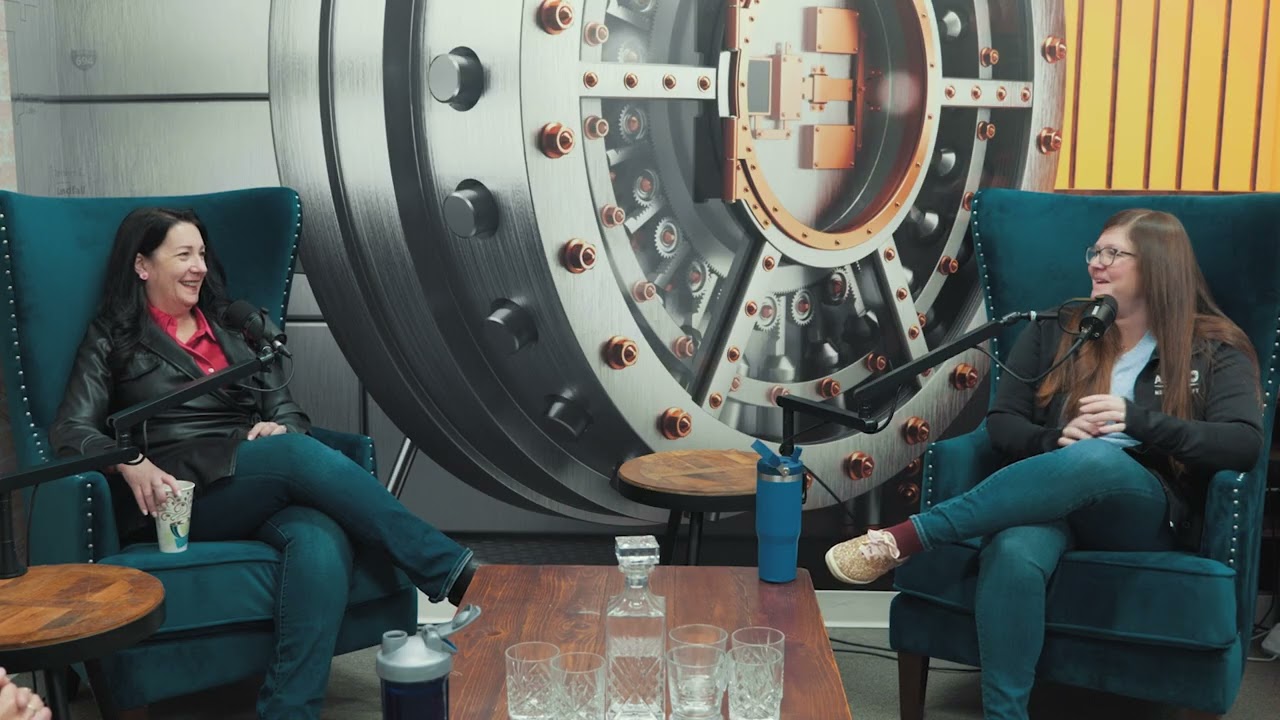
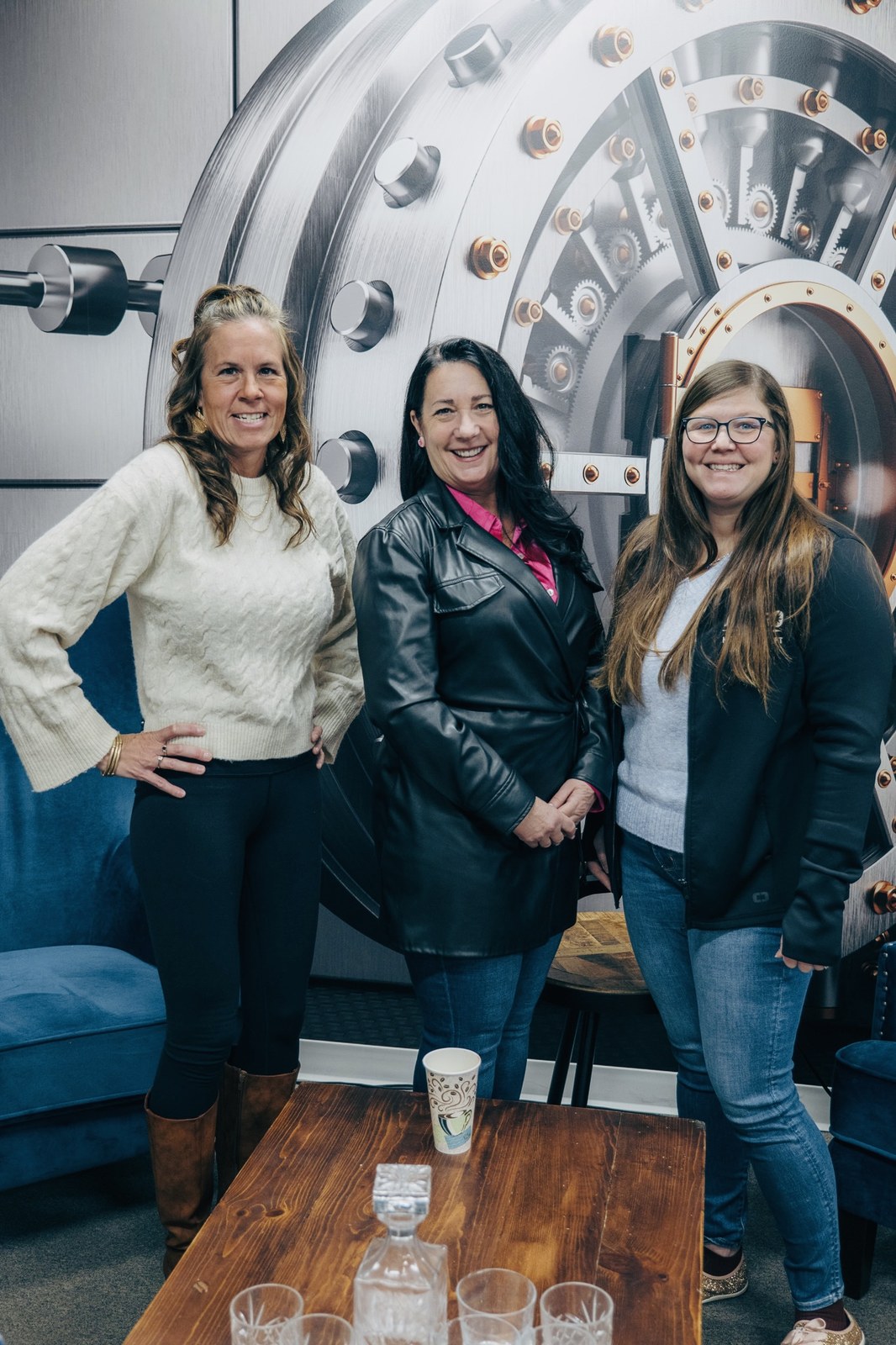
Hi everyone, it's Karissa Dunham. I am your host of Shining Light on Minnesota. Today's going to be an extra fun episode. We are going to be focusing on women in construction. I have two special guests here today. We have Emmy with Astro Metal Craft and we have Lori with Brin Glass. Welcome. Thank you. Yeah, thank you. You bet. So, let's get started a little bit. Let's talk a little bit about when you guys were young. What did you think about construction and did you ever think that you would be in that field? Emmy, we'll start with you. Uh, sure. Uh, when I was a kid, I actually wanted to be a pilot. Nice. Very desperately. Um, and I think I enjoyed flying, but I also really enjoyed being in airports and kind of all the cool things that were happening in the airport and especially like the architecture inside airports. Uh, like MSP is very beautiful and has a lot of really cool things going on. Um, so I think that may be lending itself a little bit, but um, honestly when I went to college, I start I would came from the wedding and event planning business. So kind of took a hard U-turn out of off of there for about 15 years. Um, and ran a wedding uh, planning and floral company and then sold that business in 2023 and now back to back to construction in Astro. So, uh, kind of coming full circle doing a lot of airport work and stuff like that. So, it's kind of fun to get back in that. Very cool. What about you, Lori? I went to college for fashion design. Fashion design was my was my jive. Um, yeah, you know, I I worked at Dayton's. I love Dayton's. I was in advertising and marketing. Uh, and I was going to college at the same time. And boy, I loved it. I loved every part of it. Uh unfortunately like the pay and the longevity of the job retail is just kind of shaky out there. So it is um I had then turned to having relatives that worked for very large insurance agents insurance company rather and u decided to get into the insurance business and that was fun. I did that for 21 years. I always loved the people and I loved the cell. Not always the service and all of it because you you're working with a company that's we'll call it a captive company and it was really tough to try to appease the customer when something did happen. So, uh yeah, I realized that I really wanted to go out there and sell and I I didn't want to be again a captive company. So, um I went out selling glass. I had a really good friend who was in the glass business. Went out selling glass and there's my story. I absolutely love it. I love what I do. Um, every minute of it, love the people. I love the cell. Um, construction aspect. No, I really never thought that I would go that route. Happy that I did though. It's very lucrative for women. And I think we should all be out there. You know, I always try to tease my daughter into she's a teacher and I tried to say, "Oo, you should, you know, construction's a good business, so you might want to think about that someday if you if teaching isn't going to be your thing." Do you guys feel that the younger generation and girls coming up when they think construction always think like hammers and they're going to be building and constructing instead of all the other fields that are out there? Definitely. And I've I actually just heard this at a construction summit that uh they had to actually change the way they were approaching girls at some of these college job fairs and they just think it's the, you know, person who stands on the highway with the sign or it's the person who's hitting the hammer or laying the cement that they have to realize there's so much more involved in it. from project management to estimators uh to to marketing to there's just so many other jobs out there that are involved with the collaboration of of these large projects and large builds. Emmy, you're a young mom. You have kids that are growing up and very very busy in that world. What do your kids talk about when they get older what they want to be? Um well, my a lot of my my two older boys have both said that they one wants to be a construction worker. you said that for a couple years. Um, and then my other son is very into math and science, so he wants to be an engineer. Um, and so we're kind of trying to help. He's very artistic as well. So trying to guide him down the engineering design route. Um, that's something that in our company that we really value is having an engineer that can do the design work, kind of bring it full circle um, within the company. Um, and it's very lucrative for people that are smart enough to do it and um, have that creative side as well. Um, my daughter loves coming to Astro and playing with things and, you know, metal and all that kind of good stuff. I would love if she got interested in welding. Um, there's a huge push for women in welding right now. Um, so I like to, you know, show her videos of stuff like that. And, uh, my youngest is too, so he just kind of is a destructor. kind of whatever you want to do. There you go. Demo is calling. Do you guys find that schools these days don't educate kids on how they're going to use a lot of their assignments and a lot of the things they're using. I know like in in my world, schools are always looking for people in our industry to go out there and like, okay, how are you going to use the math? How are you going to use the science? What do you guys feel for your daughter being a teacher and your kids growing up? I actually think it's getting better, but I did notice that um even my daughter's friends, their initiatives were always medical or teaching. I mean, it was really pretty much or or engineering, but the engineering via more like the construction industry just was not a push, right? They had a raw they just had a a raw feeling about it. they didn't think construction or was looked down upon. Um, but I do believe it's better. Um, I know our recruiters even at our company are going to Duny, those places. They're really going to some of these there's more and more tech high schools out there that are pushing um the construction fields. So, I think it's getting better. I don't believe that we're there at all. We're not we're not where we need to be, but it is getting better. Right. Yeah. I'm kind of excited about the future uh with my my oldest is only in third grade so I don't have a ton of experience on what they're teaching them in the schools but um you know we've kind of laid a foundation for our kids that you know you have the if you have the opportunity to go to college and explore something that you want to be doing like we're going to support you in that but if you don't want to go to college you know we're really supportive of the trade schools and getting it becoming a master of a trade um really pushing that trade first kind of perspective. Um because like you know they're always like we want to make money and all these and it's like you you get a specialty and you can make loads of money and um at Astro we do a partnership with right uh tech or yeah right tech um where we work with their welding programs um to bring in young welders and um that's kind of a bit of our differentiator is we like to have younger welders come in and we have our guys teach them and um really start them off strong um And so I think, like you said, I think it's getting there, but I don't think it's quite there yet. And hopefully by the time my kids get there, it'll be, you know, it's actually sad. I I do go down to um some of these, we're going to call them city colleges. I don't want to plug any names, but I look in some of these these areas in which I know that they've got like the tool and die, things like that, and I just there's nobody in there. There's nobody in these rooms, empty classrooms. These are something because my husband's in that industry. We need to have that. So, I know we're talking construction. We also need to talk more about manufacturing as well. And that is a very lucrative job as well. And we're not pushing it enough out there too. And these again, these teaching programs are empty. And I know my uncle actually taught uh Tul and I at St. Paul College. and he retired because there just really wasn't anyone else signing up for these these uh courses. Mhm. Well, you see all the manufacturing plants that are out there and the push to grow bigger and make more wholesale and do things as they are, but they need the people to be able to work at those facilities. What do you guys see as an industry as a whole as growth coming into 2025? Do you see a lot of growth uh o overall in revenue and and projects? Yeah, you know, we've just seen a spark. Um it just seems like I have no idea if it was the election or really what happened or budgeting or or what's gone on, but really we've seen so many more bid opportunities, so many more projects that are coming up, large, small, medium, all across the board. So, I'm actually feeling really great about 2025 and what's happening so far. We've done well for our numbers already in January. So, just uh yeah, I think there's definitely an upward tick. I do worry about some not to talk politics obviously, but I do worry about some of these tariffs and things like that. Um the kind of ramifications they're going to make on the metal industries, things like that. We need to be really careful how much water we're treading here and how many folks we're disturbing in this industry. But I do see things definitely going in the right direction for 2025. Excitement for sure. Absolutely. What about you, Emmy? In your metal world. Yeah, I agree. Um I feel like the end of 2023 and the beginning of 2024 was a bit of a rough time. Uh but on the architectural side, we've seen a huge upswing in bids and stuff that we've been taking. Um and that, as you know, in the construction world is such a long game of, you know, making bids and waiting for things to come through and all that. So, we're having a lot of stuff hit um this year in 2025. and then also for 2026. And then same for our industrial uh equipment side. We had some customers that were starting to send a lot of work overseas. Um and it's been eye opening for us to really kind of niche down on the work that we're going after. Um, we're very project based, so we do large projects and small projects, but we're definitely getting away from the OEM side where it's just, you know, make as many as you can as fast as you can cuz we're seeing a lot of that work go overseas. Um, and so I think finding that niche of what we're looking for, um, has really helped us this year and we're looking forward to a great kind of takeoff this year and the next year as well. Do either of you or both of you see as you're talking about the overseas, the tariffs, everything like that, that being one of the bigger obstacles that's going to be coming full to head in 2025 or do you think there will be other things as well? Oh, I do believe that's going to be a big obstacle. The labor force is a huge obstacle though. We find ourselves just trying to find people that are good or have experience in the industry or for that matter are trainable. um they're just not out there or yeah, I'm not sure if we're looking in the right places, but we're going across the country. We're going nationwide to find people and we're not finding them. So, it goes back to again trying to get people into these programs and awareness. Um but definitely the labor force is definitely blocking um projects and and things from moving forward as well. Yeah. Uh I know today actually the the tariffs on steel and aluminum are coming through or being announced. Um so we're kind of having a meeting today to kind of discuss what's going on with that and how we're going to approach that. Um so we're just a little bit you know obviously concerned of how it's going to affect the market and everything like that. But I agree at the labor force um you know we have kind of scaled down our operations as far as like cutting excess overhead and so we're focusing on finding the right people to fit the right seats um throughout our entire organization you know from sales all the way down to welding and shop floor. Um and it's been it's been tricky. Um but you know knowing where we're at and where we're where we need to go and finding the right avenues to do so with the trade schools and things like that. Um that's kind of where we've been focusing our efforts as far as finding employees and things like that. Well, we have to realize too if if these tariffs become an issue, it's only going to raise prices out there and consumers don't want to spend that kind of money and projects will become more expensive and it's just going to be a domino effect on everything. Mhm. Do you find that in the labor industry when people come right out of college and or are learning in the trades that they need more education on sales and marketing and how to get out there and brand themselves? Absolutely. I just feel like sales is is not only is something that you just um you just have you just attain, but it's something that you build and grow as well. So, I mean, you can't be an introvert and do well at sales. it's just not going to happen. But I believe that knowing the market and having the personality are really important. Um, and those two factors, just working smart, too. Knowing who knowing how to find the person, knowing how to maybe I'm going off on a tangent here, but knowing how to hunt down the decision maker, get past that gatekeeper and approach them correctly. And, you know, it's not a package sell. It's it's coming from inside. It's having them like you, having them appreciate the product, know the product, um, believe in the product, you believing in the product. There's so many factors involved in sales. Um, it's not just out of college and we're going to throw you out there to to the dogs. It's it's just that's just not the way it is. And yes, there is definitely training, but also some of it's just coming natural. Absolutely. Mhm. What are your thoughts? Yeah, definitely on the sales end just kind of having that natural ability. Um, we also try to be very crossunctional within our teams. Um, so that people are understanding the entire process of how projects get made. Um, we've been going through a bit of a a time right now where we're trying to do it both ways where like not only is the sales team, you know, getting out out on the show floor and understanding how an estimate gets made, you know, what hours are going to take for welding and things like that, and then also trying to bring it back on the other side where the welders are like, well, I'm doing my job and I'm, you know, hitting my hours and like, why are we not seeing more profits off of this? And it's like, well, we have to compete with these other companies that are overseas or they're very small shops and they're, you know, able to off very offer very low prices and, you know, we have to do something different. So, they we're trying to see both sides all across the business. Um, and I think that's been helping us kind of get a a little bit of a competitive edge of like, okay, we know how things are getting made. We know the process. This is what we can do better. This is what we can offer. Yeah. Sometimes in the industry, you don't want to be that lowest one, but you also don't want to be the highest one either, right? But you have a company and you have a name that you stand behind. So, you have to be that person, that company that says, "I'm okay not being the lowest one because you have me. You have our company to stand behind you." Who in the industry when you guys were growing up or even now do you look towards or who have been some of your role models in the industry or people that have guided you and helped you along the way? Well, it's actually funny. My husband actually when I first met him, he was a laborer for a maf. Nice. So, I guess it it just helped me understand that construction was more than just nailing hammers and standing with with your uh traffic signs. So, I I understood at that point how much more it was. And just growing up in a family where my dad was also in the tool and die business, which then my husband migrated that direction, but just understanding how important that is. And I guess you could say they were role models to me. Um my entire family, you know, working at uh as well, working at Anderson Windows and uh designing and developing and manufacturing windows. A lot of that just helped me understand that there was so much more out here than um than fashion design. So um I guess you could say they were somewhat of a role model for me as well. Nice. Just my family in general. Good. Yeah. kind of to echo that um our we actually bought my husband and I bought Astro from his parents. Um and so I've found quite a bit of a role model in especially in my mother-in-law who kind of had to come in and figure out the business, take over the business. She ran it um for 20 years and had was a womanowned business owner um in the metal industry. And so, you know, we go to them quite often for, you know, their thoughts on what's going on and how how can you help us and um so that's always been an inspiration to me is kind of how she did it. And then um I just find a lot of inspiration on people that I meet like through groups and LinkedIn and things like that like um there's a lot of like women metal influencers out there which I like have been following and um just the different groups within you know nationally and locally. um have found quite a few um connections through that and um have really enjoyed that sort of spirit and that connection bringing especially women together. As a mom from both of you, what's the best piece of advice that you have been given to handle work life, personal life balance, things like that if there is a real thing? Yeah. You know, and it's funny when my daughter was younger, a little bit different generation than you, you had to make it work. I mean, it was precoid, so there wasn't the work from home aspect at all. It didn't matter if your job start at 7 a.m. That's when you got into the office. You had to figure out how to get your child to daycare beforehand or when you received that call from daycare getting your your child that has a now has a fever and you had to try to make it work out. And again, back in, you know, further back, the things weren't as flexible as they are now. And now I think things have changed. so much the ability to work from home, the ability to well, you know what, I have that appointment, so now I'm going to work an extra hour, so much flexibility now. I really can appreciate it. Uh I know people say that CO was rough on everybody, but I really think when it it changed a lot with the work environment for being more family friendly and there's so much I I go and see some customers that they have dogs running around. I love that dogs will greet me on the counter. Not to say, but they're our family, too. So just trying to make everything work out. I think things have changed for the better and that aspect that really a lot of familyfriendly policies uh have worked themselves out to try to make it all work out. Um and even more more things on volunteering in your classrooms and uh compensation for that at at your workplace or work and I think things have changed. Bring your child to work days. Bring your child bring your dog to work. I don't know. you know, they it's it's really help it's really changed a lot and I I appreciate the change to make things work for your family and and work. So, yeah, there's I think there's a lot better variation now and a lot better balance, if you can say that, than there used to be. Yeah. Yeah. I think that the the flexibility that I appreciate as far as uh you know have owning the business um it's much easier I feel like for me to be able to okay I've got to go get the kids and bring them in and uh but we have a very open door policy at our company as well where it's like bring your kids in we've got a kids corner like we'll get you taken care of like what can we do to make sure that you guys are here and we're here and um and then the balance yeah you do your best to balance but you know I'm up and working before the kids get up and then get the kids all off, go to work, come home and get them all set and then working some more before going to bed. And um you know, I I don't love the term work life balance cuz I just don't really feel like it's real, right? So, you know, I've just we all do the best that we can. Yeah. Make the best of it. Yeah. Have you seen or do you think in the future more people getting back to work will help bring more families in or do you think that the industry will slow down a little bit or what do you feel with that? I've actually seen some larger com I don't disagree that we should head back to work. I don't disagree. Maybe it shouldn't be completely 5 days a week which I know that these larger companies are trying to just do a couple days a week. Um, but I do know some folks that had that nice, comfortable, relaxing experience of being at home are now retiring if they have to go back or they're leaving that job. So, I don't have the answer for that, but I I personally feel like we should go back a couple days. Um, you know, we've got these large buildings out there that they we're having lease issues and space issues and vacancy issues and it is causing I mean, they have to realize on their on the outside of themselves in general, it's causing problems for sure. It's causing problems in our marketplace and uh companies are going to have to figure out what they're going to do selling buildings or whatever. So if there's some type of you know folks in those I don't know the right term but going back a little bit is going to be helpful the hybrid aspect of it. Um I think that there's some push back though. So that's that's my opinion. Mhm. I feel that I've noticed being out and about a lot of the highrises or the empty buildings are turning into hybrid workstations which are a lot of fun. putting computers on carts and making more cafe rooms and more break rooms and fun things for people to do when they are there so the stress isn't always there. So, if you want to come in on a Monday and Wednesday this week or Tuesday and Thursday next week, that's a great option for places. They're trying to make it really appealing to their um employees. And yeah, anything that they can do, any type of specialty. Uh I was just at a tour of a larger company that they didn't have office spaces per se. It was just kind of more the wide open of, you know, you want to sit here in this barrel chair and be in front of the fireplace and work or you can be looking out the window at the cafe area or just trying to make it real user friendly for these um employees to come back to work. Yeah, I think that's the way. It definitely is the way to do that. What do you see for the empty buildings that are just sitting empty? Do you think that they're going to turn more into like apartment leases because we're running out of room or do you think that they're going to totally transform or they're going to rip them down? What do you think the industry is going to turn towards? I think there's a definite need for more housing. Yeah. Um so that's kind of where I see it uh going and turning into, you know, single family home single family units and things like that. Um yeah, I don't know what else. Yeah, I actually see them tearing down. And there's some projects on West End and I say they're going to tear down some buildings and it's it's alarming, but we all know in the construction industry that sometimes you can't fix some of these older buildings and they're they're just they're long gone. They're far gone. There's no ability to go back and fix some of the things that are actually happening to them. So, the only other alternative is to tear it down and build something new. Yeah, we're actually we're seeing um a little bit of work coming in um as far as like restorations for a lot of like balconies um and guardrails and things like that. So, these are like very very old buildings that they do want to keep up. Um you know, we're able to come in and help with the restorations of the balcony units and guardrails and different systems within the building. So, that's kind of been a a little pocket of business for us that we've been looking into. Um which has been nice. Nice. We're definitely getting a lot of um bid opportunities in the Minneapolis and St. Paul, the downtown areas for just these new buildouts or I should say buildouts on existing buildings to make them more, you know, lease friendly. And I was just in a building downtown Minneapolis. There's a pickle ball court in the middle of the building. I love it. I unfortunately I don't know that I'd work. I'd be down there all the time, but that could be work. What a great attractive feature to have. So there's really definitely a lot of options and ideas that they're coming up with in these buildings to bring people in. Let's pivot a little bit. Let's talk about objections and overcoming object objections in your industry. Emmy, what's been your biggest objection and how have you overcome it? Biggest objection. Uh I guess can you clarify like objection? Has there been anything in your workload that you've seen that has come up that's been really difficult for you to as a company oversee and how how have you gone about and made a difference? Sure. Um well, like I kind of mentioned earlier on, uh we had quite a bit of uh push back in the past year or so with some companies um trying to take their work overseas and really trying to cut down on their costs and not seeing the benefit of having Americanmade manufacturing. And um what's been interesting is that for a couple of those companies that have done that, they try to take their work over to India and they have no idea what they're doing. And really it's very complicated metal work in some cases. And so they're they're then finding that these guys can't do the work and are now coming back saying actually we do need your help. We need you to build this stuff again. And it's like okay that's great. we're here to help, but like this this was a huge transition for us of you guys being a a big customer and then you're leaving and now you're back. Like we really need to set some ground rules of how this relationship is going to work. Um so that's happened um on more than one occasion in our line of work and it's been an interesting thing to watch um and kind of see just kind of sit back and watch it all play out. Yeah. Yeah. and be able to be patient to have those guys come back and be like, "No, we you know, we really appreciate the quality that you put in um and the craft craftsmanship in your work." And that's important to us. And we want to be clear with our customers that that's what we do. We do quality work. We're not here to be the fastest and the cheapest like we do fast and, you know, economical work, but we're here for the quality. and we want to show that and um be a partner and not just a broker in your purchasing. Lori, you're out on the sales world a little bit. Let's talk about the daily grind and how that can get to be a lot, especially when you're planting those seeds every day, not seeing numbers fall through. You're just kind of always constantly planting those seeds. What have been some objections that you've come across out there in the in sales world and how difficult has it been? Well, a lot of times even some of these larger projects can you can work really hard to visit architects, visit engineering firms, visit the general contractors, have a really great relationship with them, work really hard and put your effort into this particular project that might be coming up and all of a sudden it gets put on hold. Yeah. Or it gets revised and pushed forward a little bit or pushed back a little bit. Um, lots of things can happen on these larger projects. Uh, quite honestly, our company probably does better on maybe the short hits sometimes, which sounds like a cheap phrase, but meaning these downtown, these buildouts where maybe a small general contractor, not smaller, but a focused tenant improvement contractor will need a project complete in 3 weeks. Those are times where you're it's relationship driven and you've got a great relationship and they want to use you and those are the kind of things that actually happen quickly and are are good and beneficial and profitable for the company. Um, also our service division 24 hours a day we're running out there to fix somebody who drove in the front of their building or somebody who had there was a breakin. So some of those are great. They're relationship driven. So, you've got the relationship with with that property manager or with that school or that college and they need you out there right now and you're taking care of business for them. And again, the time to improvement is great. Sometimes the contract, the objection is again those projects get moved around. Um, or for that matter, some of these school projects are low bid and like we've said before, we're not going to be the cheapest because we don't want to be. We don't want to give you a cheap product. We want to give you quality. We don't want to have to come out there again and fix something that wasn't done correctly. That's not the way we operate. We give you good quality the first time around. We give you union glazers. We do it right the first time. So, objections working hard on a project and then realizing it just got put on hold. Yeah. Or they went the lowest bid possible and we weren't we were second to low or we were, you know, third on the list or and they weren't necessarily, you know, was tax dollars and they weren't going to go with um the person who was quality. They just wanted the cheapest price and that happens often out here. So, yeah. Yeah. And I think that goes back to like as you're talking about building relationships and building that trust, like you're we're trying to find partners in construction and within the industry. We're not looking to just give you quotes so that you can find the lowest person. Um, you know, we really value finding the companies that, you know, care about what we do and care about how we install and do everything like that and are going to trust us to get it done right and not necessarily um, you know, whatever's at the bottom, that's what we're going to take. So, it goes back to that trust. It's always interesting too when sometimes I hear back from these uh project managers or these estimators at these large general contractors and they're so sad and so upset because they had to take low bid and they look over at me and go oh Lori what are we going to do please help me and I said my hands are tied you know I want to work with you oh at that point what I do offer is my advice you know let's have lunch let's just talk about this let's see what short files you're coming into let's see where we can where we can help you with this or what we might be able to do in the future. Sometimes there's apples, too. Sometimes there's never anything more you can do, but just telling them that you'll be there for them. And quite honestly, you might be there for that next project then. They might not be working a low bid type public bidding project. It might be something different and you've gained that relationship with them. So yeah, and that's kind of an issue too within the larger companies is that sometimes the engineering team or the estimating team um are not the final decision makers and the purchasing team is like well they don't have the relationship with you. They just want to get the lowest bid whereas these people that you're working with trying to get the right answers and they know what your quality is. you know, they're trying to advocate for you, but sometimes it's just not enough. And it's like, okay, but who do we find out the purchasers are? Because they're always like hidden in these big companies like who is actually making the decisions so that we can show them that no, you really want to go with us because this is going to be the smart for move for you in the long run, not just and I feel like so many times these associations that we're part of or this these networking groups, that's really that's really where it's at. Um that's where they see you. They see more of you than just the number. Yeah. And I think that's a a really important aspect to be part of these groups and construction associations and NWICK and all these places where you gain a great relationship and a partnership with these other folks and in the industry whether it's plumbing or electrical or roofing and they know you for who you are and what you can provide. Outside of the associations, what are some ways that you stay in front of some of the contractors and some of the other people? Uh, well, you know, we do meet and greets. Um, I like to take folks to lunch. That's always a fun thing. I, again, so many times I don't even want to talk about the industry. I just want to I just want to see who they are and I want them to see who I am, have a fun conversation with them. We do meet and greets. My customers love crumble cookies. plug for those guys. But um they're definitely a positive factor when you go on in. Um you know, just sales calls, just popping in, saying hello, dropping off some of our material. People don't believe that that cold call works or there's some folks out there that don't believe it works, but you don't know how many times I've received a call from somebody that said, "Hey, you stopped in. I missed you. I wanted to say hi to you. I wasn't around. I was in a meeting or I was was here. But you know what? I have a big project for you. Y it a couple weeks ago I had three emails like that to say I have a big project for you. Can you guys send an estimator out here to take a look at this for It happens. It happens more often than people think. Right. Yeah. Totally. Yeah. We do a lot of meet and greets as well. Um and we just got certified to do our lunch and learn through AIA. So, uh we've been racketing up. um getting in with some larger architectural firms. Um and that's been a little bit tricky for us. Um the the overall architectural industry has been very welcoming and yeah, come on in and you show us your stuff and everything like that, but there's been some larger firms where, you know, that's really where where we want to be doing larger projects because of what we're doing and um we just couldn't get in the door just doing meet and greets or just stopping by or anything like that. So now having kind of the next [ __ ] in our armor to be able to say, "Oh no, we got to lunch and learn. You know, it's on guardrail safety. Like we want to keep you safe." Yeah. So let us come in and teach you about that. So that's been kind of a big thing for us. And then um I know it gets annoying for a lot of people. We do a lot of email marketing. Um you know, not only just like blasting kind of stuff where, you know, we're talking about our blogs and our different products and things, but doing specialized targeted emails. Um, that's been uh very beneficial for us as well where it's like the same thing like I'll send an email, you know, a couple months and then we'll get a a request for bid from a company that it's like, "Oh yeah, I sent those guys a bunch of emails like never heard back from them, but now they're all coming back saying, "Hey, you know, I remember that you guys did this." Um, you know, we've got this big project bid. So, email them. We have a newsletter that we that we blast out to people. And I've actually heard comments that they appreciate seeing that and they'll say, "Hey, you had an anniversary." Or, "I I saw the picture of that person that I'm dealing with all the time and I never knew what they look like." Or, "Wow, that's great you guys went to. There was a big volunteer effort here." Or, "What a great, you know, summer get together you had or how much fun your company has." So, they like to see that. They like that personal effect. Totally. Do you guys believe in doing a lot of volunteer work or what kind of volunteer work do you guys do? Well, actually since my daughter's a teacher, I love to go in her classroom when I can. Yeah, definitely fun. Of course, teachers never have enough help. What grade does she do? She is a kindergarten teacher. Oh, fun. Yeah. So, she's got 22 little 5-year-olds driving her crazy. Yeah. So, no, I love to do that. Um, we always have a Second Harvest deal going on, a Feed My Starving Children. We're always doing uh anything from collection for seniors to collection for pet groups. So, we're always having fun with that. We always try to get ourselves involved at our company. We'd even like to do more, but sometimes it's just hard to get a lot of involvement after hours. So, yeah, definitely. It's um it's tricky as a business owner when uh everybody has a cause and there's so much I mean there's so much a plethora of endless amount of things that you could be doing or helping and things like that. So at Astro we really try to focus on the things that we can specifically do to help. Um, so an example is, uh, a couple years ago we helped, uh, there's a local BMX track in our, um, community and they were getting ready for a big national race and they needed to do some improvements on their track and so we were able to come in and help make a really nice railing system to go around their track and um, so that was kind of our way of like giving back to our community and things like that. So we do stuff like that. we do part of our local festivals um in our three three locations that we have um and just try to make it specific to what we can bring as a metal fabricator to help the people. Let's we're going to pivot again. Let's talk about outside of work. What are some things that you like to do? Cuz I know it's healthy and important. Everybody has their little niche things that they like to do. I play golf. I like to fish. I have kids. Obviously, that's kids are kids. But what are some things that you like to do outside of work, Lori? Well, when it's nice and cold outside, I find myself doing indoor things. So, uh I was just showing Chris this morning. I love to if if I've got a piece of furniture and I don't like it anymore, I'm going to change it. And if it means sanding the designer in you, right? I know, right? Oh my goodness. Yeah. I uh you know, I'll my poor husband, so he's more of the labor aspect of it all. And he doesn't usually he's not the visionary like I am. and I'll be like, "Let's add those lights. They're gone. Let's get the they're done. They're out of here." And he's like, "What did I?" Yep. Got them. They're in the boxes. Amazon. We're going to put those up this weekend. Or again, um just constantly wanting to remodel and make sure my home is comfortable and great. I mean, possibly if I lived in Florida and I was outside a lot, I might not be putting as much effort towards it, but I want it to be warm and welcoming and up to-date. So, I'm always having some idea of, you know what, I'm going to sand down that table and I'm going to redo that or um I was accent wall. I was accent I did an accent wall where um ordered up some great trim on Amazon and it was disgustingly cheap. So, we did some great Yeah, this great feature wall for my team's meetings and um yeah, I look forward to my next project and I'm always standing somewhere in the house going, you know what? I'm going to fix that. If I have to sand that floor down and restain that, I I have no problem doing it myself. Um, a couple years ago, I did a stacked rock wall on behind a wet bar. I had asked my husband to do it. He was too busy. So, I said, "Out of the way. Out of the way." You know, set up the the tile saw and I was going to town and, you know, junk dripping down my arms. But he took a picture of it later on. He's like, "I just show the guys from work. you did this this weekend and it looks amazing and I'm like, "Oh, yeah, that was me." That's me. Yep. If he's not going to do it, I will do it. Fun. So, yeah. Yeah. What about you? Uh, yeah. Having a lot of kids, doing a lot of kid things. Um, but I also I'm a volleyball player, so um I play indoor and outdoor volleyball. Um, that's actually how my husband and I met. Um, so we kind of make a commitment to continue to play with each other um, once a week um, pretty much throughout the whole year, which has been really great for our relationship to kind of get away from the kids and it's like a set date night no matter what. Um, I recently had back surgery, so that I took me out for a couple of months and um, getting back to it has been really really enjoyable and helpful in that work life balance or whatever. Yeah. And then uh, I my guilty pleasure is um, General Hospital. I'm obsessed with it. Go back to the soap operas. We absolutely love pickle ball. We are a pickle ball family. And every time we drive by the municipal courts in Lino Lakes, we go, "Oh, I can't wait till the snow melts so we can get back out there and play pickle ball." And it's was just it's just nothing for my daughter and I right after dinner to go get the paddle. We're we're headed down there. We're playing pickle ball tonight. Well, there's so many indoor pickle ball courts that are close now. pickle ball courts, you have golf simulators, you have all this indoor stuff because we're a winter half a year we have to spend indoors, so we have to find stuff to do. Do you play a lot of indoor volleyball or do you play a lot of outdoor volleyball? Yep. All year round. Yep. So, play on a a women's team and then also a co-ed team um for indoor and for sand. Um so, it's really fun. What do you guys see as far as growth in the future and where you're going to go, what you're going to do in the in the glass industry? And what kind of advice would you give yourself as far as keep moving and keep growing? And with all the AI changes, things like that, too. How how do you stay one up? You know, AI is great. I don't know if it's something that's really an initiative for me, right? And the aspect that I'm personal and that's computerized. You know, I I know I have to conform. You have to you have to always change with what's happening. I get that and I understand that and I'm I'm fine with that. Um but AI I don't know that that's going to help me out a ton in this world. Um where do I see myself going? Just continuing to make our company profitable. Continuing to find out about those new exciting projects. Uh and continuing to be ahead of the game. and when I find out about them, you know, researching and getting more information and getting in front of the people and letting them know that I want to be a part of those projects. Um, and we were talking about I think again an objective for um was labor force was really tough on us and what I see now is we're filling in some of those places uh and our service division is really cranking up. But what happened when we had labor forces as low, we were pushing off some of the work, which is just the way it is. But now I want to make sure that that work continues to come back to us, right? Um, but yeah, that's where I see us. I just I want us to just have a killer year just to really go above and beyond our goals and our aspirations and really now with a we had some people even out on a medical leave. So now I look at it this way. We've got people in the right places and they've got the forward momentum. Let's keep going that route and let's surpass what's expected of us. Absolutely. Yeah, we're um we're doing a really big push to continue to grow our architectural division. Um really going hard with our lunch and learns um and connecting with architects and getting in more in the architectural level. We kind of have like three different tiers that we work off of. it's the architects and then we are working with the G GC's in certain projects and then at the last level it's other fabricators where we're doing we have unique capabilities that some other fabricators don't that we're able to help each other with. Um so we're doing a big push for that. Uh we're also uh in the coming year we're doing uh more of a focus on our design and engineering work and kind of the intangible services that we have. Um that's not just the fabricating and the welding and the assembly. Um so we actually uh started as Astroengineering and manufacturing and then um probably like 10 years ago we switched to Astro Metalcraft and it's funny because now we're kind of shifting back into the engineering side and it's like oh man should we change your name back? But um we're really focusing on that engineering design process and how we can help other fabricators and other contractors and things. um start from concept to completion like we want to be there for you. We can help on the project management side um doing more of the service-based uh part of projects as well. Do you feel that collaborating with other like companies is important in this day and age because you can get work from them, they can get work from you that they might be too busy or they might not be able to do it. I think it's important to have that person to go to and they appreciate you, you know, in the end as well. So if we have to push a smaller project off or you just something that we just can't quite get to, they understand and they they understand that relationship that when it comes back around again, we're the important one and that that customer was initially ours and they respect that. So it's great to have those relationships out there and have those people that you can trust in that we might call and say, "Hey, we're we're just completely swamped. Would you mind taking care of this?" And the funny thing is on our market is generally that that other glass company is probably buying from our fabrication facility. So in the end they're kind of it's kind of a circle of a friendship and of a relationship and of a referral and it kind of comes right back around to us. But it is really important to have those relationships with folks and um know that you can trust them by them helping you out and in the end they're not stealing that business from you. Right. Yeah. We're the same way. You got to have trust in your partners and being able to share work when you can. Um, and just having those relationships of who you can trust to get the work done. Um, you know, in I don't know how it is in the glass industry, but in the metal industry, like there's literally a metal fab shop in about every town in America, like at least in the Midwest. So there's a lot of options to go through and uh to build that trust with our customers and say we can get the job done well and we can do this and then we have if we don't have capacity to do that we have partners that we work with that we know at some of these other shops that we can get the work done as well and still have that good quality. Um so just maintaining that trust. It's all about trust. Great. Yeah. Well, I appreciate having you guys on today. last bit of advice that you could give for younger women in the industry that are trying to get their feet in and just starting to get out there, what would you tell them? Be open-minded. Um, and actually maybe job shadow with folks. Give people give people a call that are in the industry. Utilize your family and friends and say, "Hey, you know what? You're an engineer, but but you work for a large construction company. Can I come on the job with you?" So many of these high schools and or colleges, they promote that. Look around, find what you want. You have to be happy with what you do for a living. You also want to be financially set as as well. Um, but look around and and don't just be set on, you know what, I want to do this in the medical profession because everybody's doing this and this is where the money's at. Be open-minded about everything that's out there and available. and any of these large GCs to have internship um projects. Be try to become an intern for some of these larger GCs. See what kind of jobs are out there. See what kind of roles they have in in their industry. Just be open-minded. Yeah, I echo that and just say uh just go for it. like don't be afraid to go to networking events or to reach out to someone. Um, you know, especially other women. Um, like I feel like in this community there is so many women. I I've never come across a woman that was like, I don't have time to talk to you. I'm sorry. Like we're all here to help each other and bring each other up. Um, so just, you know, send an email, see what happens. Go to an event, try to talk to somebody. Just put yourself out there. And there's so many scholarships available, too. Totally. It's crazy. You just don't know what you're gonna find when you put yourself out there like that. So, just just go for it. It's it's not as scary as it as it seems. Like maybe in the beginning, but you just There's a lot of great women role models, too. You're not going to be in an industry where you go in for an internship and it's all males. It's just not going to happen that way. You're going to realize that there are a lot of women in these roles and they're going to take you under their wing and and show you great opportunities for you. Yep. And the women have had the background. they've had the they've been in the industry. They are in the position they're in because it's earned, not just given because of who they are. So, how can people reach out to you guys if they want to follow you or job shadow you or just find out more about your companies? They can reach out to me. Um, I suppose I could provide an email to you over over this, but um, very wide open for even a drive around or follow come with me to a an association event and I can introduce you to people in the industry or have lunch or just have lunch anything like that. I don't know if Chris is going to post our email and our phone numbers. We sure can. Oh, we can sure do that. But yeah, reach out. I would love to have lunch with you, coffee with you. Uh, yeah. Again, these associations, these events are so wide open. They're so welcoming. They would love to have you there to show you what's out there. Uh whether even whether it's a property manager for one of these large uh companies, these large buildings, or for that matter, the the uh general contractors, um they would love to have you there to see what they do. Well, a nice plug. A lot of the associations are really starting to work together to come together to do events, too. I know we were just at one where there were three different associations that all came together to pull a bunch of estimators together and to pull all the companies together and it was fun to see instead of everybody kind of neck andneck for the jobs that are out there, they're all just talking about their families and they're collaborating and they're standing around having a good time laughing and or giving advice about I'm really stressed. This is a lot of big workload or jobs that are coming up. It was just it's fun to see everybody come together as a whole. That was a great event. Definitely. Um, lots of opportunity there. Uh, sometimes it's hard to get the right person at the right company. These types of events, these are the right people. These are the people that are going to make decisions on quotes that come in. They're going to make decisions on projects. And it was great to just be in front of them and show them who you are because you might not be able to get that one- on-one uh meeting with that person and there it was right in front of you. Right. Good opportunities. Yes. Totally. Well, we appreciate having both of you on and we look forward to the future and seeing where Astro grows in the glass world, the metal world, everything like that. And if anybody does want to get in touch with either Lori or Emmy or myself, please reach out. We are here. Hope you all have a great week and we'll see you next time.