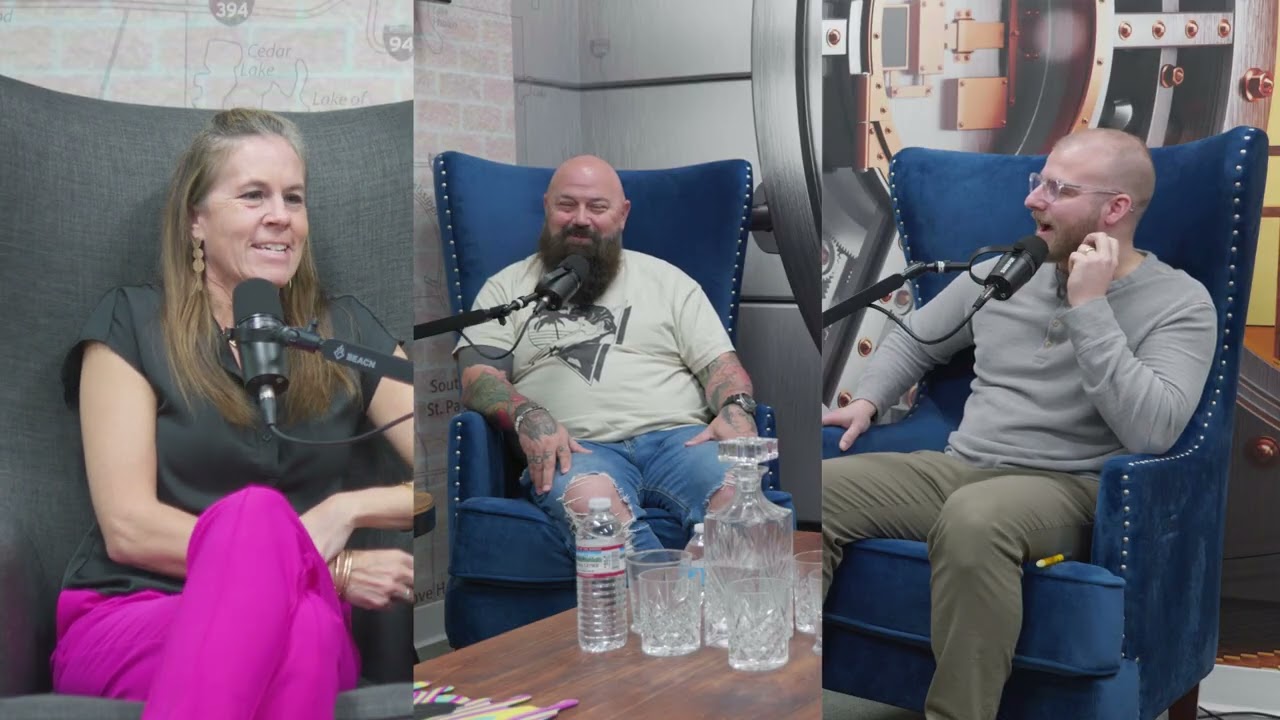
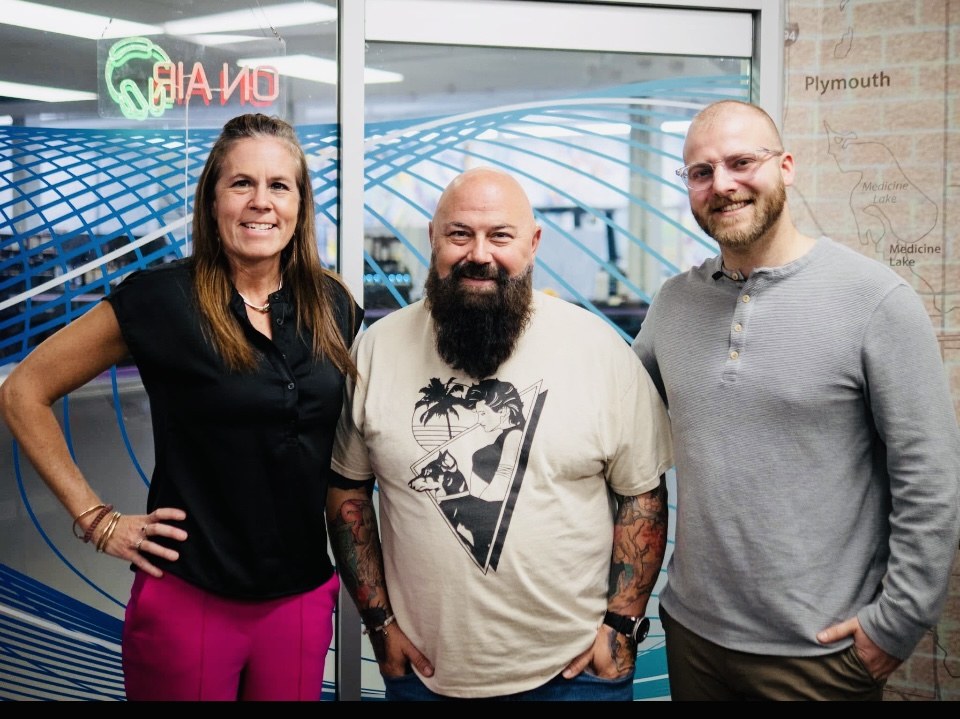
Hello everyone. I'm Karissa Dunham. I am on the Shining Light podcast. We have a very purposeful guest here today with us, Brian Ingram. Welcome, Brian. Thanks for having me. And we have another special co-host, John. Welcome, John. Hello, everyone. Thank you, John. Let's get started. Let's I know you have some questions to ask and let's roll. All right. Awesome. Well, Brian, again, thanks for being here. And, um, just wanted to ask you, you know, kind of for our audience, you know, I know you've had different opportunities to probably put this out, but, you know, for our audience in particular, wanted to just ask you, okay, you you run purpose-driven restaurants. Yeah. What was your upbringing and relationship with food? Like, has it always been a part of your life and like a love for you or what does that look like? It's been my love language, I think, since birth. Uh, so I grew up in Alaska and my mom was uh a single mom for a lot of my life and working in um offices and then she bought a really randown liquor store when I was a kid. And the only time I could ever really talk to my mom is if I would call her and say, "Hey, I made lunch or I made dinner. I think I made my first Thanksgiving dinner when I was 12 using nothing but the finest Tupperware." And uh called my mom and said, "You got to come home for dinner." So, it was really always how I communicated and I was a terrible student. So, my mom got me in a program when I was 14 where I would go to a normal school for a few hours a day and then I would do an apprenticeship and uh just really started my love of cooking from a really young age. Wow. So, what was your first Thanksgiving meal that you made? Do you remember? I don't even remember. It's funny. I I see the pictures cuz I'll look back and uh I was recently going through some photo albums. I I just wrote a book called Faith of a Line Cook and um I was looking for some of those photos and I just remember seeing I'm color blind but I think there were greens and yellows and tubware and it was I'm sure it was terrible. It was mashed potatoes and stuffing and turkey and kind of all the usual but I'm sure it probably didn't taste good but I'm sure my mom probably just motored through it. Yep. And there's there's kind of two things I want to touch on too from there of like okay seems like entrepreneurship and running a business was something that was in your family in your life right away from a young age. Yeah. apprenticeship program, right? And I think that's something we don't hear about a lot, but we're we're hear especially my generation is hearing a lot more like, okay, yet if you go to school and do the typical university track, you're going to end up not getting a job as soon as someone who doesn't go to school and goes to electrician school. What? What trades? Right. Exactly. So, is that something you like have kind of taken into your life and like you encourage? I highly recommend so many people will say I want to be a chef or I want to own a restaurant and never actually worked in a restaurant to understand what the grind is and uh restaurants aren't for the faint of heart. Um you work holidays and all the times when you're a lot of people are with family uh in a restaurant, you're in those restaurants. Those are the busy days for you. Uh, so it was funny when I when I was coming up in this business, when somebody would show up with their culinary degree, you would just be like, "Oh man, boy, this isn't going to work out well." Uh, cuz so many people will will learn some of the basics of cooking, but they've never been in a kitchen and you got a hundred tickets with all these orders and you got a full dining room and they're like, "Dear in the headlights, what do what do I even do?" And how do you It's one thing when you're sitting in a classroom and you make a cake or you make a pasta when you have 300 orders that have to be out in the next 20 minutes and guests are unforgiving. I mean restaurants, what other industry do somebody immediately go online even while they're in your restaurant and tell you how great you are or how bad you suck. So yeah. Wow. Okay. the having done some hospitality work before I'm curious like what your take is on that sort of like I feel like people in hospitality the ones who stick around especially there kind of becomes this like adrenaline junkie type thing where it's like okay I want the rush I want so that cuz then I'm like working on all four cylinders you know that type of thing. Yeah. So, it's for sure it's real and I think that's even why you see so much um addiction and mental health in restaurants because you have these highest of highs and uh I equate it to like almost like um just other jobs where you could have these adrenaline highs be it in the military or police like for us it's on a different level. I mean, it's nobody's life is in danger, but you'll you'll just go through those super highs and then at the end of the shift, there's typically a shift drink in restaurants and they bring over to the kitchen, they bring over shots of tequila and everybody's trying to come back down. And then so many times in restaurants, all the team goes out and they'll have a drink and they'll talk about what happened that night, the good, the bad, and the ugly. Yeah. Um, so it really is uh you you do get addicted to those adrenaline rushes for sure. And no, sorry, go ahead. Go ahead. I was just going to say, so when those times happen with some of your employees and being some of your your restaurants are kind of have more faith base to them, things like that. How does that equate and how do you help pull in through those difficult times? So in in 2019 when Sarah and I started Purpose Restaurants, we um we met with lots of different folks. We wanted to be safe, inclusive, and all these things that so many restaurants um weren't. Uh as I was coming up, um we don't allow any drinking in our restaurants from any of our staff. Sarah and I don't drink in any of our restaurants. Uh so we just we have so many people that are in recovery within our restaurants and we want them not to have that pressure of we're all doing after shift cocktails. So yeah, we um we we try to go a different way and for sure we want to talk and and have that. The best part about I found my community when I went to work in restaurants. I found people that um were more like me and uh and I think so many times in restaurants we're like this rag tag group of um individuals and we spend holidays together and Christmases together cuz a lot of times ours are at different hours. Yes. So it's such a family thing. So, for us, that's really what we've tried to cultivate, that we're a family and we're all in this together and uh we support each other in those ways as opposed to we're going to have five shots of tequila and make bad decisions, which you see a lot of times when you're sitting down at a bar, the bartender's like, "One for you, one for me." Like, that's just what it is. And by the end of the night, you don't know. Yeah. And I think one thing too that so you mentioned, right, like, okay, we're you consider yourselves family and whatnot, right? And you'll hear, I mean, right, I'm just thinking like shows like The Office or what Michael Scott's like, "We're a family here." And everyone's kind of like, "Yeah." You know, but like clearly and just from like conversations with our like teammates and stuff. They we've all had some pretty distinctive experiences. Yeah. At your purpose- driven restaurants, like doesn't matter which one, like we've all kind of had a distinct experience. So clearly there's a culture that you've cultivated there where there's something real to that. There's actually something very Yeah. tangible about that. So, um I I'm curious like how you actually went about cultivating that culture. Like that's not something anyone like everyone can do. Yeah. So many restaurants or even businesses, they'll have their their company motto and their tagline, but then they don't live it out. Uh so you just lose um any credibility you might have. And I think our restaurants get to see us live it out day in and day out. And in all of our restaurants, we do these hope and prayer cards that are on every table. And those um are for sure one thing that Sarah and I will pray over those cards. But that's also how we interact with our community. And early on when we opened our our First Hope, uh we had a young lady that somebody came in and filled out she worked the drive-thru at the McDonald's right up the street from us and just said she recently lost her son. She has no way to pay for this funeral. and I grabbed one of our team members, Jeremy, and we went to the McDonald's and uh we gave her a check for $5,000 to help pay for a funeral at the drive-thru. And I think just through co and hundreds of thousands of meals that we gave out, so many of our team members get to see that every day. So, at the Gnome, every Tuesday and Thursday, face to face comes and uh pick up hundreds of meals for homeless youth in our community. Uh at all of our restaurants. Unfortunately, over the last few years, we've had to donate 100% of the sales. I think we're up to seven funerals for young kids hit by random gunfire. Uh the Burnsville police officers that we gave 100% of the sales out of the Woodbury uh hope. Uh the apostle for the officer in Minneapolis that was killed. Um so I think our team gets to see us live it out, not just talk about it. And um we we've supported several members of of our own team through addiction and mental health and uh and helping um pay those uh kind of astronomical fees that uh sometimes those look like. So I think that makes it much easier when your culture it's one thing to talk about it but they get to see us live it out every day. Beautiful. How difficult was it? Cuz when you started off, you were more in like the corporate, the MGM world. Going from that to now my wife and I own these restaurants. We're doing it on our own. We're making it our own. You kind of can pick and choose, I'm sure, what what you like, what you didn't like from being in kind of the corporate America style. Yeah. I I'd say the best thing I got, so I I lived in this corporate world for such a long life. So many times you see these restaurants come and go and fail. Uh because so many times chefs like me don't understand the business of restaurants, right? It's one thing to be able to know how to cook. It's a whole different level to know how to run a business uh and make it profitable and sign leases and don't do predatory lending. Uh so I I think that's what I really loved about my corporate life is I got to understand the economics and how that works. What I didn't like is a lot of times people were treated like commodities and uh we would buy and sell restaurants to one of the groups. I mean I went around Wall Street and got paraded around like a dancing chicken and here's Brian, Chef Brian, he's had some good success. Lend us a million dollars or lend us $10 million. Let us buy our name. Yeah. Um and that felt very soul sucking. Uh so for me uh doing this purpose restaurants and really the year before we opened I tell this story a lot in my corporate life. Uh we were opening a new restaurant and I was doing what Brian always did. I was full of pride and ego and all of these things. I'm opening another restaurant and I let one of our vendors have it. I was on the phone with this uh lady and I was cussing her out backwards, forwards, sideways and um in no way, shape or form acting like Brian Linda is here now. And u my wife Sarah reached over and I again I was full of pride and ego in my car and I'm like I just let her have it. And Sarah reaches over and she grabs her arm and she's like, "What would you have done if somebody talked to your daughter like that?" And it was just an instant check and it's something I still have to check myself on. And it would just it puts so much stuff into clarity uh for me. And now I really try to take that into anything that I'm doing and how I talk to people, which is hard in the food service industry. Oh my gosh. Yeah. Oh my gosh. Yeah. So, you have a bunch of you have kids that are growing up in the communities as well and get to kind of share and see see you both doing something great which your mom instilled in you. Yeah. What was what is life like for them? Do they Yeah. My So, I've got two older kids. I've got a 22-year-old and a 21-year-old. My 22-year-old son's in robotics. He graduated from Concordia Academy here and um is doing amazing. He was the complete opposite of me as a student and uh was was doing working on his associates and everything while he was in high school where I barely graduated. So, he did amazing. Uh went out, got a two-year degree and went right into robotics in Tampa. So, wanted nothing to do with dad's restaurants. And my daughter Maya um really grew up uh I would see her a ton, but she grew up with her mom in Idaho. So, uh Maya is in her senior year to be a teacher and she's at a private Christian school outside of Boise and uh does amazing. When when she comes back here in summers and stuff, she's always grown up like she would be rolling silverware, busting tables, and uh she would always be summers and holidays with me. So, she would uh always be working in the restaurants, but uh she wants to be a teacher and works in youth ministry and has since she was 12. Uh so, she's doing amazing. And then our our everybody should have a baby at 50. So, our four-year-old banks um is uh he won't let me be in the kitchen without cooking with dad. Like, he drags a chair over every time and he's like, "What are we cooking?" And so, anytime I'm cooking, he's in the kitchen. So, he's my last hope to want to take over the restaurants, which is it's fun, but you see that industry shift a lot in in every industry. Like, you have you have all the family-owned businesses and you hope and pray that your kids or your grandkids will take it down. And now, this day and age with children growing the way they are and doing different things, they're not doing that, which is which is hard because you put your heart and soul into it, that's your baby, and then it's like, okay, now what? I I think they saw too firsthand like my my older kids got to see Brian when I was having some success in Food Network and doing different things and they got to see a dad full of himself and pride and ego and I wasn't uh the husband I should have been in my first marriage. So they got a front row seat to see dad doing maybe some of the things he shouldn't have been doing. And I think um they got to see maybe some of the behind the scenes of restaurants and uh the not so glamorous. And I think so many times people think restaurants are glamorous. I mean, you're there cleaning toilets and if it floods and if a pipe breaks, uh so they got to see the 2 a.m. phone calls and you got to run to the restaurant. Uh the fire alarm went off, whatever it may be. So the 247 job. Yeah. And it like it sounds like there as you kind of ascended in terms of you know working on the wall street working you having that restaurant success that it seems like that was kind of the thing that was the the driving force behind you wanting to succeed. Do you do you because you just hear so many people talk about like oh follow your passion today right so it sounds like it wasn't necessarily like directly the food that was your like drive and purpose like do you feel like when you had the transformation and then now with purpose- driven restaurants do you feel like a a sort of like rein invigoration re falling in love with food and just that aspect of things that it's so for me for so long I was a a chef for so many years in my career and then probably the last 20 it was being the CEO and COOs and so I started to lose my love of food and love of restaurants because it just became this commodity and it almost became like this financial exchange. So, uh in 2019 when I got to really it's crazy I say God like God steps in when Sarah and I were building hope. Um, it was just supposed to be a bit of our give back cuz I felt very soul sucked and then uh the the group I was working with uh let me go and said, "Hey, uh this is a conflict of interest. You can't do it." And um so now Hope became literally our lifeline. I was so here I am gosh in my late 40s and now I'm the egg cook cuz all of our money was in this restaurant. We had no other income coming in. So I'm the egg cook. I went from CEO making a really good living and now I'm the the line cook again and Sarah's the barista. So, I got to firsthand again start having exchanges with people over food and here's your eggs and here's your pancakes and uh got to really get back into what I loved. And I would have probably never done that if I wouldn't have lost my job. Um, so yeah, sometimes God has to humble us and and put us into places where we can uh start to thrive again. And it was the best the the best day of my life was probably the day that I got fired because it changed everything. Yeah. It's amazing. And hearing your story from like the ground up having a single mom that did anything and everything she could Yeah. to make it work. People don't realize that this day and age that at at the end of the day, you have a why. You have a purpose, you're driven, you have culture, but you want to give back to and you want to make a difference in people's lives. And we kind of hear that coming through you. So tell our listeners maybe something or some of the stories where you've obviously you've given back a lot over I think what 300,000 meals I saw or I think I think we're closing in on a million now. Yeah. It was 500,000 I think a year ago and now um between gosh being in Turkey immediately after the earthquakes and feeding uh folks over there to being in Maui right after the fires and feeding folks there. Uh we've been um we've been blessed to to show up in places a lot of times that others don't have the opportunity to do. And um I believe the food kitchen uh in Escander and it's right on the Syrian border uh is still in operation to this day that we help set up. Uh so yeah, it's uh and again it's just so humbling when you see people like you need a few things to live and food is one of them. You need some air, you need some water, and you need food. And uh when food becomes a lifeline, not just enjoyment, it changes how you see food. For sure. Well, and seeing that now in our own hometowns, Minneapolis, St. Paul, more of the the homeless that have nothing to eat, nothing to do. They they're scrambling just to get food in their stomach. Being able to kind of give back where where we grew up in our own home areas and things like that or just where your kids are at every day. Yeah. I mean, during co it was so crazy for us when when I did the post uh it was about I think two weeks before the the pandemic shut down and I just did a post on social media and just said any family in need uh you can come get food. I didn't ask my wife. I was downstairs praying about it and I was I just felt like that's what God was telling me I I needed to do. And um we had 10,000 requests over that weekend. So I had to tell Sarah I'm like we have to close our restaurant. We've only been open for 5 months or whatever it was. And uh I think we're going to go bankrupt and I think restaurants are going to close in the next couple weeks. So really I thought it was going to be our swan song. We'll give away all the food we have in our restaurants and then I'll have to go find a corporate gig again. Yep. And um it was just so amazing though how community comes together. So right after we do that every day like you think you're going to run out of food, another restaurant would call. The closes started happening. We have all this food in our coolers. Can we bring it to you? Yes. The big food vendors that sold food to restaurants are like, "I've got giant coolers full of produce that are going to go bad. Can I bring it to you?" Hormel shows up with thousands of pounds of meats and stuff saying, "Can you guys use this?" That's when it gives you the chills. It's like, "All right, it's go time." It's so crazy how it just kept kind of going. And then um I'll start crying. Uh this uh uh grandmother and her daughter and her granddaughter Lyric um they would show up. They they would they would be getting food and uh Lyric would show up and she would have like this bag of change and she's like, "I I sold cat toys and I wanted to give this to you to uh help feed people." So then the responsibility really sets in. It's like if somebody's giving you their resources like that, you you have to be a good steward of it and and how do we continue to do what we're doing? Um so those were just just crazy examples. And then we also had it was a learning curve for us even for our team. I think so many times we judge people by just what we look out and what we would see. And I remember one morning uh a lady had kept showing up in what most would consider a really nice SUV. And they were like, "Oh, she's just using this as takeout." And uh and we we were talking and I was like, "It's we don't need to decide who qualifies for food. We're going to just give food to whoever says they need it." And that's what our job is. Know the story. And and so Sarah, my wife, was like, I'm going to go out and just talk to her. And um Sarah goes out and then she notices the towels in her back seat. She notices the kids that are in the back seat. And this woman had just went through a divorce. She was staying with her parents that were older. CO has hit. Everybody was so scared. They didn't know what was happening. So they didn't want these small children and her in the house thinking that they might get CO. So, they're sleeping in the church parking lot like four blocks away and they would roll up the windows, put the towels in the window, and she started sharing with Sarah. She's like, "Well, the car is definitely going to be getting repossessed when they they find it." Um, and then she's just sharing like, "I'm almost out of gas. I don't know how we're going to heat the car tonight." Um, and and so then you got to really see these stories play out. And I think for me that's been the most lifechanging thing is we we've had a front row seat uh to see this stuff. Yep. And I think that's important kind of why we all do what we do. I mean me doing the podcast being more intentional. Yes. We go go go through life and we figure things out, but to really get to know people and to help give back. It's like, hey, if I meet somebody that I know is struggling or you're starting a business or you don't know if it's going to work or you need to do something, let's let's have that conversation. Let's sit down, do the podcast. We'll share it in our newsletter. I want to give back. I want to help any way I can. If that means bringing some of the kids out and just supporting your business, sharing anything, doing anything and everything we can. Yeah. Is to really like brings it back home. Yeah, it for sure does. And even for us, we even within our first our our businesses as we started to grow. Um, I remember one of our chefs, Aaron, one time we were at the Gnome and we were just talking about give back and what we do and he's like, "That's all great and everything that you do for all these people." He goes, "But what about us?" Right? And he brought it up for our own employees. He's like, "You're doing all this stuff for other people." And he's like, "Have you thought about the people that work even within the company?" He's like, "Maybe we have people within our group." and we were I think it was coming up on Christmas time and we have people within our own group as we're helping schools and stuff. He's like, "Well, maybe some of the families right here need it." Uh, and it was a big eye opener for us as well that we need to It's one thing to try to go out and do grand things. Uh, but you need to take care of your own house as well. And a lot of times I think people in the community don't want to share. They don't want to, they're too ego-driven to kind of, hey, let the gate down and say, hey, I need help. That's the big thing. Or, you know, I know somebody's struggling or everybody has a story to tell and you just don't know what part of the day that you're going to get that story either. So, it's really important for sure. And I think that's a good point to ask you too, like um I'm sure there's been different like push back, right? you have a very distinctive purpose and and brand. Yeah. Um that not everyone maybe just even from an ideological perspective would agree with, you know? So, how do you how do you deal with that? How do you kind of like encounter that push back and and so we do we do I I mean again as we've grown you're under the lens more it's so hard it's so easy I think to root for folks even for us when we had little hope and are they going to make it we had a lot of cheerleaders now we have 500 employees 11 restaurants now we have a lot of haters as well um and we'll we'll get all kinds of stuff like we do the hope and prayer cards like I was sharing and people will take photos of those and they'll say they're trying to indoctrinate uh you and they're trying to do this, don't support their restaurants, um boycott their restaurants, they're this or they're that. And it's so crazy to me. It's like even our hope and prayer cards, we say right on them, we don't care what you believe. We believe in you. We just want to stand with you. Um and it's so crazy what people will find uh to try to to to come at you. But again, my purpose isn't found in them. So it it's it makes it much easier to uh to kind of blow that off. But even Sarah and I, we had to we pivoted two years ago. Uh we discovered as we had never run a nonprofit ever. And during co our our attorney said, "Hey, you guys should do a nonprofit. You have people that are donating food and donating. You should uh do a 501c3." So we did that. And over the years, uh as we would do our give back, like I wouldn't follow, um some of the guidelines that you really have to follow and 501c's are amazing. So, I don't want anybody to think that I I'm bagging on 501c3s. Just the way we wanted to give, I didn't want to drive through the McDonald's drive-thru and go, "And I need your social security and I need this." And uh so all the people as we were helping them, I didn't want to have to go through the red tape that we did that. So, we said, "We're going to we're going to shut our 501c3 down, and we're just going to do corporate generosity and give the way we want to give." I mean, I had news agencies that they they didn't get their 501c3, they rejected. It's like, no, we didn't file for it because we didn't want to. And granted, we I didn't know all the rules. So, I didn't know you had to post it for a year. And there were so many things that we didn't know that we didn't know. So, we had to we got we went through the school of hard knocks and got punched in the face a lot. And that was that was really difficult for us as a family because you wanted to like I I remember I created this slideshow of like 200 different events that we had given hundreds of thousands millions of of dollars that had been given and I was like I'm just putting this on social media and I'm it's like and God again had to work in me. It's like who who are you trying to show off for? Who are you trying to do this for? And um so again, it's you you have to eat some humble pie and have to go, "Yep, we had to learn the hard way." But for me, giving the way we want to give isn't by paying an attorney 100 grand a year to make sure our paperwork's right, giving an accountant 100,000 to go through all of our stuff. We want to see uh immediate needs and address them uh and address them right here, right now. I didn't I didn't hold a board meeting when there was an earthquake in Turkey and I said we're getting on a plane and we're going to go feed as many people as we can for as long as we can. Um, and that's how we want to give. We want to see when when there's tragedies and when our fallen police officers uh went down. I don't I don't want to have to hold a meeting and go, can I give them 100% of our proceeds for the next day and write them a check for $32,000? We just want to give the way God calls us to give. Uh, and that's that's how we're going to give and that's how we're going to do it. moving forward. So, but it is difficult when the haters are going to hate and uh that's a that's a tough thing when you start getting punched in the face uh and forums come out and you're just like, "Oh my gosh, what is happening?" Yeah. But it a lot of times with the haters that come out brings more publicity. Like a lot of times when you do things, people will critique and they'll say things that are negative, but that's still getting your name out there. Then people are more people are going to hear it when negativity comes in than it does when it goes out. So, it's like, hey, they could be saying one negative thing, but all their 100,000 viewers are like, hey, this might be a good idea. Let's go check it out. You know, it could it's kind of a role reversal. And it's so crazy even for us, like I've gone online so many times and when haters come, there's so many people that are supporting us and they're going after them and you're like, and you're like, "Oh, don't tell them that. Don't be you don't have to be so mean to them." Um, and so we've actually uh will pull stuff down sometimes and we're like, "No." and and they're coming to our end going the wrong way and it's like that's not what we that's again that's not what we want to we don't need to go to war with people and and people it's so crazy in this world right now it seems like everybody has you're either Democrat or Republican you're either antivax or you're back it's like can we just go back to being humans and supporting and supporting each other and um so yeah that's what we we try to do and believe me I have uh now I have a gal that does some of our press and stuff for me and she's you really need to take that down. You should uh you don't need to make who you are. I mean, that's everybody has a spot at the table. And I think that's that's big with this day and age. I mean, I'm we are like as a company, we're a part of a lot of different associations. There's a lot of different driving factors, but at the end of the day, everybody's equal. Everybody has their own belief system. They have their own They're their own person. Yeah. So, let's find out what makes you unique and just, you know, let's do it. Yeah. For sure. Yeah. And I think there's something I mean speaking from the marketing perspective, right? It's like you look at the most successful brands out there and they're they're very distinctive and they cut out their own space, right? Like I could like name a few, right? Like like a Nike and Apple, right? Like probably the top two, right? It's like, wow, have they carved out their space, right? Um and so yeah, it seems like that's that's something like with you guys have such a distinct mission and vision, right? Um, and right, you're able to like kind of ride the wave. It's it's a hard balance it seems like of like, okay, how do we remain distinctive, you know, like yeah, we're going to offend some people, but along the way we're going to stay true to who we are. Yeah, I think that's the even the hardest thing for us is and it it's so um weird for me like now hope we have seven locations and three more coming and people will be like you're a chain restaurant. I'm like we're not. We're a collection of restaurants. Um, and for me it's like restaurants have become like these disposable things. You see them come and go and uh I remember growing up in Alaska like um my aunt and uncle had this little restaurant called Flips Flying Coffee Shop at the airport and they were for 25 years and you would see the same people that would come in and they would drink coffee and share stories. And for me, that's really what I want hope to be is that we we want to embed in communities and serve communities. And how do we stop this kind of madness of restaurants that are just disposable? You're hot on Instagram for uh for a year or two and then you just go away. Um to me, it's how do how do we embed in communities and become part of communities and and change that whole process? And there's this uh quote out there. It's like, "Show me a thriving food scene and I'll show you a thriving city." And I really think that was a true statement. I mean, back in the day when Oregon came on and Portland came on, was all based off of their food scene. Austin, Texas came on and it was because of their food scene. Chicago, New York, all of these places had these just thriving food scenes. And uh food is just such a part of culture um and how people interact with each other. I mean if we have a death in the family we share a meal. If we have a wedding we share a meal. Um so food is just I think that's during co I think people really started to realize that man restaurants are important. Eating out with people is important. Sharing a meal with somebody is important. Uh and that I think was one of the good things that we saw come out of co. How do you feel like through with the way economy is going and the way families eat lately? Yeah. has it affected like with food trucks and the easy access and the door dashes and let's just get it on the go and go and go because that's all you can do to make make it work, right? It's changing so radically and I think even you you see it right now in in the Twin Cities, so many restaurants are starting to close. Um and I think that's going to be how do how do we find our footing in in this new world and how people are dining out and so many people now, especially the younger generation, they don't own a car. They're they're they're ordering Door Dash. They're they're eating differently. It's the Canes chicken, the Chick-fil-A's, the quick, easy In-N-Outs. Yeah. My son flies home from Florida and the first thing he wants to do is go to Kane's Chicken. It's like, "Dad, can we just go to Canes?" And I'm like, "There's a lot of really great restaurant. Maybe you want to go to eat one of our restaurants." And yeah. Well, what I've noticed, I mean, which is really interesting to kind of go down this route, but when I've been at a lot of economics some summits lately, industry, healthcare, everything like that because co happened and it's kind of probably too late for them to do it now, but making all these hybrid locations like let's have multiple restaurants like a breakfast bar, hope breakfast bar in one, and then we'll do like a gnome in the other side of it and then we'll do apostle there all in one place because when people come into the community or whatever it may be, like they're working hybrid, they're working remote, so they can come and stay here for a month and so they can have a place to live. They can have all the restaurants down below them and it's a whole culture thing. Then the next month they could be in Kansas City, then they could go to wherever they want to do. They're trying to get all those empty buildings, empty restaurants to kind of diverse out and have more than one restaurant in one location. Yeah. I mean, we really look at that now as as we do our growth like in the North Loop, uh the new North Loop Green Tower that we're in. We did a Salt and Flower and a Hope right next door to each other. And we we strategically chose the North Loop because so many people live and work from there and they work from home and just the sheer density of the North Loop made sense to us. Uh we're pulling away from all kind of St. hall in Minneapolis for when we're looking to do restaurants cuz so many people now work from home. So in the suburbs, like in the old days, you would walk in a restaurant at 10:00, 9:00 and they would be empty because everybody went to work. Absolutely. Those are now for hopes, those are some of our busiest times. And to this day, I walk in and I'm like, do these people have jobs? How how are they how are they here? Um and it's because they're they're working from home in the hybrid. Yeah. Do you have internet? Can we do it? And uh yeah, it's a part we can borrow. Yeah. Yeah. And I mean that's even now when we build restaurants, where are we going to put outlets? Where are we going to put USB plugins? You have to look at all of that. Now the outdoor living space is kind of coming full fruition, too. Like I want to work outside. I want to eat outside. I want to do everything outside. We're in Minnesota, but they still do that. We won't build a restaurant without a patio. I mean, Hope St. Paul, we get to shut that street down every year and and do that. the gnome. When we got it, we added, I think, 3,000 square feet to the patio. Uh because again, in Minnesota, the summers aren't long, but if they are, they want to be outside and they want to be able to sit at a table and work from it. And even the winter time with the fireplaces and the heating areas areas and lights and whatnot. Yeah. And I've noticed, I mean, obviously now that Minneapolis and St. Paul is starting to kind of come back, but people are pushing out into other communities, too. the maple things like that might be a couple hope in my neck of the woods woods too. Yeah, we've been for the last c gosh I looked for Blaine for years. Uh and we met with the city and the city of Blaine. It's so crazy how different cities can either be pro business or not pro business. in Blaine. I mean, the mayor, the city council, I showed up in the city of Blaine. It's been probably 2 years ago now. They had a shuttle. The mayor got on the shuttle with me. The city council got on the show. And we drove around the whole city of Blaine and they were like, "Brian, what do you think about over here? What do you think about over here? How can we get you guys to come to Blaine?" And um, man, uh, there's been some times in St. Paul as we built restaurants in St. Paul and you felt like they didn't want you to ever open and you were the rules and regulations too with like anything from owning a sign to just the lighting to everything. Yeah. Yeah. So, it it really is interesting how it goes, but yeah, we're we're hoping to get Roseville, we're hoping to get Excelsier and Maple Grove open in uh 2025. Outstanding. Yeah. And how is what's Sarah's role now and what's she been up to? Yeah. a mom a lot a with banks and then she still does a lot of our foundation work um and helps just kind of do all of those things and now we've really been able to help other organizations. So like last night I I was at Hope uh we do these charity chef dinners where we we give uh other organizations like last night was the Masonic Children's Hospital. So at their gala they can auction off a chef dinner with Brian for 10 people. Um, I think we've raised $1.4 million for other charities now over the last four years. Um, and people will they'll spend for these dinners. They'll go for 5,000. They'll go for 15,000. We had an event last year that we had four bidters in the room at 15,000. So the dinners went for 60,000 to raise for a charity. And we uh we put 100% of the cost of all of those. There's no there's no, oh, we got to cover our costs. We got to cover this. Uh we just don't believe in that. then it becomes almost like a marketing play. Uh so for us we say you got to give 100%. So those uh she helps me organize those and gather those. That's a I think we're going to do close to 70 of those uh this year. I have another one again. I have another one tonight. Um so she she does a lot of that work uh and and helps tell me where I need to be and when I need to be there. And do you do so like working with your spouse like sure it do you recommend or do you have any tips for that? So we learned very quickly that it is very difficult when we're like when I was the a guy and she was the barista and we had to go back and forth. Um that probably wasn't great for our marriage. Uh but doing what we do now where we both have these kind of roles within what we're doing. It's never good when uh I was the boss for the last 20 years. So, I still felt I was the boss. And it's never good when you're telling your wife, "Do this, do this, we need to do this." Um, that that was not healthy for our relationship. Um, so I think what we're doing now is is amazing. And Sarah's always done hair and makeup and gone to beauty school. So this year, uh, she's going to start working at a salon again, um, a few days a week. And she that's again her creative outlet for me. Cooking is my creative outlet. So now she really wants to focus and she's always had blue hair, pink hair, whatever. She that's just her passion is doing that. So I think for her being able to do what she's so passionate about as an owner, employer, everything like that. How important is it for your culture and your employees to to do and find their own thing, too? Oh, man. We encourage it so many times. I've got an incredible chef, excuse me, that works for us, Gary, um that works at Salt and Flower, and he he has a dream. He wants to open his own restaurant. And man, nothing would make me happier than to see if we could figure out how to get him to own his own restaurant and to thrive. And I think so many times um businesses like somebody will give their notice and they walk them to the door and they're angry. It's like, why celebrate them, man? they're going to you had to do that at some point. And uh man, you got to be their biggest cheerleaders. And yeah, it sucks when we lose great leaders, but if they're going to go do whatever it is that's going to make them happy and passionate and so many times we'll even have folks that come back, they're like, "Hey, I went and tried this. It wasn't for me." And uh yeah, I mean, celebrate those wins. So, we're big big believers in celebrating wins for other people. It's sometimes easier going from an employee status to an owner status. But a lot of times you see the owners that get tired of all the extra stuff too where the the not only you own a restaurant, you're the chef, you do all wear all the hats, but then just letting go of some of those and coming back and being like, "All right, I just want to get back down to oh my gosh, there are days when especially on payday. I used to love payday and now you're like payroll's how much?" I mean, we we had 12 employees in 2019. We have I think we're over 500 now. Wow. Um, so in the old days if we couldn't make payroll, it's like I think we can put two grand on our credit card, right? Now our payroll is $300,000 a week and you're just like, what? And it's a different stress, right? It's a whole different and and yeah, so so many times people say, I want to own a business. I mean, you want to talk about losing losing sleep when you when you go into January, February, March are killers for restaurants in the Twin Cities. dry January is brutal on restaurants and you're you're like, "Oh my gosh, we got to make payroll." And those are those are the things when you think about even for me, that's 500 families that we're responsible for if I say or do the wrong thing when I do a podcast, when I do something, it affects a lot of lives. It does. And uh that's that's the hard part. I think the heaviness that I feel is like if I don't if I don't write the right business plan or I put our company in jeopardy um by opening too many or not opening fast enough um that that yeah those are the scary things. It's I could go out and probably get a job. Uh but yeah to put 500 people out of a job. Well and their families you have the malls to feed the other side of it too. I mean, I know like the restaurant business, everything like that, sometimes it's like, okay, do we open up another business just to make sure that this one goes? You don't want to get too far ahead and bite off more than you can chew, literally. Um, so it's hard. I know Randy, our owner, like every time you talk to him, he's like, I have all the employees and their families and I have to put food in their mouth and I have to make sure they're happy and they're content and they're thriving, but they're also following the company culture. How big is that with you guys with your employees and following the faith-based culture and everything that you guys stand behind and who you are as a person now? Yeah, it's uh it's an interesting thing and I actually take some heat even at our church. Um so, yeah, I'm a Christian. I have a big Jesus on my hand and my faith is everything to me. But we're also really big supporters of the LGBTQ and I have several members of our leadership team that are LGBTQ and um we just say we're going to love people. And for us, that's all we want our staff to know. And I had so many people even when we were first opening and uh um we had folks that were applying. They're like, "Well, I didn't know if I could apply here because you're a Christian." And you're like, "Oh, you're welcome here." Yeah. Uh and um from uh even from Muslim faith and different faith than ours. Um that's I think again one of the the great things is I've been able to travel a lot over the last couple years uh doing mission work and and going on these trips to Oman and Abu Dhabi and Turkey and helping open a gospel cafe in Turkey. And uh one day one day we were doing a dinner. We invited all the community together and we're we're in a a country that doesn't doesn't necessarily like Christians and it doesn't work out well sometimes for Christians and you get kicked out of the country and we just had this most amazing dinner with the head of religious affairs in Turkey and and we we got to sit and share stories and we got to find out really we're not that different and we're really not um and I think that's the the great equalizer of food is when you share share a meal with people that don't look like you, that don't believe like you, uh you start to understand that we are just all people and uh we we don't have to hate each other because we believe differently. So for us, that's all we can ever hope for our staff is that um and really the only requirement to work with our company is be a good human. Don't we we do have policies on on social media and stuff. You can't go out and be an a-hole. You just can't. Um we we're not going to live that out and we don't want our our teams to live that out. It's like just just try to be a good human. Yeah. How many times when you've done traveling have you brought some of the food items that you've had there back and put them on? I was supposed to say put them back like we're bringing this back. I want this. I want to try that spice. Whatever. Every time. Even Even the charity chef, every one of the charity chef dinners, I try to bring some of the food from a country that I was recently in. I It's so When I go through customs and I have literally dozens and dozens of bags, 5 lb bags of spices, it's they look they look at me like I'm crazy. They're like opening them up and testing them. I'm like, "It's not a bomb. It's curry from Oman." And uh it's it's so funny like just to to do it. But for me, again, it's so fun when you get to cook and you get to share those experience. And really, it's a chance I get to share my testimony every time when I'm cooking with them because I get to tell them why I was in Greece or why I was in Spain or why I was in um Abu Dhabi or where it may be. And you get to share those stories. And uh I think that's the coolest thing about food is food tells a story. There's there's a story behind everything and it brings you back too. It's like one of those like, "Hey, I remember this person and I'm sitting down eating this meal. I haven't quite mastered the meal yet. We're getting there, but let me tell you about where I've been." Yeah. And it even creates these great conversations in countries that you don't even speak the same language or maybe you don't believe the same things, but they'll a lot of times most chefs these days are tattooed. I have a lot of food tattooed. people will start using Google Translate when I'm in other countries and ask me who you are and then you share your contacts and stuff and it's uh it really is a fun thing to do. How has the power of social media helped or hurt your business? Oh my gosh, we wouldn't be here today without it. Um and it's so funny like I think we're 30 million media impressions a month uh across all of the the platforms. Um, it's how we I don't It's so funny. Radio stations call me all the time. Our our publications call and know, "Do you want to buy ad space? Do you want to buy ad space?" It's like written written, too. The written publications. I'm like, "Oh, not sure." But no, I'm going to take some pictures of our pancakes and throw them on social media and hopefully we'll get 5,000 people that share it or like it. And yeah, so without social media, it would our business wouldn't exist. But it's also the other side. Like we'll have, like I said, these groups that will come up and they they'll come after us and then all of a sudden you have 20,000 likes that are dislikes and telling you how terrible you are and uh how you're doing it all wrong and now you're one of the the big businesses or whatever. Yeah. And you're they're going it's like no, we're still familyowned in Roman and it's it's still a small business and uh we're a restaurant. We walk into a bank to borrow money and they laugh you out of the bank. They literally escort you to the front door and like that's the worst investment ever. No, get out. So, we're Yeah. I mean, we mortgage our houses and mortgage our lives to uh build restaurants. And uh so many times I think people lose sight of that as you grow and you scale. They're like, "Oh, you're the big bad." It's like, "I've leveraged everything to do this. I have a second mortgage on my house. My kids is my kids' life is on the line. like how do how do how do I know what's going to work, what's not going to work. What do you see? Like do you go back to Alaska ever? Do you So, it's funny. I I went back home to Alaska for the first time since I left when I was 18. Yeah. Uh and uh my dad passed away from dementia uh last year and I took him home and cry here again. It was uh it was really really cool. Like I I got back home to Alaska and one of my close friends all through high school uh works at this Captain Cook Hotel and we went and stayed there and uh it was to me it was just Alaska hasn't changed. Anchorage Anchorage looked the same. And then uh Sarah and I just got in a car and uh we used to my my dad had uh some charter boats and stuff that ran out of Homer, Alaska. And it's where he always those were all the stories he would tell over and over with dementia. You you heard that story a lot. Um, and uh, it's just where he always wanted to be. So, we were able to we we just took his ashes and went to a lot of the rivers that he loved and a lot of the places he loved and we uh, got to leave uh, pop behind. Mhm. I just did that with my dad. I mean, I know he played professional baseball in and around Wisconsin and it's like, okay, like these are the stories you're hearing more. So probably now when you're at the dementia Alzheimer's kind of state, they're really starting to come out in full fruition, getting really in depth. Yeah. And then when you go there for that last time and spread those ashes, it's like, okay, now now I can be at peace knowing that you're where you started. Yeah. He he was my stepdad, but he came into my life, gosh, I think I was 17 and uh was around for the next 35 years and was just had the coolest stories he would always tell and it was really fun for me. He um he the Dallas Cowboys used to come to Alaska in the offse and go on these fishing trips and pop would get to take him out on the halibet boat and he would make margaritas of the the fish. She would always throw ice with salt on it. He's like, I would just scoop a cup of that ice up and make him a margarita. And he's like, "These guys didn't know what to do." And they they've got this My dad had the big beard and the wild hair like what you would think a Alaskan bush kind of guy would look like. And uh yeah, it was fun to hear those stories. Have you or were you or are you able to take your kids out on some of those boats that he was on? Yeah. So, I haven't been able to I I my two older kids, uh the my goal is this year I want to get in an RV and I want to drive it and drive back to Alaska and take them and banks and and really go see a lot of those things. So, awesome. Um for so many years, we we were just trying to stay afloat and yeah, now we're we're at a a spot where we can kind of start to do more of those things. But I did get to take my daughter to Spain and she helped us uh we went and did the work with the International Church of Barcelona and it was I didn't even realize like I just had taken for granted. I think that my oldest daughter knew the stories of dad when dad was making really bad decisions and and I mean adultery all all the things you could do wrong in a marriage I did wrong in my first marriage. and my my ex-wife um I'll b I'll start crying again on it. Um was if you're going to get a divorce, best divorce you'll ever have. She never said a derogatory thing to to me about the kids. Uh so many times you hear in divorces like they're going to keep the kids away from dad. They're going to do this. She never did any of that. And um so uh we get to Spain and um we're we're at the church and I I'm giving my testimony and just talking about a lot of the things that I did coming up and and to me it's so important that people don't I I don't ever want to come across as a fraud. It's like I made a lot of really bad decisions a lot of really bad things uh coming up and so I I drop my testimony. My daughter's sitting there and she comes up to me afterwards. just like I didn't know any of that then and I was like oh I'm so sorry you got to hear this with another hundred people and uh but yeah so for me it's been really really cool to have the kids go on some of these things and all through co my son Ethan was here and he was on the front lines we did a drive-thru prom for all the kids that couldn't have prom and he he he was one of those kids that uh showed up with his his prom date and I mean just seeing hundreds of kids and hundreds of cars lined up and and they got to pull up and um during co we still tried to keep everybody socially distanced. We had a band set up on the outside on the sidewalk. We had a little red carpet so they would just pull up in their car, take the picture on the red carpet. We'd give them flowers and then give them a meal and then the kids would go home. Um but yeah, it was I think it was so important for our kids again not to hear us just talk about what generosity should look like, but get to see it lived out. Yep. Did your kids get to know your mom? Did they have that relationship? And really? Yeah. So, the grandma's still here and they've got to spend a lot of time with grandma and they know um just how tough she is. I mean, she uh she grew up really really poor and um got to see her fight tooth and nail. I mean, and they get to hear the stories from grandma. I mean, all through my like grade school and junior high like um we lived in a not a great neighborhood. we didn't often have anything or I mean I remember wearing the same pants to school every single day and all of those things and they get to hear those stories from grandma and I think it's so important for them to like know where we came from and that you can uh you can make your way if you put your head down and you put in the work and you do the work and so uh they've got they got to see that firsthand I think from grandma and even from dad they've got to to see again when they were coming up we didn't have a pot to life's not easy, right? Uh so they they got to see that as well, which is important especially for the younger generation. I mean, a lot of kids are just handed everything in life and they don't want to work for it and they just expect to be a millionaire and be on social media and make a couple posts and guess what? Now, now I'm living the life, which some can do that. That's amazing. But at the end of the day, you still have to work. But you have to be a good person and be able to like dig down deep and get to know people. I tell my kids all the time, life looks like hard work. That's what it looks like. Yeah. Well, I was just going to add on to that. Um, the CEO of Nvidia, he he was talking about like, I hope he I don't know which IV League he was talking to, but he was talking about like to these students and he was like, I hope you guys are so smart. You've been very successful, but I hope you um face challenges because successful people um have resilience. And it's like, man, just hearing your story, it's like, wow, you have clearly you have a lot of resilience um because right, like in part because of the things you experienced like growing up and and everything else, right? And there's going to be like maybe negatives of that of like your like pre um having that conversion and everything. Um but I guess what what advice would you I mean besides Yeah. go go experience hardship like you know there's going to be suffering in life right but kind of right you've talked about how like just with raising your kids and kind of giving them experience but yeah this is a long question but I guess how do you kind of like from from your spot of of what you've experienced in life how do you recommend going and trying to like craft that resilience yeah I tell everybody jump don't worry about where you're landing how you're going to land again for me I was I was late in my life I'm 55 years old now and I didn't start doing my own thing until 5 years ago. So so many times I worked for these big restaurant groups and I had a lot of success within those groups and my dream was always to own my own restaurant and I waited. I kept waiting. I it was like well I make a good salary. Oh I do this. Oh I do this. Um, so I ju I just kept staying in the pocket and again it's a God God move getting fired from my job to get me to do what I always wanted to do. And now I've never been happier and it we opened a restaurant before co and again I I I was the egg cook what $15 an hour job instead of a half a million dollar a year salary. Um, super humbling looking out the window. Is my car getting repossessed tonight? Because I haven't paid the payment in two months. Um, it was hard. I mean, uh, credit score goes down to 400 and losing it all was probably the best thing that ever happened to me. And and for me, that's happened a couple times when when I got my divorce with my my wife in my first marriage. I mean, I was I was 40 years old living in Vegas and um riding a bike to work and uh starting completely over. So, uh I think once you've once that's happened to you, you understand that life isn't about things. It isn't about the money. It's about this crazy adventure we get to go on. And some of the best times I've ever had is when I had nothing at all. And uh and my wife Sarah and I when we we got together, we have an age gap and people are like, "Oh, Sarah, Sarah, she saw the money." I was like, "Oh, no. Sarah saw Brian when he was broke. Brian had nothing. We're good." Yeah. Yeah. Sarah had I had nothing. And uh she loved me regardless of it. And um yeah, I think that's my biggest saying to people is if you have a dream, just do it. What's the worst that's going to happen? You're going to start over. Okay. um that that ain't that isn't a bad thing, but um I I tell my my oldest son, he wants to um maybe go on his own and and do some things with robotics and it's like do it. Do it. Yeah. Don't don't keep waiting because it's going to get harder the more you wait because you're going to settle in and you're going to do whatever your grind is. Um and just do it. Just jump and do it and you'll figure it out. I mean again when we started hope we had two nickels to rub together and it took us and a lot of people helping us to get to where we were and then you learn so much when when even so many people ask me like why do you guys give the way you give and it's like hope doesn't exist without people giving to us and I'll share real quick with a story with you so when we were opening hope again we had ran out of money I called my friend Jeff to be an angel investor and I think he put in 250 50 grand to help get us across the finish line. That still wasn't enough to finish Hope. We had the whole upstairs. We were We didn't have enough money to buy all the furniture that we needed. And this this guy, Robert, showed up one day and he's like, "Hey, I was going to open a restaurant. I have all this furniture and all this stuff." He goes, "Um, that I that I can't use. Would you want it?" Like, "Yeah, we'd want it. We don't really have any money." And Robert takes us to this wood studio, Woolly Wlettes, I think was what it was called. It was this custom furniture, this beautiful furniture. I'm buying everything on discount on clearance on Amazon that didn't match, didn't anything, but it was on clearance so I could buy it. And Robert shows us all of this furniture and he's like, "Do you want it?" And we're like, "Yeah, um, but we we we can." He's like, "I didn't ask you for any money." And literally the next day a moving truck shows up. All of the furniture, everything shows up and now we can we can furnish the upstairs and have more seating for our restaurant. We can have furniture that matches. Um it was just amazing. So hope wouldn't be here today without people standing with us. So uh I mean when that happens in your life, you have to do more and give more. So how many of the people have that have been with you from the beginning are still with you today? And gosh, I think we have so the original hope, like I said, we had 12 employees. I think six of them are still with us. Um, and yeah, and they've been amazing. Uh, just seeing their journey and seeing how they've uh thrived and done amazing. Um, yeah, it's been really, really cool to see. I think kind of going back to what John and you were talking about earlier, I mean, Albert Einstein, his quote, like so many people say, "Hey, I I don't make mistakes or the whatifs." But you're not trying new things if you're not making mistakes. And that's that's the big thing like right I don't know how many times you tell the younger generation, my kids, your kids, whomever, like just do it. Yeah. What's the worst that can happen? Pray. Like you said, the failures are what you learn the most from. So don't get caught up as long as you don't keep doing the same failures over and over and over again. But yeah, for sure. For sure. So other than the hope stuff, what's next for you and Sarah? And what do you see coming coming up down the pot? Yeah, I think for us is uh our our dream really is to help do more restaurants around the world and help with that. Um Dustin who uh did the Gospel Cafe in Turkey like so inspired me. This was a guy that was in Afghanistan and raising four young girls and the Taliban coming to his house and this guy just wanted to feed same thing. He wanted to feed people. He created a fish farm in um Afghanistan and uh had a degree in agriculture and was trying to do farming and help feed people and um finally had to flee the country and ended up in Turkey and created this this cafe. Um and again just seeing seeing these opportunities how how um food can change people's lives. I would love to be able to do more of that. We're hoping to help with the the church in uh Spain to do a cafe. Yes. Uh we've got some friends that are getting ready to move to Tokyo. We'd love to help do a cafe with them over there. So, that's really my goal is to be able to do more of that. And I do a lot of mentorship. So, lots of young chefs that are coming up that um that I've seen sign predatory leases and and do get predatory lending where you you're never going to have a ch there's no way your restaurant's ever going to succeed because you borrowed bad money that you'll never be able to pay back. Um you've signed a lease that will never make any economic sense and and they they had you sign that lease knowing that you're going to put all this money in to build out a restaurant. they're going to take it from you a year from now and now they can lease it for twice the amount because they have a builtout restaurant. So, and if that town is no longer active or the building sits empty, then then you just have to kind of watch it and keep paying it and hope that someday it'll come back. Yeah. Yeah. So for me, I I hope to be able to do a lot to a lot more mentorship and be able to hopefully use our resources to help build some of these cafes around the world that uh can help with the employees that you have coming in. Do you prefer to train them yourself obviously or do you would you rather have them have a little bit of experience or what for the people? We do a little bit of both. Like it's always great when you have people with great experience. It's also great when they don't bring bad habits. Um, so yeah, we we like all of the above. We love promoting from within. I wish we never had to hire for managers and stuff outside of our group. Uh, because um, they just understand who and what we are. And I think that's the hardest thing for people to get their heads around when they come to work for us is the who and why we want to do it. And frankly, the thing I lose sleep over at night is with our growth pattern, how do we make sure we keep that um, keep it flowing. But yeah, we um we love hiring. We just want the only our really our only prer is I don't I don't really care what your experiences is. How are how do you interact with other people? And um that that's really what we care about your culture like who you are as a person. Are you a good person? Are you a hard worker? Do you show up on time? Kind of the basics for mentality. I think that it's hard having staff. It's hard having people. I mean, it's hard having kids. I mean, just having them knowing, you know, knowing that you're raised a good person or knowing that there are hardworking people out there still that want to work and want to do good. Yeah. A good I think a good piece of advice for the parents out there is don't call in sick for your kids. Nope. So, so many times for us, we'll hire seasonally. The summers are super busy. We'll hire these high school kids and I'll get the craziest call from the parent on a Friday going, "We're taking our kids to the lake, so they won't be into work this week." And it's like, no, it doesn't work that way. You don't get to call in for your your kid. They've known their schedule for for weeks. They could have requested off. They could have done all these things. And it's you're not going to save their job by calling in for them and covering for them. Yeah. It's so funny to me. You just want to say you are not helping your kid. Yeah. You should teach them uh that a work ethic really matters. Uh integrity matters. Uh and show up, be a good person, hard work. Yeah. Yeah. Yeah. I think accountability is a big thing. and people of any age too is holding yourself accountable and and wanting to wanting to do good. For sure. Yeah. Well, how can people get a hold of you? Where are your restaurants all located and what what's So, we've got the three restaurants in St. Paul, the Apostle, the Gnome, and Hope. We've got Hope, Adina, Woodbury, Maple Grove coming soon. Um, uh, we have Salt and Flower, a newest one in the North Loop, the Hope and North Loop. Um, so yeah, you can find me at Chef Brian on Instagram or on like Facebook, any of those kinds of things. If you want to know what we've got going on and what we're doing, uh, we're super excited. We're we're going to be a big partner this year with Winefest that really does a lot of amazing work with Masonic Children's Hospital. Uh, so we're really excited about uh, doing that. I I sit on the board for Children's Minnesota and then the Frontline Foundation for fallen officers and uh first responders. So, uh love doing any of that work. So, you can find me a lot of times uh working with those different organizations. Outstanding. Well, we appreciate having you on today. We hope that if anybody has some good takeaways from this, they learn a little bit more about who you are as a person, who Sarah is, the community, and just the culture behind what you guys stand for. Thank you. Thanks for having me. Yeah, thanks for being here.