
From Teacher to Business Leader | Dr. Eric Erlandson, Eden Prairie Schools #033
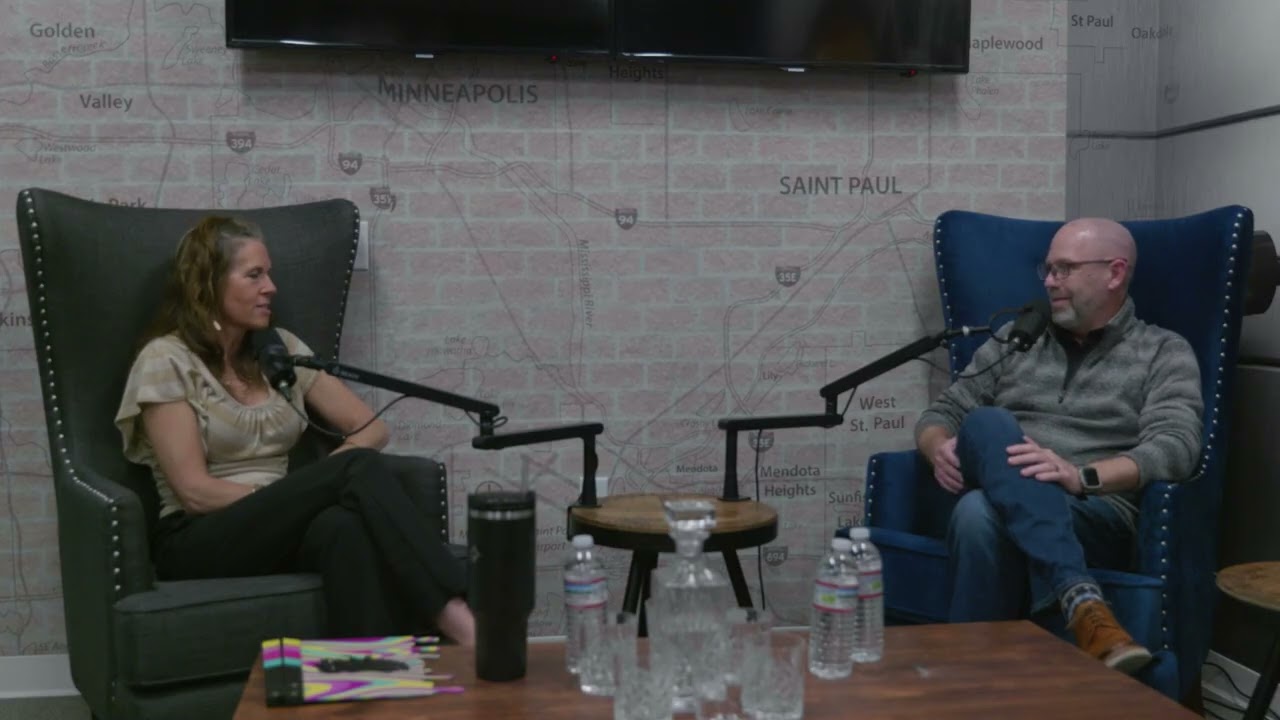
Karissa Dunham sits down with Dr. Eric Erlandson of Eden Prairie Schools to talk about going from teacher to business leader.
Or watch and listen on:


Karissa Dunham sits down with Dr. Eric Erlandson of Eden Prairie Schools to talk about going from teacher to business leader.
Education, construction, youth sports, and community leadership in one conversation.
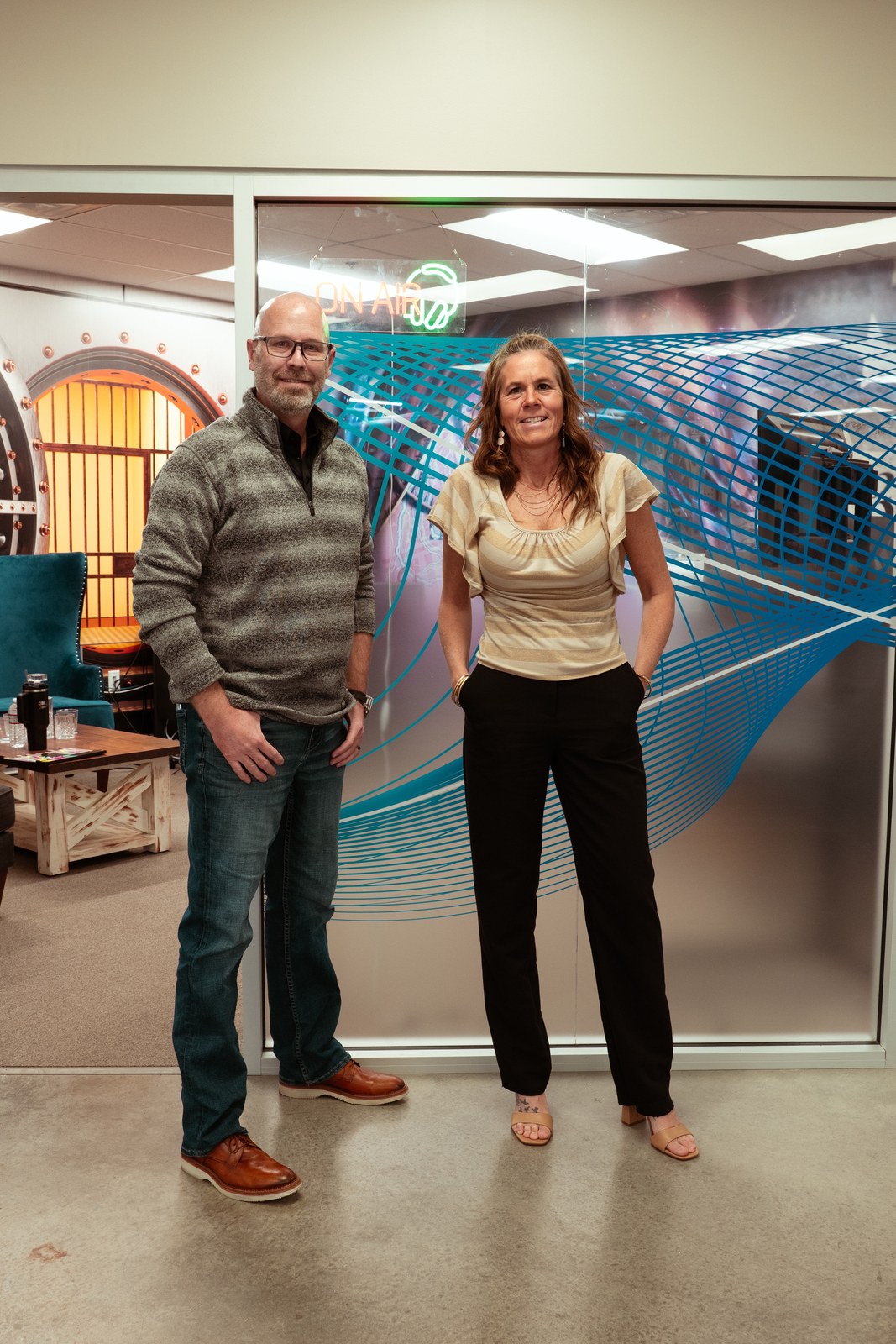
Host Karissa Dunham sits down with Dr. Eric Erlandson for a wide ranging conversation. From education and construction to youth sports and community leadership, Eric shares thoughtful insights from years of experience.
Hello everyone. I'm Karissa Dunham from Shining Light on Minnesota. We have a special guest here with us today, Eric Erlandson. Welcome, Eric. Thank you. Thanks for having me. Yes. So, let's get rolling on the podcast. Let's tell our listeners a little bit about your history and then we'll bring it fast forward to today. So, where did you grow up and what was your story from where you're from? Yeah, certainly. I, you know, I grew up um in the cities um and ended up moving out uh to Monaceel. So, I'm a graduate of Monaceel High School. Um so western suburbs and uh you know parents I have one older sister um but graduate from Monaceel and then went on to uh went on to college. Yep. And which I you know my my educational path was more about following um where I was going to play baseball in college and less about um what school I went to. Yep. Um, and that kind of brought me back around to, you know, that it created an interest in education. You know, my original desire was just to play ball, but it created interest in education and and kind of led me down my path to where I am now. Nice. Where did you go to school at? So, I played a couple year years uh, junior college ball at a Noa Ramsey locally and then I went out to a small school in North Dakota in Mayville, North Dakota. Okay. Um just a real small It was a school that had probably 850 kids and about 700 700 of them were athletes. Yep. Um so you're just constantly having the ball throwing it around. Exactly. Playing baseball, living the dream and and not much else to do there, right? So it was I mean it it was fantastic. It was a it was a great um it was a great experience. I'm glad I did it. Yep. Um but I also was happy to come back to Minnesota. You know, you think you think Minnesota's cold. Well, North Dakota is a whole different game. It sure is. And you get to a point in North Dakota where it's like in South Dakota both where it's it's obviously booming right now. It's starting to grow a lot more, but there's not a whole lot to do there. So when you get to bigger cities, it's like, okay, this is right. I remember what to do all over again. That's right. Exactly. Exactly. So you finished school and you got into what was your next step out of school? What did you decide you were going to school for? Well, you know, really what I wanted to do was be a coach. Yeah. So I went down the path I was going to be a FIAD teacher just so I could be a coach. Absolutely. Um, and in the summers I'd come back and I'd work in the school district in Monaceel for their community department. And I was uh I started a baseball academy there and I was doing a bunch of stuff for the program. Um, and that's when it kind of I got the bite to be like interested in running recreation and sports programs. Um, so I came back and my first my first real job was working in the Wakonia school district for their community education department. Okay. where I was running programs. Um, and I was there for just a short period of time. I was there for a couple years and, uh, pretty much as soon as I got started there, I knew I wanted to be in charge. Nice. Is really what it came down to. Yep. So, um, my interest that got fueled in education, I went back to school and, uh, got a master's degree in education administration. Outstanding. Which had a focus in, um, in athletics. Yes. Absolutely. So you have been in the school district doing a lot of continuing education. How have the times changed from when you started to where they are today? What do you see for the growth and the numbers of kids doing it and people getting involved? Yeah, you know, I think schools um in in particular public schools are in a far more challenging position now than they would have been 15 years ago, right? Um you know the climate of schools has changed so much and with kids you know how revenue works for schools is that it's associated with the kid that attends. Yes. Um and you know school choice is far more prevalent now and parents are willing to drive and bring their kids wherever they want to for the best opportunity. Yes. Um so you know back in the day you you'd be working a school district and the kids that attended your school are the ones that lived there. Yes. That's not the case anymore. out. Um, open enrollment is a huge deal. So, you know, how we how we look at schools, how we market schools has to be completely different than we did before because we're competing for kids that have a choice, right? Well, you see that in schools. I mean, talking sports and talking schools, a lot of the schools that have different specialized programs for, let's say, baseball where they have 92 people trying out for freshman through senior year of high school playing baseball versus other schools that don't. and kids, like you said, driving in just to be a part of that baseball culture, different things like that, which is hard for some other schools that are more academic sponsored or specialized in academics. So, it's interesting to see the numbers how they vary. And for the kids that are new to the district trying to get on that baseball team when there's all the kids trying out. Yes. What do you do? Yeah. And, you know, extracurriculars drives a lot of choices for families. Um, you know, my home district is St. Michael Albertville. Um they're they're their their high school just won the state wrestling tournament. Second year in a row they've been a perennial powerhouse. Y and kids will move from across the country to come to that program or kids will transfer and drive multiple miles to go to that program. Y um now that's a high school that has really good academics as well. Yes. But the draw is that's what's bringing them there. Absolutely. And it's interesting for parents to put that into perspective like, okay, now I've got to drive you an hour and a half before I go to work just to get you to school to get you into the program, which is is great to do, but at the same time, if you want to continue the schools in the other areas and have them excel in certain sports and different things, too, why not have them try doing it in their own district where they live, you know? Yes. There's always been that that that piece where um students, you know, like transferring and going to a private school, that's always been there, but now the ability to transfer from public to public is really common. All the open enrollments. Yes. And that has a huge impact on schools, right? Um every kid that transfers out costs that school eight grand. You know, you lose 10 kids, that's a teacher. Yeah. Um Well, I know like even the district we live in, which is Blaine, I mean, we have three school districts right in our neighborhood that we can choose from. So, it's like, do you want to go to AB or C? And it's it's interesting to see the different choices that people make in the neighborhood, but then you have people coming in from [ __ ] Rapids and all the other areas just to come into the school district, too. So, when someone says, "Hey, I'm going to go out and play baseball with somebody," it's like, "Okay, are you going to am I going to drive you an hour to go play baseball with them or what it is?" So, what do you see as far as as academics go with students playing sports? By the time they're seniors, they kind of get burnt out these days. Where they used to back in the day, probably when you played sports, I played sports. Like that was their dream to go on and play college ball and to go on and kind of make a name for themselves. Now they're starting to pull back with some of the college isn't as important as it was getting into the trades and different things too. Yeah, I think I mean I think a lot has changed on that landscape. you know, the emphasis that in essence our country has on athletics, the number of kids that not only just participate at high school level, but that participate at like high level travel programs. Y um you know, by the time these kids reach graduation, they've probably played somewhere between four and five times as many games as that we would have ever have played. Um you know, I I think about my son. He's playing at the collegiate level for lacrosse. Yep. Um but he has a number of kids that he played with that went to D1 schools and as soon as they got there, they were done, right? You know, they kind of accomplished the goal, but they were burnt out on on wanting to continue to play. Yep. The other side of that, too, is if you do go for sports versus academic, something happens to you, then your scholarship's going to be gone, too. You got to have something else to fall back on. Um, I know coaches and a lot of programs are really strict on doing extracurriculars or doing co-ed leagues, things like that, different inter murals while you're playing the sport because they don't want you to get injured. So, there's that side of it, too. When you want to go into school and you're not sure what you want to go for, you want to meet new people. What other way are you going to meet new people if you're not out trying new things? Yes. And if you look at it, especially the division one level or division two level, the amount of commitment that's required for those student athletes is extreme. Yep. Um, so a lot of those other pieces they don't get to participate in. Right. Well, I do know that. I mean, I've seen and noticed even in my day, I mean, I played D2 golf, went on to school, was supposed to get into different programs, but the way kids practice versus they just want to go out and play these days. They don't want to put in the time to practice. They don't want to go through the routines and all the drills and everything else that's needed. They'd rather just let's go play a pickup game and not put in the time. So, it's interesting to see that aspect changing, too. Yeah. And it's, you know, and I don't even know what the right answer is, but often times when you look at it, I look at the same thing, the the things we did with with our son. Yeah. During his development, um, often times, even from a parent perspective, it felt like this is way out of balance. Yep. Um, did he love playing? Sure. Right. But, you know, it's one thing to to be in the backyard grinding and practicing versus, you know, like the lacrosse world, especially Minnesota, you're on airlines. Absolutely. flying across the country to New York, New Jersey, wherever it may be. You're going to Maryland, you're going to play five games in a week and you're going to fly back. Um, you know, being someone who actually did that, it's like often times we're like, "Hey, what are we doing here?" Right. 12 tournaments a year and you're flying all over and it's like these aren't vacations. These are just getting the kids to and from the tournaments. Yes. Yes. Yeah. It often times, you know, I I I used to fly a lot for work as well. Yeah. Sometimes the tournament just felt like business trips, right? you know, um, just get on the plane, you know, the routine, just get on, go, get it done, and fly back home. And as a parent, you're like, I hope we're doing the right thing. I hope we're, you know what I mean? Like, we'll find out down the road if this was positive or negative. But I mean, the other side of it, too, is people don't understand, even at a professional level, when you're playing a professional sport, like let's say you're you're a golfer, you're playing golf Wednesday, Thursday, Friday, Saturday, Sunday. You get on a plane on Monday, flying out to get there Tuesday and practice round start, practicing everything. You're seven days a week flying and trying to live that life. I mean, think of it a high school level like all the flying, everything like that. Then they have to come back down, do their homework, whatever that may be. Now that they're in school, that's great. But when they weren't, it's a different culture. Yes. Yeah. I you know we were uh we were just at a a weekend thing for lacrosse and I I see all these college kids um they're playing two games over the weekend kind of a backtoback. Um in between games there's laptops out everywhere. These kids are grinding you know um my son and a number of kids on team they're they're engineering degrees. Well they don't have the option of just taking that weekend off. So um you got to do it and figure it out and fit it in wherever you can. Exactly. Yeah. So, what do you see as far as the education side of things and community education? Are the community education numbers up or are they down a little bit? You know, you know, most community ad departments for school districts, they really serve a few different functions, right? Often times you're you're the component that helps schedule the facilities. Um, so outside user groups want to come in and get gym space. That's a big function of what community ed does. And then that other piece is creating programs. Um, and you know, back in the day, you would look at it and we'd be creating enrichment and recreational opportunities and kind of the landscape of community ed has almost shifted where child care is a huge component of what we do, right? Nice. Um, I was just working with our team, you know, we have coordinators that handle a number of different areas. Um, you know, about 62% of our revenue is from child care. Yep. Um, so that's that's really where it has shifted where maybe that would have been the classic ceramics or basket weaving, you know, the whatever that might have been back in the day. It has really shifted to really essential services for working families, right? For do you see a lot of numbers like in the school districts, things like that. Obviously, people are coming back to work a lot more, which means child care numbers are going to be going up. Obviously, that's going to be changing even more in the future with people having to go back to the office now, too. Yeah, I think um I think even as we've seen we've seen shifts in workforce where where the the idea, you know, I'm I'm a little bit older, so the idea of work life balance was never really a thing. Y um so even at times when I'm working with younger employees, I have to think of that in a different frame, right? The ideas about work are different. Yes. Um, but we're still seeing the same thing where a greater demand for child care even though many families aren't working as many hours as they once did, right? So, it's kind of a it's a kind of a unique dichotomy, but um but the demand to for child care services continues to be very high and it's going to probably keep going as you as you grow and everything like that within the school districts. I mean, it's it's interesting to me as a parent, obviously having multiple kids that have gone to multiple different districts. Everybody's like striving and wanting to push the technology and get everything out there and now they're starting to come back a little bit. Do you see that happening more and more with phones being locked up again once they're back in the classroom or put away so they're not using them? Yeah. I mean, like from a parents perspective, I I listen to the stories from my kids about, you know, having to having to put their phones in the little pockets and how it's so dumb. Why do we have to do this? And then I hear it from a teacher perspective. Being an administrator, you hear the teachers hear the challenges of how they can teach in the classroom when all these kids have distractions, right? They're all on TikTok or they're doing taking pictures and texting and everything like that. Exactly. So, I mean, it's a it's a challenging balance. Um, you know, kids now have been raised in an environment where this has been part of their world the entire time, right? They don't know any other way. Right. And a lot of teachers have been in a classic stand and deliver mode where they had kids with books open staring at them. Yeah. That is not the environment in which they teach anymore. No. You know, I mean, it was interesting even when like, let's say Tik Tok goes down for whatever it was a day, you see all the kids and all their friends completely having like, oh my god, the world's ending. Like Tik Tok's down. What are we going to do? Yes. Like you have to look something up. You have to find the answer. You can only take the test once. And the other side of it too, I mean, working smarter not harder for that generation. Like they can get things done a lot quicker. So trying to bridge those gaps of our generation and older to the newer newer generation is Yeah. you know, and we've had a lot of discussions from a school district side where um you know, ho how are we going to integrate AI into education? Yeah. Um you know, the use of chat GBT for a lot of traditional educators, they're concerned about that, right? Because they're like, well, are our students going to use this um where they're not going to learn? They're just going to look it up or they're going to have this produced. So, a lot of our view on this is all right, how do we incorporate this? How do we use this as part of a tool for learning versus versus trying to ban it and keep it out? Like it is where we're at. It is going to be part of our future. Um if we don't adapt to it, um you know, we'll continue to be behind for sure. Yeah. I mean, I know even at a college level like students like my daughter says a lot of her friends are trying to do, okay, Chad GP, write me my 10-page paper. You have ways to check that. There's ways that people know if it's done strictly written by AI, changing it up, putting it in your own words, sure, whatever you want to do, using it as a tool and a resource instead of just here's my paper and it's all AI written. Yeah. You know, I think about that. I um I just I completed my uh PhD this past year and the universities are are working through that as well. Challenging to try to figure out how exactly is this going to work, right? um the detection software out there is hit and miss as well, right? Um you know and I I have you know even going through that process your dissertation you're writing a 100 pages, right? So I would take things that I have written on my own and put it through the same detection software so you get an idea on what to do. Yeah. I a I want to make sure like that it's not that you know that it's original work. I want to make sure when I turn it in it's not going to be flagged. It's not going to be flagged that you didn't do it. And there's things that would come back would that would highlight to like hey you should be careful here and it's like hold on that's an original idea you know. Yeah. I think it's also funny on the other side of it too, like when they showing kids like when they have to write their name as a signature. The generations nowadays aren't able to do that. They mom, what is this? Like, okay, you got to print your name. Okay. Well, that's all I can do. So, when it says sign, it's still just the printed name, right? I just had daughters that went through this. They got their uh driver's license. They turned 16 in December. Yep. Same thing. You had to sign for things. They didn't know how to do it. Well, what's what does it mean to say? Right. Right. So, it's it's interesting. It's fun to see everything growing and changing for sure. I mean, the other side of it, too, with technology, I mean, it's making it's putting you in communication with a lot of people you never had the adaptability to meet with, to talk to, to get in touch with, but also to help systems be put in place so processes are easier. Yeah. I think I think about like how it's changed social interactions where um where where people have they feel real connections with people who they've never physically been in the same room with. You know, I find it so unique. Um but I'm open-minded enough to realize like, okay, this is a new digital world. Uh this is how they operate. Um, so that piece is is it's fascinating to me how you can build and develop relationships without having ever like any kind of physical interactions. Yep. Or when you see people you haven't seen in a while and they're like, "Oh, how was the game?" I'm like, "Oh, oh yeah, you must have noticed that I was at that game, the Packer game or whatever it may be online, like you just don't realize. I mean, you do it because it's work or because you do it, you want to do it." But the other side too that we see I think is interesting is how the younger generation still has to learn how to communicate. A lot of them are so into the technology and not knowing how to get out in the real world and have a conversation, learning to grow and learning to interact because that's going to be a big part with AI in the future. Like you still have to be having those face-toface conversations. You know, I think I think about like being open-minded on how technology influences our world moving forward. And then I also still think about like how you navigate a job interview. Absolutely. Um how you navigate conflict, you know, working through tough situations. Um I don't know how that that digital interface allows you to work through real human issues, right? Um, I still find it far more effective to, you know, be in the room with that person to have an au authentic interaction in order to work both through positive and challenging situations. And I wonder how that's going to look in the future, right, with a whole new generation who hasn't who hasn't developed those skills because, you know, a vast majority of their actions are done in an online or digital world. Well, the other side of it is things can be mistaken and misread and everything else and not shown emotion and different things on an email, on a Snapchat, on whatever it may be. You don't know how it was meant for the end user to receive it. And that's the other side of it that's kind of difficult. I I was just having a conversation with with an employee yesterday and the concept behind it was the idea is like people are far different when you're in the room together. Yes. So those that might have a negative thing that they're willing to put out in an email or in a Twitter post or something, it's far different when you sit across and have an human interaction. Um, and that's why I encourage the especially when we're dealing with challenging situations, get in the room with the person, sit down, have that conversation, figure it out. It could be that you're both trying to get to the same end result. you just don't know how to put the two thoughts together or how to work around those obstacles or just seeing a person and their reactions obviously helps grow, but it also helps you understand who they are as a person and what they're trying to get across. Yeah. I think I think about being able to not necessarily read someone, but if you can sense that there's something you can you can turn that person be like, you know, how you feel up at that or you know, you can kind of work through that versus firing off an email back and forth or even, you know, responding to a post on a social media. There's no intuition there. There's no way to dive in deeper based off of Well, and everything on the internet's correct, right? So whatever they're posting is is is their belief system and everybody has a perfect life as it goes on the internet. Um I think it's important to I mean as adults and as kids to understand just because people have different beliefs doesn't mean you can't still get along and have a great friendship and a great working atmosphere because the more you know and the more you learn about different sides of things being open to both sides and hearing both sides the more the world's going to grow. Yeah. I mean certainly in the last however many years we want to go back but there's been there's been this piece to want to affiliate with a certain either a political party or a certain ideology um which then it you know you you lose the nuance of of certain belief systems when when you connect yourself solely to this right because now everything associated with that is who you are right um and it's it's been far easier for people to be like, "Are you are you this or that?" Um, and then we we lose all that middle ground. Yep. I mean, it's interesting, too. I mean, when you start associating with that, but you're like, "I believe this, but I also have my own personal beliefs that, you know, tie into both sides. So, why can't we hear both sides, hear what the stories are, figure everything out, and make a decision on your own, and just kind of live life together?" And I think I think in in the last decade, we've seen the pendulum swing um quite a ways either side. Yeah. And my own personal belief system is that it's usually the right answer or the best path is somewhere somewhere in the middle there. Anytime it swings too far either way, I get concerned that it's not the right path. Yep. I noticed that with school districts, too. I mean, obviously teachers have their own thought process and districts do what they do, but when kids start coming home with the belief system that their teachers are trying to teach them a different way or a different their belief system, it's it's hard as a parent to say, "Okay, just keep your mind open because you're still trying to learn. You're still trying to do things the right way." Just like anything and everything in life, you've got to hear both sides of the story, you know. And I think that that historically has been uh, you know, a criticism of higher ed as well. Yep. You know, the idea that there's certain um belief systems that are associated with with schools or with colleges and universities. Um and really our job is to make sure that there's an avenue to have dialogue about different beliefs, not to instill different beliefs or to um speak only to certain belief systems. Right. in the higher education and in the high schools, elementaryaries, junior highs, do you still see the administrators pushing towards getting your degree and going to school and everything like that or is it kind of unique on it on its own just trying to find out something that you want to do as a person? Yeah, I I think that angle has has really shifted. I've seen it over I mean over the past five, six years where schools are being far more intentional about making sure that they lay out multiple pathways, right? you know, um I would say prior there was a far greater emphasis on a you know, like that four-year traditional degree pathway. Y Well, a lot of people I mean back in my day, prior to my day, like you go to school, you have no idea what you want to be. Like even at my age, you still don't know what you want to be or where you're going or what you're doing. So all those years of putting in the education, having people that have gotten their doctoretses and different things and they don't use them now in life, it's just like one of those, it's great to say you have it, but is it something needed or is it something you want to go into now, too? So, it's trying to kind of get a feel for what you want to do. Yeah. You know, I think in my own path, I'm I'm the I'm the first one in my family that has a four-year degree. Um, but going through that pro, I never really thought about it. No. Um it was just like well it looks like a lot of people are going to school. I guess I'm going to school you know and that's what you do. Yeah. You know you figure out your path as you go. Um but I think I think schools are doing a far better job of highlighting alternate paths for kids so they can explore different things. Um because the four-year degree thing is not it clearly is not for everyone. Correct. Um and then especially you know as things have moved and changed. Um you know my my prior business was in the trades. We sold products to uh construction workers. Um you know, there's huge gaps for employees in a lot of the trades. Um and schools are doing a far better job now to highlight those paths for kids. For sure. I mean, what I've noticed obviously being in the trades. I had we had women in construction week last week trying to educate people on just because you're going to go into the trades or you're going to get into construction doesn't mean you're going to have a hammer. you're going to get dirty. I mean, there's law degrees, there's human resources, there's marketing. I mean, you could go to school and or get into the trades and get into a construction company and be like, "Wait, this isn't what I thought." A lot of people out there don't know all the different avenues for construction and all the other trades that are out there. It's not just I'm going to have a hammer or I'm going to go on an excavator and start to dig. If that's not for you, there's a lot of other fields out there for it, too, right? You know, and I I think back to um you know, some of like the best leaders I encountered or some of the smartest people I've encountered were those that were like running job sites. Yes. Absolutely. These are people that came out of high school, got a job as a laborer, kind of worked their way up. For sure. And now they're they're in management and leadership roles. So, it it's it isn't just a a pathway of like, hey, you got to go to college in order to get this degree in order to do this. Uh some of the best leaders I've encountered are those that came right through straight out of high school, work their way through. Um and there's a pathway for that as well. Yep. And well, and it's being able to learn the routes in any trade or anything that you do. You've got to be able to wear multiple hats and try new things. That way you know what you like, what you don't like. In in any job, it's how many hats can you wear and what all can you do, but also know what you're good at and what you want to do. That's the other side of it. what you aren't good at, find somebody that is. And I I think that's that's kind of that key is that piece of like um when you can combine something that you're interested and passionate about along with maybe you have some natural ability in it and then you're willing to work at it, right? You know, you put those three together and you can you can achieve really high levels for sure. Um but it's that it's usually those pieces have to come together for you to be at at a at a high level in your chosen field. Yep. You also have to be willing to grow and change. And I think that some people get monotonous or just go through the process and do what they do every single day. But the ability to adapt and change and want more and to try to figure out what's the next steps, how am I going to get there and not stop learning, just keep educating. You you you see it all the time where people get into an industry and regardless of industry, I think it's all the same. But people that stop evolving then get left behind, right? Um, and if you're open-minded enough to continue to look at ways to do things differently and to progress, you'll be fine, right? If you want to dig your heels in and say, "This is the way we've always done it," then then the train just keeps getting further away from you. Yeah. Well, I mean, you see that even in the economy with firstowned like you have the farmers, you have the business owners, everything like that that are dreaming and planning of handing their business down to their kids and their grandkids and they kids and grandkids don't want anything to do with it too. So, we're at that stage where they're looking to now sell their hard earned business that they've lived their life for, no matter what it is or what field it is, because they don't have any other options. They're getting to that retirement age or whatever it may be. Yeah. you know, I I started my career out in uh the education setting. Yes. And kind of halfway through I I left education, went in the private sector, and that was for that exact reason. Um you know, my dad owned a small business and uh he was in that same position. He, you know, he he had no idea how he was going to get out of it, right? Um so I came in and bought that business from him. Um and two things happened there. one um he was open-minded enough to not say this is how we do it, this is the only way to do it. Um he was able to step away from that and and knew that a new a new lens was needed, right? Um but the same thing, you know, I took that business over and went through that process, you know, built that business up um and sold that business off. And the same thing is like, you know, I was lucky to find someone who I, you know, I had built a decentsized business that we had people who were interested in. Yeah. But there's a whole there's a whole pile of people right now that don't have that, right? They don't have anyone who's going to buy it. It's not an asset that someone is willing to come in and put in that type of work that you need to run your own business. Y um and a lot of those small business that are the the core of our economy and and really kind of the lifeblood of what what American um business is all about, a lot of those are going to disappear or they're going to be gobbled up by big corporations and then turned into something that they weren't before. What do you see for schools? I mean, they're obviously changing and so are businesses, but you're starting to see more robotics and more STEM and more different avenues where it's you're not having the home, but some of the things that they used to teach in schools, how to finance, how to write, do taxes, do different things like that. Do you see a shift change coming back to kind of full fruition and going back to what they used to have, what they need, or I think I've seen some of that. I mean, I think the home is a good example. Um, you know, home has transitioned to what's called facts, family, and consumer science, but in a lot of districts, you might have had two or three teachers that taught those subjects before and now you have one teacher that's maybe halftime or 0.8 FTE. Um, so a lot of those areas have shifted. Um, but I have seen other things come back. You know, I've I've my own kids have gone through like personal finance classes where they're talking about like how the stock market works and some of the basic things to save and what to save, banking. Yeah, exactly. Um, so that's a nice transition. Um, and and I look at it the same way is I think some of those classes traditionally might have been for those kids who weren't collegebound, right? And now it's far more spread across like every kid can benefit from this. Um so the schools are doing a better job of marketing that saying this is this is a valuable class no matter what your path is. Um and I think that that's an important switches or twist as well. Um I think schools have to continue to evolve and innovate. Yeah. Um because of that choice that we talked about, right? If they don't do it and the neighboring district does or even the two neighbors away are doing some really innovative stuff, kids are going to find themselves there. Right. The other side of it that you see, I mean, talking about teachers and being 08 and all that stuff having their summers, everybody's like, "Oh, teachers have summers off." But they don't. I mean, they they still have to work. Like, you being a teacher, you're trying to get paid what they get paid. Even the administrative side, everything, you have to keep finding something else that will continue to help you grow, but it'll still help financially because splitting that paycheck up or however they want to do the summers, you have to you still have to make it. you still have to keep doing what you do. Yeah, there's the view is that like, oh, this is really nice summers off, right? Um I don't know many teachers that truly take summers off at you know um right now we're planning our um summer school program. Um a lot we have title programs that helps kids that were struggling with some catchup in the summer. Uh all sorts of teachers are looking for hours for sure. They need to. Yeah. Yep. with that too. I mean, having having no summers off, then you have to come back in. You have to get the classrooms ready. You have to continue. But you also want to find a way to find something so you don't get burnt out so you can keep going because I know the education field, teacher side, administrative side, dealing with kids all day long, sometimes you need a little bit of a break or you need to find something else to do. Yeah. And it's and it certainly is a different climate. I think we see it in other industries as well, but um you know it there are we deal with things with kids now that we didn't deal with 10 years ago, right? It's a different environment. Um expectations from parents are far different than they used to be. Oh, for sure. Especially on the coach and sporting side, too. Yes. Yes. Yes. I I just had a conversation yesterday with one of our coaches. Um and it's that same thing. It's like, you know, coaches do they do not get paid much to do what they do. Not at all. So, the ones that are in it, they're doing it cuz they absolutely love it, right? Um, and the type of scrutiny they're under, the type of scrutiny officials are under, right? Um, trying to find coaches these days is impossible. Every child that we've had is at a high demand of looking for coaches because of the way the world's turning and what it's turning into. Yeah. Yeah. I think it's it's interesting on on the coaching side, on the athletic side, everything like that with all the scrutiny, all the entitlement, kids changing their way of not wanting to work, not wanting to put in the time or just not showing up is is hard for all those teachers and administrators, coaches that love it. You start to see a shift sooner or later. Yeah. And I think, you know, it's the traditional model with high school is that that was the spot where kids could all participate. Yeah. Um it certainly has shifted now where it is far more um like those pressures that come with it. There's far more expectations for kids as well. Y um and what what club sports has done it has heightened it to a level where we have putting such a huge importance on sports. Yes. Um that we take the club environment and it has trickled into the high school environment. Right. So that's no longer about just participating and everyone's getting opportunity. Um there's far different expectations there. Now, what about for the children and the families that I mean, obviously the club level is awesome and amazing, but the cost is up there a little bit too. So, we're starting to see kind of a hit on people that can't afford it and can't do it and their kids still want to try to play and want to go out for the sports and do the things, but they just don't have the money to do it. Yeah. I mean, you know, the the the notion of paytoplay has always been out there, but now that has that is at extreme levels. Um, you know, and I, you know, there's you, especially in our state, you can look at hockey and be like, "Oh my gosh." Um, I look at it from like, you know, my my son who played lacrosse, there's always been a stigma about lacrosse, about who gets to play lacrosse. Well, that's every sport. Baseball, too. It's it's who, you know, whose brother was on the team. It's it's who your parents know. Yeah. And and there is I mean if you know there's certain teams that if if you're playing on the team the expectation is that you are on an airplane five six times a year. Absolutely. Well that eliminates a ton of kids who maybe easily could be just as talented but do not have the financial resources. Right. And that ends up being the separator versus based off of their skills and abilities. Well, and sometimes, I mean, I had a conversation with my son a while ago and other kids, too. Like, sometimes, yes, it's great to be on those traveling teams, but you also just need to have the ball in the hand. Go play those those fall leagues, the pickup leagues, whatever it may be. Just keep playing. Do what you love. Don't give up on this one thing that you love just because somebody's doing something else or trying something else. Just keep it going. My my personal belief is that um if if the talent is there and if a kid is work willing to work Yeah. Um that kid will get an opportunity, right? Regardless if they're on this club team or this club team. That's what it's always been. It's it's the time and you can see it in their heart. They love it. They're out there. They're trying. They're first one to show up, last one to leave. It's just who they are. Yeah. Yes. And that type of kid, the kid who's willing to go put a 100 shots up in his backyard hoop, the kid will still get an opportunity, right? Absolutely. Yep. Do you see with schools obviously changing technology-wise with teachers wise having a little bit of a shift of going back online or do you think that it'll always stay in person things like that or having options to do both? Um I think I think I don't think I don't see it going back. Right. Which is good. Yep. So I I mean the shift, you know, from a school district, and this is where from a public side, you have to be very cognizant of it because if if a kid that lives in your district um now goes to an online school, that is no longer within your district. So the funding leaves with that kid. Y um so a lot of districts have gone to incorporating their own online school. Y um so then they get to keep the kid in their district, right? Um with the revenue that follows as well. Um, it also gives it gives kids balance too where they can try a couple online classes and then still take the other three classes per day in in the building in a traditional model. Y um so I would think schools have to continue to innovate in a way you're almost forced as a district to figure out ways to keep kids home. Yeah. Um and you know either that's having different or unique programs or giving versatility when it comes to both inerson or online offerings. Well, there's definitely something to say. I mean, even going back to my daughter who's in college, different kids, having that inschool meaningful relationship with the teacher, seeing how it's done, kind of the hands-on learning, going back to you want to see it, have them write it down, have them do it, however they do it in person versus online and just have it all laid out for you. Yes. Sometimes it's the muscle memory that sticks. It's the little things that you need to see to understand. Yeah. for, you know, I I see it both from the the school side as well as the parent side. I have daughters that do both some online c courses through their district as well as in person. Um, you know, from from a real traditional viewpoint, I look at how some of the classes are structured and think, well, you know, how does this transition if they do go on to college, right? How does this transition? You know, you know, universities still have a lot of the stuff that they do is in person. Um, you know, so you kind of weigh out that value of like is the in-person better quality education versus online. Y um sometimes I get stuck in my own mind thinking back and I I think well there's got to be a higher value for that in-person class for sure. Um but where it's shifting and where it's going. Yep. There there's going to be both opportunities, right? Um and at the university level too, I mean that that is a good point, but there's certain things obviously like if you have a lab, you need to see the lab in person. You can't just have it broken apart on screen. You want to see the chemical explosion or whatever it may be in person to see how it really works and how what the fundamentals are. Different things like that, too. I I think about some of those, too. Like I, my wife's a veterinarian. Yeah. And I think about like you can only do so much. At some point, you you know, you still have to, you know, you have to cut into that cadaavver. You know, you got to make that incision. Yep. Um and even though you know I I met with a local hospital and they're talking about some of the equipment that's coming in and and a lot of it um surgeons are no longer touching the patient. Correct. They're operating the robot to cut the patient. So there you know it is continuing to evolve but um that educational piece. There still has to be that foundational piece and it certainly can't all be a virtual world because um regardless of you still have to have someone overseeing the machines. You still have to have somebody there. You still have to be that person. And I think that's what's important for the kids and for every generation. No matter if it's robots, if it's AI, if it's technology, you still have to be that person. Like if you're going into school for nursing or a doctor or whatever it may be, you still have to face those patients. Right. Right. So it's important. Yes. What do you think is coming up down the line for schools and technology and the way the growth is going? You know, I think it's schools are going to continue to battle that um that piece of where resources go. When I think about where, you know, we need to meet um where the needs are now um with limited resources. Y you know, it's it's a tricky balance and there's a lot of discussion out there right now both at the state and federal level of, you know, the dollars and where it's going to be when it comes to education. um you know the a lot of discussion right now about federal government and their role in education and pulling back some of those resources and school districts in general I mean and a lot of businesses as well but about 80% of what you spend is on people right um so when we talk about some of like the capital expenditures needed to bring in new technology sometimes those resources are pretty limited right but the kids still need the Chromebooks you still need to have the smart screens you got to have all of that to keep growing and keep those numbers up in the district. Otherwise, if you don't have it, who's going to want to write on a chalkboard when the next school has the smart technology? Yes. It often feels like you're playing catch-up trying to get to where things are at, even though things might be five years ahead of that already. Um, and I don't see that I don't see that challenge changing. No. What do you Let's pivot a little bit. What do you see with safety measures at schools? There's a lot of things going on in the world obviously that are happening with keeping the kids safe, trying new things. Where do you see that shift in the schools around here? Yeah, you know, the there's a lot of discussions about like how do we have a secure building, right? Um and what that means from district to district can be very different. Absolutely. Um you know, there's a lot of discussion about secure entrances and how do we handle people that come in and out of our buildings. Um, again, I think the resources needed to do it uh with fidelity probably aren't there. Absolutely. Um, so as districts and I I've seen it I I've worked in um seven different school districts. I've seen it from a lot of different levels. Yeah. Um there's there there's emphasis on how do we make our building secure with the resources that are available, right? Um, in a perfect world, you know, you could you could lock down buildings in a far different way, but the expense associated with that is is it's just dollars that aren't available out there. Well, the other side of it, I mean, we do a lot with safety, security with schools, with government agencies, different things like that, too. So, we see we see that side of it, but you don't want schools to feel prison-like either for those kids. And that's the big side of it, too. you have all the mental health and you have all the technology causing the mental health. So, you want to keep it free and flowing and positive and keep them going. You don't want to feel like they're locked in or that they have to go through all these machines to stay safe. And so, we're seeing seeing a lot of shifts in how can we change the school to make it more friendly and open for those students, too. Yes. Yeah. Um, you know, there's there's simple things you can do. uh you know, we're implementing a door system that just allows us to control when we unlock and lock doors. Y um that doesn't necessarily change, you know, there's not metal detectors, right? Um but there's things that we can do within our capital budgets to bring in um greater levels of security. Yeah. Um but you know, the the prevalence of where school shootings have been and you know, some of these things have hit pretty close to home. Oh yeah, for sure. But the ability to react and to like fully implement uh safety measures is is challenging. So we schools are forced to kind of do the pieces that they can y um to address areas that that if there's weaknesses, they try to address those in ways that they can. Y um but each district is, you know, depending on on their philosophy and and how their buildings were originally constructed, right? Some of these buildings you're you're taking you're going to have bricks that are going to fall apart before anything else. you can just kick those in. You know, not every district has the ability to be working with buildings that that were built in 2020. You know, we're still operating with parts of buildings that were built in the ' 50s, '60s, and 70s. So, retrofitting those types of buildings to meet today's security needs are more challenging, right? And I think with the shift of just the students in general coming out more, talking about how they're feeling, seeing where they're at, obviously things that are done online don't disappear. they're there like it's they're seeing it every day. It sticks with them. Nothing disappears that you type on anything. Um but to just help navigate and get through what the daily struggles are and what what's up next, what they're coming up against next is important too. That balance of, you know, the safety precautions are more of a reactionary piece versus like how do we focus on kids mental health? one of the things we can do to work with kids before this gets to the point where we have to rely on our safety measures. So, it's it's finding that right balance and and certainly that if you look at the me that's a far greater challenge to deal with the complexities of of what kids deal with these days. Yes. Yep. I mean, what they see and what they deal with on a dayto-day is 150% different than what I used to see back in the day. I mean, it's just one of those like we're going to go outside and get on our bikes and ride 12 miles to the park and go play a couple pickup games of basketball or baseball and come back. Now, when the kids say, "Hey, I'm going to go for a bike ride." It's like, "Okay, where are you going? Do we want you to cross that street? Are you going to a safe space?" You never know what what the world's coming to. I think kids I think teenagers in particular um now this has to be the hardest time it it's ever been. Well, I shouldn't say that, but it is a challenging time to be a teenager right now. I would not want to navigate the world that they're in, right? Um I'm much happier with the time and error I went through that process. For sure. Yeah. I mean, it's it's it's fun. It's ever changing. Obviously, technology, the world's coming to what it's coming to, but to see the kids thriving, to see them get going places and still being good people and learning the ways that they need to survive and get out there nowadays is leaps and bounds from what it used to be. And I think it's really easy right now to just look at the negative piece, but for the most part, I see tons of really great kids doing really good things. Absolutely. Um and so when I think about it, I think positively about what our future will be. Yeah. Um there's times where it's it's scary to navigate like how does this play out, right? Um I still have faith that in essence most people are good, right? Um and these kids are going to turn out just fine. our future's going to be okay, you know, and that's I see way more of that. And I think in order for me to like go through this process working with kids, you have to believe in the best in people and you have to believe in the best of the next generation coming behind us and teaching them that things will be okay. Just like you said, staying positive, finding the good in the situations, trying to be optimistic in a world that's kind of not as optimistic as you want it to be. Do what you do. Be you. try to figure things out on your own the way you want to figure them out. Everybody learns differently. Everybody acts differently. So try to find what's best for you. Yeah. And I think like what you mentioned earlier, the idea of making sure all the that kids are exposed to many paths. Yes. Like that's our job. That's our job to expose them to all the different paths versus steering them in any certain direction. Yep. Because there's no two kids that are the same. I mean, even when you have your own children, one's into sports, one's into cooking, one's into music, whatever it may be, you just never know what what they're loving, what they what they want to do, who they are as a person. You know, from from a personal philosophy, I've always been more of a um nature versus nurture. Yeah. That a lot the kids show up, they are who they are. Y and then after having identical twin daughters, that couldn't that couldn't be more different. It like kind of reinforced my own belief system. Y um but you know those kids show up who they are. They get to develop as they go but they're they have their own sets of thoughts. They have their own interests, their own abilities. Um and to think that we can squeeze them all into a certain box or send them all down a certain pathway would be would be rational on our viewpoint. So y and it's important though too to keep them motivated. It's like I don't care what what your belief and what how you want to do it, but let's do something. Let's get out there and try to do what you enjoy to do. If there's something that's driving you to the next why or getting through the day or whatever, let's figure it out. Let's go do it. Yeah. I think I think we get I think kids um I think everyone, not just kids, but get idea that you know how you're successful in life is to go from point A to point B. Yeah. Um, and I think anytime that that path gets crooked is that people think they're off the wrong path. Truth of the matter is all of our paths are that way. You don't you don't go from A to B in a straight line. And you learn more from those off-road side roads than you learn just kind of staying in your lane sometimes. Yes. Exa. Exactly. Exactly. So, what do you what do you think for as far as obviously we're talking about the A to B and different paths, things like that. What do you see coming up in the future for your own kids, for the generations as far as colleges? Are they going to start to slow down? Are they going to continue on the way they are? I mean, I see a lot of schools that are starting to kind of shut down and try different things and pushing more online. Yeah, I think you know it's even be outside of the school side, you know, if you think about like how worlds operate in in like the traditional brickandmortar y type of world. Um, you know, I think you're still going to have a core of colleges and universities that will be there. Yeah. A physical location, but as we've seen even on the private business side is, you know, I mean, look at what Amazon is now, right? you know, although though we we visualize this as taking place out here, um versus at the storefront, you know, from a from a construction side, I always thought like, hey, if this keeps shifting, who are we going to sell products to? Who's going to build this? Who's going to be the product? Who's going to do it? Is there going to be room to build it, right? You know, part of it, too, is the idea is like, well, it's shifted now. It's no longer storefront, but it's warehouse, right? You know, there we're still moving. It's data centers, it's it's meta centers, it's whatever it may be. I think with the shift in schools, I mean, like you were saying is exactly true. Like you don't go to Harvard to get an online degree. You go there for the the connections and to live that that lifestyle that you're there. Same with Stanford or some of the even the everyday schools, University of Minnesota, you're there for the connection to be a part of that community. Yeah, there there are certainly certain schools that will continue that have those types of foundations um and traditions. Um there are others. I mean even if you look at something like Rasin Business School, right? These are things that have come and gone. Yep. Absolutely. You know, the the 200-year-old universities probably are going to stick around a little bit longer. Um but they have to adapt and change too. Well, I think a big part of the adapting and changing too is like you could go to one school and have a credit or a class or a course and have to take that same exact class because it's one point system off at another school even though you already took it just to get to their specific criteras that are needed to. So, it's interesting to see those shifts like if you're going into nursing, whatever it may be, here's the course you took at a state school. Here's the course that you have to take at a private school. Yes. And that's certainly that's not universal. No. You know, I lived that experience where going through a school and transferring to another. Yeah. Um and then how that school interprets the algebra class versus the previous university. You know, it's not universal and having to pay for that multiple times figure that route. People don't understand that that's out there, too. Well, it was great having you on today. How can people get in touch with you and what do you what do you see for like the leadership and going forward and how how can people get a hold of you? Yeah. So I mean the lot of the work I'm doing now um as I've I've seen both the worlds in in the public sector as the private sector and a lot of my uh dissertation work was just looked at what does leadership look like right um and what what what my study looked at is what's the common factors right um and good leadership regardless of industry y is the same it is um the things needed to be effective um to run your business or lead an organization. Um what I had found there's really five components to it about being a good leader. It's about being authentic. It's about having a shared leadership mindset which means you your team is involved with that process. Um it's a it's a servant mindset as well is that really good leaders are servants to the people that work with them. Yes. Um and then the other two components is good leadership is about coaching where you're always thinking about who's next, how can I help develop them, right? And then any good leader has to have a component of transformation. Yes. So if you're not elevating your business, if you're not changing your business, um you're not going to be as effective. And that's the core of what I do as as a leader, but it's also the core of what I do um in in my consulting practice as well. on the way up from the consulting, you've done some mentoring. Who are some of your favorite people that have brought you to where you are today? You know, I think back um it's funny because you know, there's a couple things that I think about. I had a I had a baseball coach that was really influential. Um and he the things that he always used, the one thing I took away from it, he talked about having three types of people. Um and he had used it in a baseball context, but it was you're either a marshmallow, you're a jelly bean, or a rock. Um and he had said that you know you you can move one level. So if you're a marshmallow you become a jelly bean. Y but you're never going to become a rock. Um and the the context behind it is that you know as a person or as a leader. Um that substrate is is who you are when the pressure gets hot. Right. So when it gets warm, marshmallows melt. Yep. Um jelly beans will hold on for a while and eventually will melt, right? Um but rocks get stronger and harder with heat and pressure. Um so that's been a big influence for me. Yeah. Um and then that other component I I had a job interview when I went through and I was going through this process. I had the same question. They asked me about my my leadership background. Um and I had referenced my parents. Yeah. And you know I was in I was interview and I was getting the job but I'm getting emotional thinking about that foundation. Um, but you know, I think about that my my dad is a a Vietnam veteran here and multiple Purple Hearts. Um, he's probably the most generous person I've ever met. Um, he thinks the best of everyone. And, you know, he had a tough he had a tough upbringing for, you know, being drafted into the military. They didn't want to go. They weren't welcome back. My father was a Vietnam veteran as well. Yeah. And he lived with that guilt coming back for 30 plus years. He didn't get to talk about being proud of being an American or being a military vet. And they didn't get to talk about their feelings when they got back either because that wasn't a thing. And it's just now starting to come to head all the PTSD, everything like that from it. Yeah. But it's that foundation. And really what it comes back to is that, you know, it it's that piece of being authentic. It's about, you know, there's a lot of different styles that you can have to be a good leader. Um, but owning who you are, being authentic in your relationships with other people, with your staff is is really the key component of how you're going to be successful. How important is it these days for the younger generation to have mentors and have people that'll grab them and say, "Hey, let's do this. Let's go along the way and let's follow in these footsteps." And I think that's probably one of the biggest gaps. Um, I'm working with a state association in which we're focusing on leadership development. Um because so many people end up finding themselves in a position where they're leading other people and don't have the foundation and don't have someone that they can talk to about leadership, right? Um so the mentorship piece is huge. Um and you know we've had a lot of discussions about higher ed. Yes, you can go through you can you can get your four-year degree, a master's degree, you can get a doctorate. That does not mean that you're going to be an effective leader. Right. So without mentorship, without having other people to talk about ways to deal with difficult situations, it's it's a key part about leadership development. It is. And I feel like a lot of people these days are there's a lot of people that are marketers. There's a lot of people that are life coaches and that are trying to figure out the world. But you also have to have a circle when you are a leader of who can I turn to to help me grow, but also to figure out the es and flows of being a leader and to be effective and to continue on. Exactly. Yeah. And a lot of it is, you know, that leadership development. Um, a lot of people I've worked with, um, it's it's really helping them identify who they are. Yes. Um, you know, I am not a life coach, right? I I try to put into context about how do we move an organization forward, right? But some of it is really helping people identify who they are, what their strengths are, and recognizing those things allows them to be a better leader for the organization. It's great to know. I mean, in the leadership role, it's great to know all the all the routes that you need to take, but you also have to be able to delegate and say, "Hey, this is my process. This is where I'm going. If I'm not great at HR, let's hire an HR person instead of trying to do everything all at once." Yes. And and the idea is that, you know, you identifying where your strengths are and where your gaps are are a key component. For sure. Um and and good leaders do that. Yes. And good leaders aren't good at everything. Nope. But but you don't need to know everything just to know how it's how you want it to run and who those good leaders will be that you'll take along with you. Exactly. Yep. Identifying your gaps and that's okay. Identifying those things that that you're not great at. Um you know, I I think it's better to to pull someone into your team that can fill that gap versus you trying to become someone you're not. Right. And it's important too. I mean, I've always heard everybody always says, "Who are you bringing up with you?" And it's it's finding those right people that will fill in the gaps that'll figure out, hey, this is my lane. This is what I enjoy to do. This is what I'm good at. Let's grow together. Let's collaborate and let's find there's enough work for everybody. Let's let's make it happen. Exactly. Yep. Exactly. So, you've done a lot of leadership. You've gotten in the construction world. You've been in the community community education. What do you see as next? I don't know what's next. Um, you know, I've going through this path. Uh, same thing. I I like I hold the license as community ad director, a principal, a superintendent. I'm a certified athletic director. I've been a business manager in schools. Um, I've run private organizations. I've done mergers and acquisitions. Um, I really like running organizations. Good. Um, so, but what I'm looking at is to continue to to move the organization I'm in. But what I really want to do is help other people identify that, help their businesses grow. Um, and connect. I mean, that's that's a big part of what it is, too. Yep. When I sold my business, part of that contract was to stay on in a consulting fashion. Um, so that was a good boost, but then I had other people within the industry reach out to say, hey, could you look at how we're doing our inventory or things like that? And that's when I really recognized like, oh, that's that's what really fuels me. Nice is let's look at your organization. Let's look at how it's going. And then what role as you as the business owner or as the CFO or whatever your how does your role impact um how we can transform that business? And that's that's really what drives me. Is there anything obviously you've had some big things coming and going big changes as far as schools and everything like that. Has your driving force or your why changed through the time or what what continues to keep you going? I think I think that as as you go down that path and you learn and understand more about yourself, I think that's that piece that that drives me or fuels me. Yep. So, you get to that point where it's like, oh, okay, maybe it's not about it's not necessarily that I have this passion for running schools or I have this passion for business, but I do have this passion for taking an organ or organization and elevating it to to something else. It's important for people in this day and age and every age to find out what their why is, what they want to do, but also what keeps them going, what wakes them up in the morning, what what your why is, what your driving force is. That can change and that will change, but to never stop. Just keep going for what you want to go for. Exactly. Yep. Keep keep moving. Keep moving forward. Even though it it might be going left, it'll come back around, but Yep. Keep striding forward. And a lot of times it's a full circle. you you go and you try all the different routes that you want to go and you come back to where you started and that's completely fine, too. You just never know. Exactly. Exactly. Well, we appreciate having you on today. We look forward to seeing what the future holds. We'd love to have you back on in the future and for anybody that wants to get a hold of you leadership wise. How can I get a hold of you? Yeah. So, you um uh we'll have a new website that'll launch here shortly and it's everlead.org. So, it's evle.org. Um so, that'll have my contact information. So, Um, there'll be good information on there just about leadership in general, but if you ever need uh another set of eyes or a set of ears, I'd be more than willing to talk through some issues and and take a look at what you have going on. Outstanding. Well, thank you so much for being on today. Thanks for having me. It's been great. Yeah. Thank you. Thank you.

Karissa leads business development at Sun Control of Minnesota and hosts Shining Light on Minnesota, sitting down every week with the business owners and leaders who are building something good across the state.





