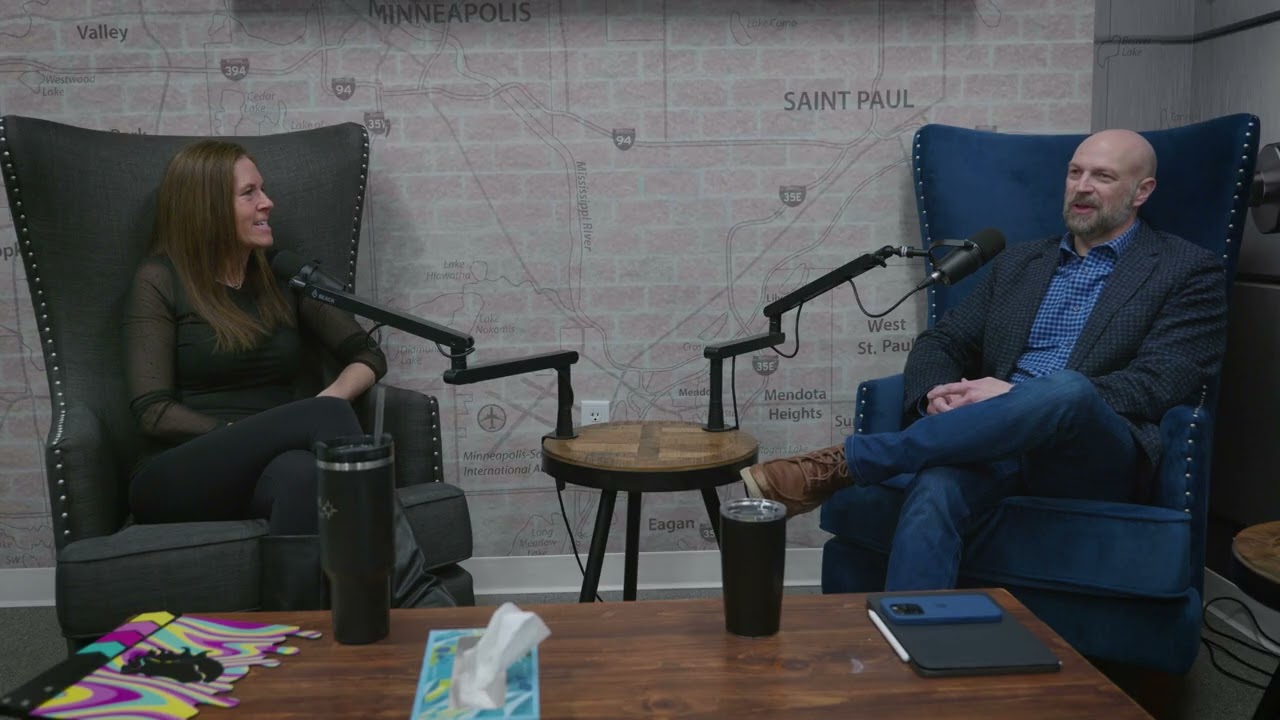
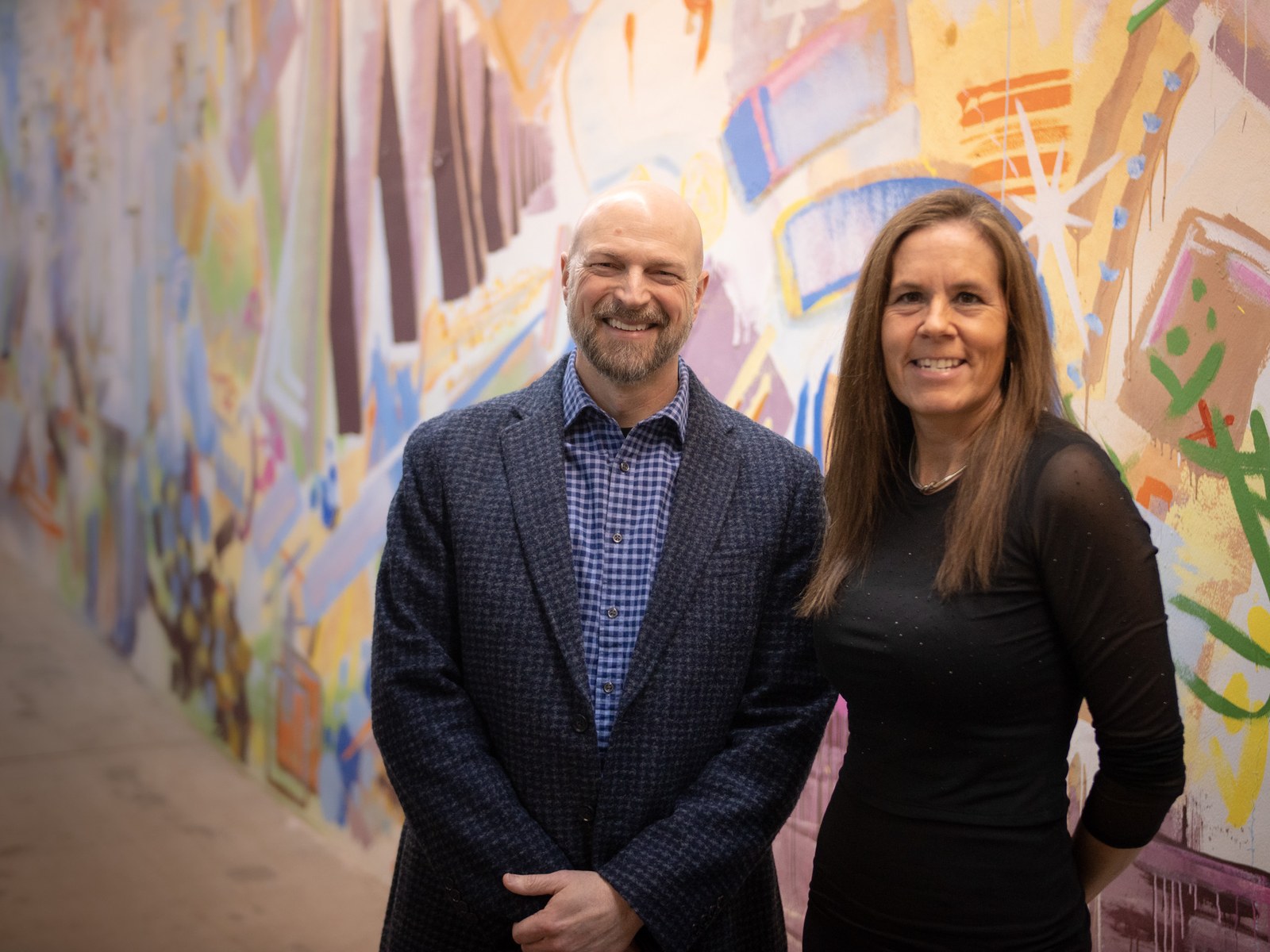
Hello everyone. I'm Karissa Dunham with Shining Light on Minnesota. Today we have a special guest with us here today. Niels, welcome. Thank you. I'm excited to be here. Yes. So, let's tell all our listeners a little bit about your coaching and what all that entails and how you got into it. Right on. Thanks for that. Uh, so I'm an executive coach and really the way that I got into it was through the military. So, I spent nearly 22 years in the Army National Guard. uh got out in late 2017, but throughout my career, I saw lots of great examples of good leadership. Yes. And not so good leadership. And so, you know, and everything in between. And so, when I got out of military service, uh I was really um inspired by the impact that leadership can have and that's what really brought me on my journey to uh become a coach. And of course, the other thing that I discovered while I was serving was positive psychology. So about 15 years ago, I was a company commander with troops getting ready to deploy and at the same time the army was working with Dr. Marty Seligman and the University of Pennsylvania. Dr. Seligman is considered the founder of the field of positive psychology and they were working to create what I came to know as master resilience training. And so that was my first exposure to really to resilience as a as a formal academic concept but to the field of positive psychology in general. And so that's what I've done most recently. I've completed a masters in applied positive psychology. I've worked directly with Dr. Seligman. I'm actually an assistant instructor for one of his courses. And so that's what informs my coaching is positive psychology and all of the tools that are available to help leaders really lean into positive leadership. For sure. And with a positive leadership, I mean, you see a lot of people wanting to go to that next level but not quite getting there, not knowing the right routes to get there. How do you when someone comes in and says, "Hey, you know, I want to make it to that next seauite or I want to make it to that next level. I'm just missing something." What do you tell them when they're looking for that? Great question, and it's one that we certainly hear on a regular basis. And it's often a function of the habits and things that we've learned have gotten us to a certain point, but they're not going to get us to that next level. Right? And I think about some of the lessons that I learned early on in my career, which were were not great. uh things like never say that you're wrong, never apologize. I mean, just terrible advice. And that's not what people look for these days, you know. And so, one of the first things that I'm helping leaders do is understand their own value system. Uh and in particular, understand their own strengths. And when I say strengths, I'm talking about literal character strengths. So, not just um a place of I'm really good at time management or you know, things like that. Um what are the character strengths that really get me into my gift zone? And so as a leader becomes more self-aware with those skills, they can also tune into what helps their team do their best work. And so it's a comprehensive process of of course that self-awareness and that self-evaluation, but then picking up the skills and habits to really connect with their team in a way that helps them feel seen and valued in the workforce, which is important because when you come from military background or any background like that, I mean, my father was um he was a commander in the army, served a lot of time, was in the 101st Airborne, came back from Vietnam. You learn that mental toughness. Absolutely. And that is a phenomenal strength to have, but you also have to be able to embrace the change, embrace all the obstacles that come along with it. Why don't you tell some of our listeners a little bit about your military experience and how the mental toughness and all of that came full fruition? Oh, yeah. Absolutely. You know, that's such a good point because I think one of the things that I learned early on in my military service is that there's always a little bit more. you always can do more than you that you thought you could. You can go a little bit further. I first learned that in boot camp that there's always a little bit more to give. And so that sort of inculcation into that ethos carries one through their their military career. And I think about my deployments and the long hours and there's always just a little bit more. And so that mental toughness is not just gutting it out, which I realize is a habit that I have now that sometimes I can overindex on. We'll just cut it out and push through. Uh but it's also instructive of how we can tap into our strengths and that's where it starts to come full circle to the positive psychology and and resilience training. Absolutely. And I know with coming full circle you know obviously you're tapping into all the positive assets that you have but trying to learn and figure out which ones those you're good at and which ones you can build and learn on. What are some ways that you see people or you tell people, hey, when they want to embrace the change and go through the obstacles, but they want to find the good and find the flow that they can reach. Oo, love talking about all this stuff, especially flow. Yeah. Um because flow is really where we can do our best work and that's that whole sense of getting into you lose sense of time because you're so just wrapped into into what you're doing. Um, you know, it's there's a lot of things that go into that. Um, and I think that it's not just about uh understanding character strengths, but I think a couple of the things that uh that help us start to get into that flow are our reactivity. And that's what I find myself doing a lot of work lately. And uh I'll even use the word mindfulness, which starts to scare some leaders, but uh it's it's not all touchy, feely, fluffy, new age stuff. It is part of that mental toughness to be fully present in the moment with not just what we're experiencing, but how we're reacting to it because if we just let our default reactions show up, it's not always going to be the best things that we need. And so, um, that's why I talk about mindfulness as being key to being able to to navigate those tough situations and start to really, uh, lean into and leverage that resilience. Well, it for sure is important. And I mean, when people go through things in life, it's it's how you look at them. Is the glass half empty, half full? Is it, you know, are you going to find the good in the situation and learn from it? Or are you going to just dwell on what's there and kind of just say, "Poor me and I'm the victim again." You know, like a lot of people do. But I mean, I've always learned and I was raised to, you know, find the good, find the good in people, find what's next. Learn from the mistakes so they don't happen again and again. I love that so much. Absolutely. And that's the thing that I find myself talking about so often is that there's always a lesson if we're ready to to learn from it. And I love how you mentioned that really it's about reframing the situation. Am I going to choose to be a victim and get stuck in that mindset or am I going to find what there what the gift is here because there's always a gift to learn from? You know, even looking back at the pandemic, I mean, it's not something that any of us ever would have wished for, but there's been positive things that have come out of it. Yes, there have. you know, and so I think that um again reframing and being able to to look for that lesson is is critical, but it also makes me think about what a lot of people are experiencing right now um with so much uncertainty. You know, I um recently discovered the world uncertainty index and uh this has been around since about 2008. Uh it covers about 143 different countries and really what they're measuring is uh global political and economic uncertainty. And so, um, that has an impact of course on how we make decisions, but that's what a lot of folks I think are just on the individual level, on the micro level, at least a lot of the leaders that I'm talking to, uh, and the uncertainty feels different right now. It does. Um, but I think there's probably going to be a lesson and there's something to be gained from that challenge. And getting back to the mental toughness, how do we rise to the occasion? Absolutely. And with with the mental toughness, with all the the change that's going like as a country, as a company, as a person, how can you grow from it? Like what what are you going to see that you can find that you can take with you to the next step? Because there's always those obstacles and the es and flows. So, how are you going to make it to the next level? And I think that's important for a lot of people to try to embrace too is that the change that's always there. Absolutely. I mean, that's the things, you know, the only constant is change. It's a cliche because there's some real truth there. Yep. So, with with getting into the psychology of things, how did you decide? Obviously, you had some great mentors along the way. Tell some people a little bit about your mentoring that you do now and how how people can take it to that next level. Oh, sure. Um, so the mentoring that I do now is and of course that's different from coaching and I can talk people off about, you know, the there's a lot of distinctions between mentoring and coaching. you know, mentoring tends to be a little bit more advice driven. Um, some of the things that I've gotten the privilege to be involved with is Bunker Labs for one, a great nonprofit focused on veteran entrepreneurs. And so, there's, uh, some great mentorship that I've gotten to do in that capacity. And it gets back to um, of course, being an entrepreneur, you certainly need a lot of mental toughness. There's definitely a lot of change and there's there's a lot of resilience that's required. Uh, and so that's uh, one thing that I'm always passionate about. Being a veteran myself, of course, I I care about um being able to help other veterans uh navigate um the entrepreneurial space and especially with so much uncertainty, as we've already talked about, you know, there's always uncertainty as an entrepreneur, but uh in the greater context of what we're all experiencing, it's important. Well, I think a big step too, what a lot of people don't realize when they don't have the veteran or the army or the military background is the change that when those people decide, hey, military is not right for me. I'm going to retire. and or I've had, you know, uh I'm medically discharged. What now? Like you get to that state or they have the PTSD, they have all the life lessons that now they have to work in the real world and try to get back in that mindset. Oh yes. Um really speaking my heart with this one because there is so much that that goes into that transition. When I think about my own transition and when I decided to hang up my combat boots, I'd been in uniform over half my life. And so intellectually it made sense because my twins had just been born and I knew that the division was about to deploy and it just didn't make sense with what I could tell the optempo was going to be my young family and so it just made sense to try to to take a knee. Boy, was that harder than I expected. You know, and that's in in sort of the scheme of things, that's probably an easier transition. You know, my younger brother was a Marine and was in Fallujah and and dealt with some really tough stuff. And I think, you know, everyone's journey is different. Um, but I think he carries some different scar tissue than I do. Um, metaphorically speaking, but I guess literally, too. Um, but yeah, it's that transition that I think uh we we can all what I'm grateful uh for Minnesota is just the way that we take care of our National Guard soldiers here in particular. And so I think that's what is key to any kind of transition, but especially leaving military service is having that community to lean into because there's so much identity wrapped into uh that whole career path. Yep. And I mean, the way I was raised is always, you know, it's it's a thank you for your service. No matter who you are, what you've done. You don't know anybody's life story or where they've been, no matter where they've been in life. But the ones that have obviously put in the time for the good of the people and or have family that have paid the ultimate sacrifice. There's there's nobody else out there that has that story to tell. Right on. Absolutely. So it's important with the transitions everything like that that people do see and recognize the strength that obviously veterans military have done have have been a part of but I think that the giving back aspect that a lot of them when they come out they want to help other veterans that are out there too and let them get through the transitions just be there be that support system because not all the time they don't have somebody when they get out. Right on. You know, and I think that's a you're touching on one of the things that I think is the ethos of certainly National Guard Service is taking care of those around us, taking care of our community, and caring about being part of something bigger than ourselves. And so, I think you're certainly speaking to my heart and how I felt getting out of service and why I volunteered with Bunker Labs and why I continue to be involved with those kinds of initiatives because I I want to help others on that same path as well. So, let's dig a little bit deeper now into the coaching aspect that you do. Um, for companies that are out there, people in general, how do they reach out to you and what are some of the steps that you take them along on the journey? Right on. Well, the easiest is on my website, neilscott.com. Uh, spelled the Danish way, but I'm sure we can put the link in the show notes for sure. Um, so that's the easiest. I'm on LinkedIn and so those are the easiest ways to get in contact with me. In terms of working with the company, u, you know, I'm starting a Mindful Leadership Lab in May is our our next iteration. This is a six-week program that arms leaders with both the science and tools to find some presence and mindfulness and resilience in their own lives. Yes. Um so that's one of the things that uh that I do with my uh co-f facilitator. Um but the other thing that she and I love to do is work with leadership teams to build the kind of trust and performance in their organization that they need. Right? You know, we've talked a little bit about um the world uncertainty index and just these feelings of uh uncertainty about the future and what's happening with the economy and with the the the global stage. And so this is where leadership really becomes critical that leaders can show up with integrity and authenticity and really build the kind of culture that people can do their best work. And so what she and I do are we help uh leadership teams build that trust and performance and work on their communication skills. Uh we also do um some other bespoke uh solutions from uh building custom retreats and and and off- sites and those are the things I get really excited about that we can create the kind of space where leaders can get together and and uh really be vulnerable and authentic with each other. Yeah. which is important because it's not only always well it is about team building in your own company but it's also having that safe space or that space to go like talking to other leaders and just getting out there in whether they're in the same field or different fields everybody's going through those obstacles. So, how are you how are you routing around the es and flows or getting back to the office from working remote? Like, what does that look like now? And how can we help bring that team back to one? Exactly. It's normalizing that that humanity. I mean, it's it can be lonely at the top. And so creating that safe space is is so important for leaders to be able to learn from each other and lean on each other. For sure. Um, so I saw you at a networking with purpose event. How often do you do networking and what do you see for people that are out there that are trying to get back to work and that are trying to reposition into different career sets? There's lots of trends. Um, and I think, you know, I network probably once or twice a month. In fact, I'm doing the uh uh coffee with purpose uh this Friday, this week in fact. So, I'm looking forward to that one. What I like about events like that is that showing up with the intention to give rather than looking for what I can get is is critical. Uh it's completely shifts the mindset of of how we're showing up in that space. And so I think that's just at the individual level. The first thing that I just want to highlight for folks is we've we've talked about mindset a little bit, but that's another key mindset to take into the workplace because I the other trend that I'm seeing in the context of this uncertainty is that folks have a lot of fear. They do. They don't know the unknown too. Yeah. You know, and so um there's lots of emotions that come with that that that aren't great. And so um irrespective of what is happening with career changes and with techn technological changes and AI is just incredible these days and what it's capable of. It's still a human experience at the end of the day and we need to be able to navigate um what's happening internally in order to show up and do our best work and to overcome that fear and do our best things. So I feel like that was sort of a broad and vague answer. No, that's good. I think those are some of the key starting points. Well, I think what people don't realize, I mean, I this is probably going to age me a little bit, but that's fine. Back when I was younger, I mean, we didn't have a lot of the mental health issues. Well, we did have them, but they weren't discussed. They weren't talked about, you know. So, you have that. You have all the different things that are people are seeing and feeling instead of hiding it behind the closed doors. Let's get it out there. Let's talk about it. Let's try to heal some of those things that are out there, too. Oh my gosh. So important. Absolutely. you know, um I saw that change throughout my military career as well. And even by the time I retired, I I'm sure it's still on the security clearance form, but you have to answer if you've had any kind of mental health issues. And so that there's a stigma built into that. But the thing is, we all have scar tissue. Yeah. We all have to navigate difficulty throughout our lives. Yeah. Uh and so, um what concerns me about generation Z is that as they're coming into the workforce, they really are in mental health crisis. Yeah. And so, to your point about just naming it, um we have to start there because that's the way that we're going to start to remove some of that stigma is to just be just be honest. People are struggling. So, then the question becomes what do we do and and how do we get through that? And you know, one can have a a debate on whether they're really experiencing higher rates or we're just reporting more rates of mental health, right? I think that the evidence is pretty clear that they're actually experiencing higher levels. It's not just a reporting concern. And for me, that gets back to community and it gets back to technology. Um, for those that haven't heard of Bob Putnham, he wrote Bowling Alone forever ago. And there's actually a great Netflix documentary that came out a couple years ago. I think he called it Join or Die. Y but he tracks societal involvement in in community uh organizations and he uses bowling is sort of the obvious thing that's why it's the title of his book but he actually tracks it back to about this the advent of the television and that's where things started to taper off and and it's been declining ever since and so I think that's one of the things that contributes to some of these mental health crisises. Social media is we all know that screens are designed to be addictive, right? And we all know that social media can have a pretty negative impact when we're stuck in this comparison game and we're seeing what we think our lives should be and we're trying to measure up against perfect and their life is perfect on the internet and everywhere else. Right? So what's wrong with me? How come I can't do that? How come I'm not experiencing the same thing? I think all of that contributes to these same mental health concerns. And so that's where I get back to this authenticity and and just being vulnerable. the human experience is it's messy, it's complicated, it's uncertain. Yeah. But if we take care of each other, it makes it all so much easier. Well, and I think just being able to dig deeper and asking those questions, just asking people, you know, how how are you? You know, the basic questions like I genuinely want to know like are you are you all right? You know, the saying sticks and stones might break my bones, but words will never hurt me. Now they're on the internet. Now you see those and they do stick and they do hurt and people don't realize that it is there. It's in front of you. It's it's a real it's a real thing for sure. Absolutely. I couldn't say better. So when you do your coaching and when you get out there and try to reach more people, what are some of the stigmas that you see or how how is the world changing in the coaching life cycle? So I think the first thing is being ready to ask for help. And I think that that's one thing once people recognize that coaching is an incredible secret weapon. It's an accelerant. It's what helps people get to the next level in their career, but it also comes with some vulnerability. Recognizing that we need to change y internally. Uh and so what I've seen change throughout, you know, the last several years is that there's there's a recognition that coaching can be powerful. And I think it's even beyond that. It's getting back to what we've been talking about, just this shared humanity and be able to have have a conversation with another person. To me, that's what's always fascinating about coaching in particular, is that just being in space with another human and sharing authentically what's going on, right, makes things suddenly so much easier. It it sounds a little silly sometimes when we say outside what our problems are. And once you can laugh at it, then you can start think why where did this even come from, you know? Right. Exactly. Yeah, definitely. Well, a lot of it too, I mean, is obviously being able to have those conversations, to get out, to want to be face to face with people, to just enjoy life, get out, have some nature, take in things, but really be present. Absolutely. Absolutely. And I think with people, I mean, one of the things that I keep hearing over and over when people are meeting and networking is like, okay, take a step back and just be present in the moment. Stop what you're doing. Try to refocus, reset, because otherwise the burnout is real. You do you do handle that in every everyday life no matter what you do. That's the thing. You know, one thing I heard during the pandemic that's still sticking with me, uh I was listening to Bnee Brown's podcast and she was talking to the Nagoski sisters who co-wrote Burnout. Yeah. Uh one of them said, you know, the one of the myths about burnout is that the antidote is self-care. That we need to just refill our own cup. And and of course we do. Yes. But it turns out that the antidote to burnout isn't just selfcare. It's actually community. And so it's important that we remember that we're tribal creatures. We need each other. You know, this is why community is so important. But the other thing that you said, well, there's a couple of things that that really speak to my heart is being present, of course. Um because I I think that's key to unlocking that humanity. But being in nature is another way to to reset and recharge. You know, we've got this incredible gift of the Boundary Waters here in our state, you know, or just even out your front door. You never know where you're going to go. Just get out there. Exactly. It's as simple as just getting some fresh air, getting a little bit of sunlight. Um getting outside. Right. Well, you hear more and more about like the people that are like just grounding like that are dealing with things that just want to get out there and just get out of the normal life, have a new change of scenery. Whether it's, you know, going to a different room or it's going to a different state or different city or getting in your car and driving, whatever, whatever your why and purpose is, try to find it and do more of it. Oh, that's the thing right there because purpose is such a powerful driver. And when we can better understand our purpose and tap into that, y man, incredible things start to happen. What are some of your wise and your purposes that keep you going every day and want to help you help other people, too? Lovely question. Well, I've already talked about the impact of leadership, and that's part of what gets me uh gets me excited and motivated because a leader that is willing to be authentic and willing to understand positive leadership can have such a tremendous impact on other people's lives. And so, for me, that's one of my biggest wise, my biggest purpose is that I really want to help leaders become the kind of leader that others want to follow, right? Because that can be just transformative. We spend so much of our lives, so much of our time at work. Mhm. The last thing that we need is for that experience to be draining because it has trickle on effects to the rest of our lives. And so that's the other reason why leadership is so important. You're really impacting people's lives uh in so many different ways that we are often oblivious to. You never know what someone else's journey is, what they're carrying, what they're what they're going through. So I think that's my biggest thing. Um but also just the conversation about getting outside. I get very excited about Nordic positive ritual. You know, my my name is Danish. I'm named after my great great-grandfather who was uh first over from Denmark. Um and part of my capstone was about Nordic positive ritual and a piece of that is is just leveraging what nature can do for us to reset and recharge. And so that kind of ends up being part of my why and my purpose heading up to the Boundary Waters in about a month again. Actually going a little bit early this year. So we'll see if ice is out. Well, Boundary Boundary Waters is changing too. I mean, from what I've heard, they're selling some of the land and everything's changing, but it still is as a whole what it is and what it's meant for, whether it it shrinks up or everything like that. Then you just find a new Boundary Waters to go to. Right. Right on. Exactly. Traveling wise, have you done any traveling lately or what what do you see with that? And where do you see like coaching in other areas and other necks of the woods as well? Right on. Well, I think coming out of the pandemic, there's still this uh hunger to be together and so I'm I am traveling more often, especially for the executive team work where we're working as a group. Some of that work just is so much more effective when we're in person and can look each other in the eye and just have that human experience together. And so, I'm traveling a couple times a month lately, it seems like, um especially for that that kind of work. Coaching uh is still pretty effective online. And so, I I I still find myself doing a lot of it virtual. Um, I always appreciate the chance to to coach in person when it fits. Yes. But, uh, you know, but the tools are there at your fingertips when you do it online, too. Just as easy as anything else. Right on. Speaking of the gifts of the pandemic, that's one of them. A great recognition that we can have those those. How do you see or feel that the new genzers versus some of the millennials, things like that, incorporate the change and want to actually get together in person versus finding the good and let's just let me have it on my phone, let me have it on my technology, on my iPad or whatever that may be. Right. Right. So, when I was first learning about the differences between the millennials and Gen Z, and in my mind, I was sort of lumping them together as as the young kids, but that's actually not really fair. There are some there are some differences between those generations and we give the millennials a lot of crap that they're so entitled and me first and you know some of us deserve no but I think for Gen Z there's this idea of uh of the blending of the physical and digital space even before the pandemic and so it's it's harder to get them to connect um in person there's just this tendency to to do things online y um and I I think that can have some detrimental effects long term. But again, we're still tribal creatures, right? We still need each other, you know, and I think that's part of why social media can hurt is that it it offends that that same pain center where we feel physical pain when we're hurt on a social level. But the problem is that we're sort of behind a screen. We're separated physically from another human being. Yeah. I mean, it's great for the connection. Like I could have friends all over the world and have a lot in common with a lot of people, but like you're saying, that emotion isn't quite there. like you you can't what you see, what you type isn't the same as, you know, actually being able to be in a room with someone and be like, "Wow, I could really feel how you're feeling." Now, let's let's dig a little deeper. Let's see where that's coming from, what that stems from. Right on. Exactly. What do you think are some of the obstacles that are coming to in the executive world, in the coaching world as far as uh AI, robots, technology, things like that? Yeah, that's a question that's happening a lot lately. Uh, and I've seen some friends of mine actually use AI to create a a digital version of themselves and sort of, you know, AI coach Sherry. And so I think that that's interesting. It's never going to replace, well, at least I don't think it can replace the emotion of another human, the human connection. I think that it can be a way to at least in the moment prompt some self-reflection and some self-awareness, which is one of the keys to coaching. That's one of the benefits is is being able to have that space to to do some of that introspection and self-inventory. And so I think digitally we some of those things can be accomplished, but there's no replacement for a human being there with you and feeling with you just as you were saying a moment ago. Uh and so I'm I'm interested. I'm excited for what's possible and seeing what's coming. I mentioned my mentor um Dr. Selgman. One of the first things that he shared with us when I met him was that a grad student of his had taken all of Dr. Seligman's published work and trained in AI to be a digital ask Marty and it was absolutely fascinating. Um and so he was excited to show us this tool and and get us to play with it. Uh and I asked him well how do you feel about this? Right. Uh and he's like I I love it because first of all uh it doesn't forget things right. It's genius and my I don't remember your name from one day and then the next. It's got instant recall. Exactly. You know, we're all humans. Our memory is fallible. And, you know, over his long career, he doesn't remember some of the first things that he wrote. And so, that's got that instant recall. Uh, he also said, interestingly enough, it's got a little bit better bedside manner than he does. He can be a little bit of a gruff guy. And true statement. Yeah. Like, I'm going to It's not going to quite catch those rough moments or those edges when you're when you're handling those face on. Exactly. So with the military background, everything like that, with technology the way it's going and people trying to reach out and help more people, do you see that that in the world of the military transition is going to be helpful? I certainly hope so. I think above all else, I'm an optimist and so I'm always going to look at that with us grow. Yeah, exactly. Well said. For sure. Um, and so I think that the more tools we have, the better that that transition will go. I mean, again, everybody's journey is different, right? Everyone's needs are different. Uh, but we've got newer, cooler stuff to try to to work through it. What do you see that's obviously you're talking about what's coming out in the future with some of your processes and changes. Do you have anything else in the mix that you want to do? There's one thing that I'm working with another retired Army officer. uh we haven't quite landed on what we're going to call it, but we've been talking about building retreats uh to to fight toxic masculinity. And so we're still in the idea phase for this. Uh but as we talk about the uncertainty and we talk about some of the mental health challenges especially that the younger generation is facing, one thing that I feel like has always been a problem is is I mean for lack of a better name for it is toxic masculinity. Yeah. And it gets back to, you know, that crappy advice that I got as a young lieutenant. You know, never say you're sorry. Never apologize. Never admit that you're wrong. Suck it up, buttercup. Let's just keep moving on. Let's go. You know, right on. Yeah. And that's so not helpful. None of us have it all figured out. None of us have all the answers, you know. So, well, I think a lot of it, I mean, even in this day and age when people are lagging behind or they're working a little bit slower, there's something there that's holding them down instead of just staying on top of them. and let's get on to the next. Let's work through that process to see what the actual issue is or what what's holding him up. Absolutely. You know, I can't help but share just another quick story about my brother. Um because after he got back from Iraq, uh he was he was not doing well, right? And anybody could look at him and see that his performance had changed. Yeah. But did anybody say anything? No. You know, and that's the thing. And that's, you know, because they know that it's there. They just don't want to open that can up. They don't want to have that conversation, right? You know, and man, he has he's doing a lot better now and I'm so proud of him and of all the work that he's doing, especially, you know, speaking of helping other veterans through the transition transition, that's a lot of what he does now. And he's great at reaching out to his brothers and sisters in arms uh and seeing how they're doing because uh just as someone didn't ask him at the time when it could have been so impactful, right? Uh there's no better time than now. Well, you don't want to see somebody hold something in especially like that. I mean, when people come out of the military or going through it or on the front lines or whatever it may be, they deal with the IEDs or they deal with seeing things that they should never see and deal with. That's not something that should be held in. I agree. I mean, I know it's not the way they're trained and the way they're taught, but let's let's find out what they're going through. Let's just ask and dig deeper. For sure. Absolutely. Couldn't agree more. So, what do you see? Obviously, let's talk a little bit about what's coming up in May for you guys and a little bit more about your mindfulness and everything like that. Yeah, thanks for that. I'm super excited. We've had a couple of great runs of this so far. And so, I as we get ready to launch the next one, it's a six-week program. Y again, it's called the Mindful Leadership Lab. And so, it's a combination of science behind mindfulness. There's a bunch of online content that we provide as part of the program. Uh but the other thing that we do is we build community and so we have a couple of facilitated calls a week. We meet on Mondays and Fridays and there's a journal that we provide. And so part of that Monday and Friday check-in is it's both planning for the week at the start of the week and then it's a reflection of the week at the end. And so uh this uh self-guided journal is is a great way to both learn from the tools that we provide with with all the we've got a pile of videos. There's so much content packed into this course. Yeah. Um, you can't possibly consume it all. And so, you know, I don't want to overwhelm people, but part of the the journal and part of the the calls are to help folks recognize what is fitting and what's working and helping them to getting back to reframing and and getting out of victim mentality and getting out of being reactive, what is working, what's helping them uh better navigate their their week. Well, and I think with the tools to always have opportunities to learn and grow from things because what is working today obviously isn't going to work tomorrow. Right on. And you may not be a leader today, but you might be one tomorrow. So, let's let's put the tools in your hand to make you grow and to help you as a company, you as a person, and just the world as it is. Couldn't agree more. And that's the thing is, you know, even I feel like leadership is not necessarily uh always a formal title or position. Anyone can be a leader. And it really comes down to influence. Y what kind of influence do you want to have in your life? Um because any of us uh I mean I'm all about living life by design rather than by default, right? And that's one of the ways is anybody truly can be a leader. Well, and I think it's important too when people are out there and when they are impactful in people's lives, whether or not you think you're a leader, you're helping people. You're you're teaching people and you're connecting people. And I think that's that's kind of the name of the game is how can I help, but how can how can we grow? Absolutely. Couldn't agree more. Just showing up is is critical. Well, and with people with all the uncertainty not having the drive or not knowing the whereabouts to let's get out there, let's try to do it. Or this is a big step for me to actually get back out and meet with people and connect with people, knowing how to do that, what works, what doesn't. But just taking that first step, right on. And keep going. The first step is the hardest. Yeah. And as long as you keep going, it doesn't matter the pace. Just keep moving forward, I think, is a big name of the game. Right on. Absolutely. Well, we appreciate having you on today. Is there any way that people can reach out and get a hold of you? Obviously, you were saying on LinkedIn, they can reach out find you on different social medias as well. Uh, right. My website tends to be the easiest. Um, I find that the others can be a little just too all-consuming and so, you know, I get on the the Instagram on occasion. I don't bother with Twitter. It's just too much uh too much garbage and too much distraction. Yeah. So, those are the primary ways. Hit me on LinkedIn or or my website. Perfect. Well, thank you again for coming on today and we look forward to having you back on maybe after the mindful process starts and to see how that goes and what people take from it. Thanks for having me. I'd be delighted to come back. I really appreciate the conversation. This has been fantastic. Thank you. [Music]