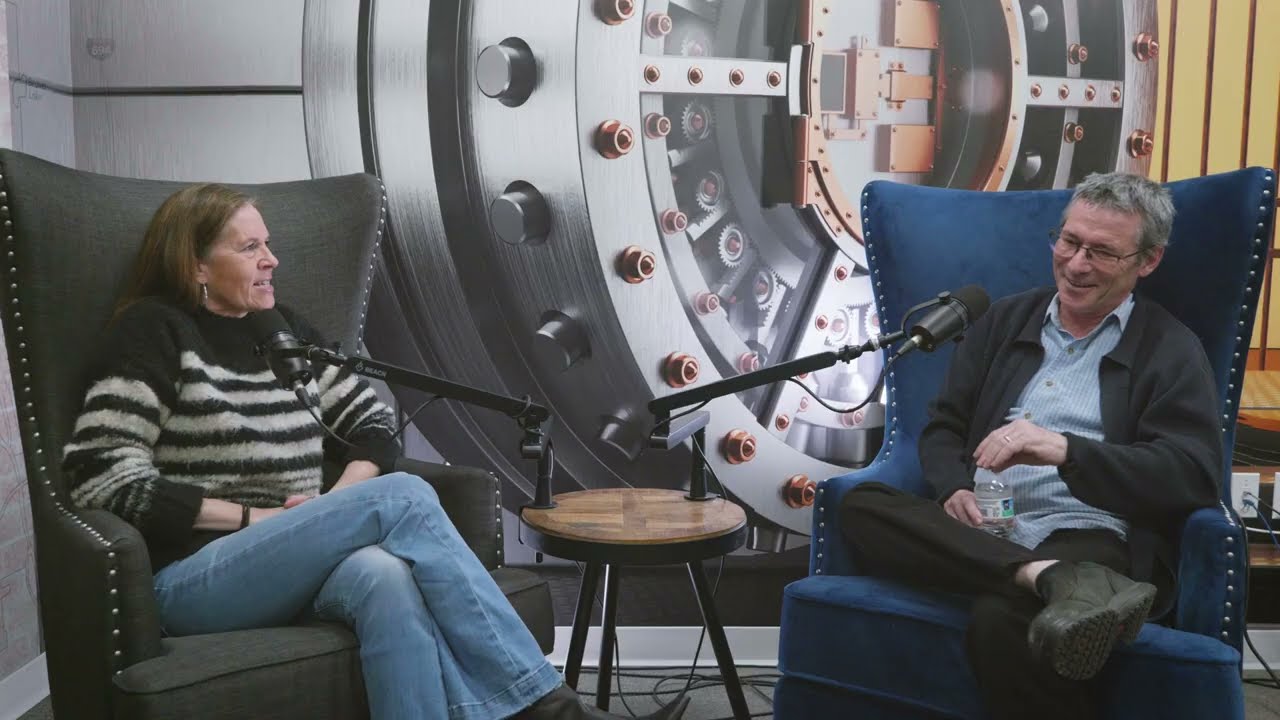
Hello everyone. I'm Karissa Dunham with Shining Light on Minnesota. Today we have a very special guest, somebody that I see all the time, very frequently, John O'Phelan with Ramsey County. Welcome John. Welcome Karissa. Thanks for uh having me here. This is this is fun. Yeah, this is a new experience podcast. Yeah, super exciting. So let's start off by telling our viewers and you know, everybody listening a little bit about what your role is at Ramsey County and what all you do there. Yeah, some of the work uh I've done basically the last 20 years, but uh especially the last five has been a concentration of uh I did a lot of years with workforce in the construction industry. Getting people into uh you know different careers and figuring out their you know where their uh past experience can be uh transferred. Yes. And how to get trained for their new careers. And um built great relationships with uh all the unions that are out there that do apprenticeship programs. uh loads of contractors that look for that workforce, that quality workforce and um and also just um you know other businesses. I've um schools, lots of community training programs. Uh I'm a data guy, so I'll just go uh one more further with this. Yes, there is about 50 touch points of construction career training just in our metro area. That's amazing. So uh I'll break that down for you. Yes. Uh 23 are um joint apprentichip training centers, which would be the union apprenticeship training centers. And then we have nine community technical colleges in our area. And then there's typically about 20 community- based programs that teach some type or some form of construction or hands-on related to uh our industry or uh you may hear me talk about the energy and environmental industry as they intertwine with each other. So that's a lot, right? That is a lot. Nobody realizes that or when you sit back and think about it, you're like, I didn't even know all that existed. I mean, you do because you see it every day and you're out there doing it every day. What do you see for people when they're out there trying to transition or trying to get into the construction world? What what paths have they been taking lately or what do you see them doing? Well, the trends that um well, our current trend right now in our in our industry in the construction part of our industry and a little bit of environment and uh is um is a little bit pause and hold. Yeah. So, people are saying, well, what now or where do I go or where can I get some uh uh some beginner um some beginner, you know, career steps or how do I transfer because right now we're a little bit on a pause and hold. And so, um, we've been trying to explore with folks, um, you know, what what does this mean in regards to like building maintenance positions? Yeah. What what type of, uh, energy uh energy and um, oh, I'm I'm pausing here because I'm I'm thinking of some other um, uh, things like parks and wreck uh, positions. things that you're kind of outdoors uh soil and water technicians, things that are maybe not attributed right to our construction trades, but how do you take that person that wants that hands-on, be outside uh you know, play around a little bit with some technology maybe? Yeah. May maybe go back to the lab or the office or uh or just stay on a little hybrid. Kind of both, right? Yeah. A little bit of hybrid. Yeah. So, um, we're trying to figure out where does that person fit in this current pause and hold, right, economy for them? Is it really going to be the best step for them, too? I think that's the other side of it. When you're out there trying to find the right position, whether it's hands-on, out in the field, outdoor, is that ideally what lane that they'd be a good fit for? They might think that they are, but it's sometimes trial and error, too. So, it's interesting to see how that all revolves. Yeah. and personality types. I I will sometimes speak in classrooms and I talk about that. I I'll show pictures of somebody on their on their knees inside saying, "Are, you know, are if you want to be a floor cover, you'll be able to see your artwork." Yeah. You're going to be on your knees all day, but you might be at Five Below um laying a floor or do you want to be outside, you know, on a roof? Yep. Outside all the time in the summer, in the winter, whatever it might be. Yep. You know, so it really is it it becomes our uh our own personal passion of where we see ourselves doing that. Well, and they have to see the highs and lows of what's included on any job just like your everyday life. Like there's going to be the es and flows. Yes, it might be beautiful that you're out installing floors or you're out, you know, doing roofing, but you have to think of the heat, the weather, the dexterity, like all the different movements and trials and tribulations that go along with it, too. It's not just a beautiful world. Yeah. the elements. Right. Right. So, yeah. So, we um uh we look at a lot of that with our with our folks that uh come in. We we are seeing a more of an increase of folks uh just trying to figure out like where do I fit in this economy because we're kind of slowing down here. And so, we know training is going to be really more important right now, right? Um trying to shape shift that person into their next their next career path. Well, not everybody knows or realizes, you know, the the shifts that are happening, the pauses that are going on right now once they are trained and fully ready for that position. It might be a different position when you get out there than what you're actually expecting to to be at. So, yes, that's right. The technology, right? So, right. There's a there's an interesting term uh uh that um that I've used with some other folks, but it's the econometric model. Okay. And econometric is using uh economic theories, mathematical theories along with a little bit of social concern or social variables or environmental variables that might lead into that. So in our industry, we all know uh there's there's politics, there's climate, yes, there's uh retention, there's retirements, there's um you know, it's all uh attributed to the supply and demand factor for sure. and when do you and how do those flow throughout those different uh elements those variables within that model. And so that's been uh that's been a interesting thing in my career to try to crack like how do we crack the supply and demand? So absolutely. Well, and the different generations that are out there too from the Gen Z's to the Gen Xers, the baby boomers, everything like that. How do you make them all work together handinand? That's that's its own niche, right? That's right. which is uh I think yeah we you were with you were there we just had a a generations in the workplace for the construction industry talked about the um the what is the exers the z's the millennials and the boomers and uh where they all play a a key role we know technology and the younger generation is important and it's important to our industry and and in fact in the associated general contractor's annual report technology always comes out as a very high um uh rating for a positive change. Yes. Yep. But uh and we've had um we've had actually symposiums about technology. How do you get into it, right? Is it drones? Is it BIM? Is it you know autonomous equipment? Is it robotics? Or is it training the technology? Like you're still a people person. You still have to know it and understand it, but to get out there and just jump in and try it, too. Jump on and figure it out. And those those generations do have their different um their different pieces. I I was in a concrete uh manufacturing facility a couple years ago and you know the person who's finishing concrete is almost running a control thing like an Xbox. Yeah. Yep. And it's all AI generated. The floors level. Here's your highs and lows of the flooring. Yeah. Yep. Yep. Well, it's it's interesting too. I mean, with with all the gaps that are out there and seeing the younger, well, more specifically, the older generations that are or were expecting to hand their businesses down to their family, to their sons, their grandkids, whomever it is. And the younger generation have seen the highs and lows and the trials and tribulations of owning a business and where you're at, where you've gone, whether it's farming or construction or whatever, and they don't want anything to do with it. So, then it's like, okay, what do I do? Like, this is my baby. Do I sell it? Do I try to find a a buyer and still work here? You know, what what does that look like? Yeah, succession planning is something for all all industries that are are just critical because you do um I I grew up in the food industry. I still kind of play around in it at the farmers market. Uh but uh you know, just watching a real good friend of mine run that restaurant uh and run the farmers market, run the state fair stands and all that stuff. and spending all that time is uh it it's it's tough and so you have to get that right that right person that wants to well people themselves people look at you they look at me they see connecting people that are out there in the communities all of the events that you've been doing lately all the time put into it a lot of times when people are out there they just see hey you know John's out and about doing what John's doing but they don't see the backend stuff like hey I've got six events I'm trying to put on trying to host trying to make sure people show up for whether it's training and everything else. Tell people a little bit about your role in having those events and how or what those processes look like. Yeah. So, another part of my job, we spoke a little bit about workforce is is b small business development and um and in both areas, well, that's been about the last five years, even though I used to lean I I I still lean a lot on Barb Blau from the Association of Women Contractors and we've been uh throughout the years on projects where I kind of come in a little bit as the workforce expert or as a small business expert and we're able to ask questions and the way I've been able to understand questions or ask questions or have a deeper understanding of it is all the people have taught me along the way, right, to say, you know, and to show me how our industry works. Let's see how it's done. Yes. And uh so that has that has been a um a very great blessing in order for me then to do the role of a connector. I consider myself a connector and um love being in the background. love planning the events, but then like that's what I was saying earlier, it's hard to be on the podcast because I'm usually not out in the front, but uh love love just knowing that we're pulling people together and that people are able to make connections to make that next move, right? And um and so on the small business side, I'm not sure if I'm answering your question, but it reminds me of the small business side is once you get people connected, you know, what happens then? Are they able to get a contract or are they able to get a connection that maybe later on leads them to a contract? Um, this this stuff is all about human behavior. Um, I talked to a lot of businesses about this is um, you know, I call it planting seeds in the desert, right? It takes a while to have them bloom and you still have to come and plant them and work them and be there and and nurture them and make sure that they uh, at one point can grow. And so that that's a critical component. And so for businesses to show up at these events and to even break our own human behaviors, we all order the same menu item a lot of times when we get used to it. Uh we we you hear people say sit in the same church pew or the same restaurant booth or, you know, do the same thing. Well, when you're when you're going to try to get a new business to purchase from somebody who's so used to calling that same person over and over, it takes three to five just good, strong, healthy introductions to that person to say, "Well, maybe maybe I will try this person out." And so, usually it's not just the one touch point, it's three, four, five touch points. Well, then it's just being there, being a person, being a human being. ood. It's the more times you're in front of somebody and you're omniresent, somewhere down the line, it's going to click and it's going to be like, "Hey, my guy is not available. Can you just, you know, can will you walk me through the process and how it's done?" Or answering questions or just being there, being being that person and connecting people together in any role or being a why is it's really important in our world. It is. It is. And I've seen that um I've seen when when businesses do show up that it does work. Y um and I just I couldn't encourage the small business community to really step up. Karissa, you're a awesome example of that. I mean, you're at everything. And you want your business to grow, right? So, you're here to do that and make that connection and keep that familiar face so they do call you. Well, and it's also on my end when I do show up and I see somebody that's struggling or I know they need somebody or they want to talk to somebody or they want to get through to somebody, let me introduce you because you start to know people. You start to see people and understand people, you know, their roles, you ask those questions, but then it's like, "Hey, somebody wants Ramsey County. Okay, let me let me put you in touch with Jon Failen, you know, like he's standing right here. Let's let's make that introduction." Yes. Yeah. Yeah. The networking is just solid that way. And yeah, we've heard uh I've seen other people just bloom real well by by doing that. But it's so much effort. I mean, you're running a business and you're, you know, all those hours, even like we talked about the different industries, a business owner, they really, you know, you really have to step up. And so, um, but that is where I've seen the most success is is that con, uh, you know, somebody like me creating the connections to have it occur and then that person showing up and showing up and showing up. And that's what's important. It's like you put in all the time and effort into doing your events. You want people to show up, but you also want the consistency of like, I know what I'm doing. I know what works. So when I'm doing something, more and more people will show up because they know, hey, this works. Like, let's go to a job fair. Let's have a career fair. Let's, you know, do a certified small business sad or whatever it may be. Let's let's get people in the door because you are trying to help and make a difference. Yeah. And change if we can. Always we're trying to figure out what is the best model for our small businesses. So, in the construction industry, so to speak, is we know that a lot of things happen in the spring, which means that bids happen in late winter. So, now we're looking at the open house that we we just had an open house, Ramsey County did, and there's a few approaches that we've been trying to take on with this open house. We not only have invited our departments to come, which would be like our parks and wreck, public works, property management, uh, economic development, folks like that. Um, not only that, but is there, you know, where do small businesses, where can't they access, right? So, is there cities? So, we had the city of Roseville, city of Maplewood. My goal is to have 80% of our Ramsey County businesses at that event in the next three years. Yes, absolutely. So, then a small business has more opportunities because where do you knock on a small city, right? Where do you start? Do you go into city hall and just start knocking on the doors being like, "Hey, I'm I'm a small business." And we have more of the infrastructure. So that's that's one of the strategies that we're trying to work to to bring that to our our community and see if we can um make a change there. The other piece, and I think this is critical, is uh back to me being a connector. Um I'm not the expert. I don't know engineer talk. I don't know um you know, trail talk, things like that. So um who do we need there? Well, we need our landscape architects. We need our engineers. We need our project managers. And so to make it more unique is get those businesses to the people that they need to speak to for sure. And I'll I'll connect you. But but how do we get show up, you get there, they'll show up, they'll get there. Yes. And that model seems to have worked for for us. Um we did have 91 businesses show up uh a couple weeks ago to this. Um so that was very exciting. We're seeing growth in that area. But again, how do we shape shift this? So we're looking at oh okay well maybe September would be a better time right to make the connection y and then what happens in a January February setting would it really be an open house or would it be like let's get down to brass tax and say what what are those projects and what do they look projects here's our project rollouts whatever it may be yes yeah and can we go that approach so we just keep trying to uh make it better for that small business community so I I need that input I love that input from the business want to hear too like what's working, what's not working? Yes, I do this third open house or I'll have a you know the city of Roseville and all the county employees here, but what good is it doing? Is it it's making those connections, but are you going to lose touch between now and then? And that's on the small business itself to keep those connections, but Yeah. Yeah, that's correct. Yeah. So, who have been some of your main mentors along the way? Who have been some people that have helped you get to where you are today? Well, um gosh, so many people. Typically, um some folks really uh that come into my head are are people who have worked in the human resources and DEI arena as they understand the d the importance of diversity and in our community especially uh small business or or um or workforce and so uh Elizabeth Campbell from uh you know Ryan Yolanda Macintosh from uh AGC now um we've known each other since uh Dot. So, I've traveled with her for a while. Um, there's nothing like walking in the room when you see Yolanda or Elizabeth or anybody and they're just all up in arms ready to give you a hug and ready to just so excited to see you. Yes. Right. Right. And, you know, on the union side, uh, Jenny Winklar has been a great uh, you know, person to work with and mentor with uh, and learn from. Uh, there's just so many in my head. I bet you I could name off 40 50 pretty easy. Absolutely. And I actually think of organizations almost as well um like AGC or the you know building trades organizations things like that that um you know Goodwill Easter Seals but as a as a training program over over uh so there's been so so much and uh and I flourished from that. I'm standing on the shoulders of others that have helped me along the way and and have been helped me uh you know been confidential with me and and built trust with me to to then even grow even further and you really need that in order to um to be able to understand and grow. So well and you never know. I mean people ask me every day what works and you never know what works today might not work tomorrow. So you can't be afraid to try new things too. I mean I've got the podcast now. who would have thought, you know, four or five years ago that we're going to be sitting down with small business owners or people in general that have ties to Minnesota that it's just getting their story out there and sharing with people who you are, what you do, and how important you are as a person in the communities to also like help them grow, but at the same time, let's just get to know each other. Let's have those conversations. Just trying new things. I think that's very important. Yeah, that is important that we we continuous improvement. Right. Right. and not being afraid to try something new because you never know what works today, like I said, might not work tomorrow. So, it's always esb and flows, right? That is so so true. Yeah. I um I was uh I was thinking of another data piece that is I I I share quite often. Um I'm part of the men. DB collaborative. Yes, I've shared I've spilled that out a few times with uh this stat, but I I love sharing and I think it's important to is uh we we typically Minnesota has we're about at 17,000 construction businesses in the state of Minnesota. Um yours might be included in one of them as sun control as a NAKES code, but I think they just look at NAKES codes and then they figure out who businesses, right? Yep. It's like what's your code? Okay, here's my code. Yep, we're good. Right. So, we're usually clocking around 17,000. And um and I've been monitoring this for about 10 plus years. And um what is really important is I always say construction is small business. It is. Y and 97% of those 96 to 97, it changes just by a few percentage points, usually a half or something, um have less than 20 employees, right? And 87% have less than 10 employees. So um when you take uh and that's that's more than onethird I I forgot how many companies that is uh amount but then um when you look at that and you think about what is the culture of that company right when you have a 10erson company that was built off of uh family and word of mouth. Absolutely. Right. And so you might be the first newcomer walking into that business. Right. Uh or somebody a small business wanting to do business with another small business. Yep. And uh and again it's just the uh the the intercultural and how do you how do you integrate those folks, right? And how do you integrate new business? Uh so I find that interesting. Um there's about a thousand businesses out of that 17,000 that actually um make up onethird of our workforce. That's crazy. So and those are between um what is it about uh 20 companies uh 20 employees to about 125 employees or about that. I call them emerging markets even though they they might not be but they are some of them are they want to grow they want to be the next Ryan or McMortonson's and things like that right and so um it's just so critical that we see small businesses as an important part of our community it is and uh and what we can do with that and like you said just integration how do you how do you train people to to work in a small business you know environment yes and how do you get the larger businesses and the smaller businesses us to work together and how do you incorporate the two is a lot of times what it is too in especially in the communities the counties and the cities that we work in. You mentioned mentors and one of them uh Karen McCabe. So McGoff construction does a great construction partnering program through through AWC uh uh their their vision I think the city of St. Paul had some something with that program. But um you know more importantly is like how do you mentor those businesses and they're doing a great job is doing some I I know there's other companies I can't think of. J Dunn is I know that Kudson is Ryan. They all have their own programs now that they're starting to incorporate and let's let's work together as more like an internship and mold you into getting into more of our jobs but also to grow your business. Yeah. Yeah. Yeah. Corey and Anna, both from the different those two companies, have been uh great to work with, too. And and they help us with a group called um expand expand the toolbox. So, that kind of stemmed from um this goes back in the day where we were talking about Barb and I being at these oversight committees and um and trying to say what can we do that's different that has intentional thought leadership topics that are helpful to our industry. Yes. that um is a little bit different than us kind of overseeing a project, right? So, we've had um expand the toolbox is a mix of um contractors, myself, uh AGC and others to in our industry to say how what what topics do we want to bring to the table. So, let's have these panel discussions. Let's sit down and chat. Yes. Yeah. Yeah. And you've been to them and it's been it's been great to see you there. And uh one of our first ones is back to that data piece is right. How do you take those midsize companies and what is their best models and their best practices over um maybe a large corporation or a small business that's trying to still kind of you know work their way or figure figure that part out or or or who knows. So we brought those models and and packed the place. That was at MgoF actually. And then the other ones we've uh dealt with immigration like okay we have illegal immigrant who used to build bridges over in you know this country. Um a lot of Ukrainians I've been actually talking to lately a lot of engineers and architects coming out of Ukraine that um I've tried to like place in our industry here and then um you know ju just you know picking up those pieces with immigration and then technology. We spoke a little bit about that. We had a forum on that and the last one was a generation. So, we're trying to again just bring new life to the industry that are out there. Yes. Yeah. What are what are businesses interested in? How can we perhaps bring over a symposium that would for sure and I think address like as a small business or as you know an employee of a small business whatever it may be it's really important to get your processes set in place so you know your role. Yeah. That role may shift it may change. Having the ability within a small business to try new things to see what works for you, what doesn't work for you because a lot of times when you are in those large businesses, your lane is constant. It's never going to change. It is what it is. You don't have the flexibility like you do in small business America. You know, it's it's the adaptability and getting things so they flow so you can incorporate it in other areas, too. That's so funny you said that because I when I when I coach people into the industry, I have them think about that like would do you would you prefer just to do what you're doing and do it really well or would you like to be in an emerging place that maybe oh you're good at this but we also need you here here wear many hats but also the ones that you're not good at. I mean and that's ownership that's everybody's role too. Like if there's something you wear a lot of hats, if there's something you're not striving for, something you're not good at, then find somebody that is and that loves doing that and put them into the role, you know? Yeah. Find their passion. Yes, for sure. What do you see? I mean, with Ramsey County, with the city of Roseville and the growth that's happening here, do you see more growth coming in or do you see I know it's kind of at a standstill, but where where are we going in in the community? Well, the projected growth uh for our industry is steady at about 3%. And that's been in the past and it'll be uh moving forward too. And it doesn't sound like a lot, but it really is a lot when you look at it into the dollar amounts and the large projects that need to be done. Yeah. Um even though we're on pause and hold, we still know infrastructure always has to be taken care of. It does. uh when we get into residential even buildings, you know, you know, furnaces and air conditioners are going to break down or be modified. Uh you know, lighting is going to need this and that. Roofing is going to be done. So, there's always going to be something going on. It's a shift no matter what. Yeah. Right. Right. So, but yeah, there that that's the projection is about a 3% growth rate. But, um I I still say think it's promising. Um we know it's cyclical. We know um when we look at our trade workers, they're, you know, a lot of them are going to are still going to be seasonally laid off and seasonally hired back. Um it's those call backs to me that are really important. Who gets called back? Um are you going to think of those people in the community? Who are you going to turn to? Are you going to turn to nationwide? Are you going to stay local? Kind of that, too. Yeah. Right. And there's room for there's room for um all of that is you know when when do you need somebody? Um it's interesting that you said that because sometimes we might get worked up about travelers coming in, right? But if you have a traveler that comes in and works a three-w weekek job or a month and a half job, bringing money into the economy and into the system. Yes. Yeah. And if they leave Well, they we didn't bring somebody in and tell them they're going to have a job and six weeks later they're laid off. So it's it's that balance. It's been eb and flow for sure. Yeah. Yeah. The eb and flow. again. Well, and you see a lot of the hybrid, too. I mean, a lot of the communities, even though they probably should have done it through co, they're starting to go more hybrid. Like, let's have a living situation, a food situation, a housing situation, restaurants, retail, everything, all in one building. So, those people that do come in to work in Minneapolis, and St. Paul and Roseville, wherever they may be, have a one-stop shop to be at, too. So, they don't have to worry about, I've got to find a house, now I've got to find land, and I've got to buy a car. It's all right there in their own little community. Yeah. Hub. Yeah. Yep. Yep. There's lots of those that are going up. And you see a lot of the smaller communities, the Blaine, the Lina Lakes, the Maple Groves that are exploding right now, bringing more people in to the city and to Roseville and into the area, too. So, that's exciting. Adds more economic development. Absolutely. Construction. Whether people like it or not, it's still growth and it still is bringing people into Minnesota. So, as a whole, it's it's there are positive sides to it, too. Yeah, that's correct. What are some things that you've been learning or you want to see in the in the future in your role and as a person? Well, um I know I I try to it it's some of the news I I I I try to stay away from the regular news. It's been very healthy for me. But um the news that I read, I'm kind of a geek on a on associated general contractors. And it's just not just Minnesota, it's America. But when you read their articles, you can really get a trend of our industry and understand like okay, I understand where this tariff might take this type of what that might, you know, how could it affect it, right? So, um I try to stay on top of that and then um I typically write to the state uh economic uh and employment development. Um I said that opposite employment and economic development, but more importantly the statistitians and the data folks there just to say what's going on in Minnesota. How can look at points and learn. Um, so it's back to this uh data uh thing. Analytical world. Yep. I was uh thinking of two statistics. I remember women in construction week. Uh we went to Rosie at the Rails um and I believe it was well Christa Seabourg put that off uh over at the Southwest Light Rail. Yep. But she had a a data sheet of um of women's roles. Yep. How they changed. And I want to figure out if I if if I recall this right. Um uh a woman could not open a bank account, right? Alone uh without a male partner or maybe maybe even a spouse for all I know. Uh uh before 1974. Yes. Yep. And a and a woman couldn't own a business until 1988. Right. Uh so I'm like we Oh my god. seems like just if that's US or if that's I I have to look into those stats are but those stats are like oh my gosh you're like wait a minute what this just is this feels like yesterday and we're just starting to recognize that. So, um I I love information like that because it helps me kind of see trends or understand the background of why things might be the way they are and how do you again back try to back engineer it and figure it all out like there how and where and what is this about and not afraid to ask those questions like where did you get this from and how or when did that change occur and what made it occur and the different things like that too. Yes. Yeah. And then you kind of know your your you know almost your chess game. Now, now I can go on to my next stand. Now I can reach that next level. Now I know that right. I think it's interesting and in very important though too. I mean when people are in a role that they're qualified for the role. They're not going to just have it handed to them like that. They're at an equal playing field where they're wanting to learn, wanting to understand, wanting to get out there, not afraid to ask those questions, but to bring something to the table that hasn't been there before. Like it could be a different thought process. It could be the way they were raised. It could be not afraid to ask, but trying to be an equal counterpart to everybody else, but also not afraid to step up and say, "Hey, this is what I'm seeing, especially in in everyday roles, right?" Well, the uh the implicit bias too that we all bring right to the to the table besides the environmental factors of trying to uh persuade or move things forward in a way that um is beneficial and win-win for everybody. What do you see for a shift in the younger generation when they're getting into the construction fields? Do you see that there's more people wanting to get into the construction worlds or more technology worlds or or even in our economy, do you see that shift coming that people are wanting to get back out there and work or work from home or Yeah, I think uh I think the technology factor definitely is appealing to our next generation and it's happening. Our technology is going to change. people are, you know, you can I mean, some of this autonomous equipment, you can, you know, do mining from a desk. Yeah. Right. Uh, you know, three states away. Y and uh and do that and I think that's intriguing to uh people. Uh BIM is quite the the product. I've been monitoring that for a while just seeing how that technology format um you know built building information systems that are you know it is there is an architectural lens to that software um yet it really shows the future of what what we're doing and and what you can do in 4D BEM can then turn into an artificial intelligent type of right piece that could turn into 3D printing of course of a building or of and you know 3D printing of buildings things are going on right now. We know that there's housing and everything happening. And so it I mean all all that piece I think the millennials are um uh you know they're driving yeah they're driving it and uh and seeing that and it's interesting too to watch the turnover rates. Um the older people get there's less turnover rate. So it's looking at that like I I do wonder sometimes we'll call a generation like oh they're going to be more nomadic or whatever. And I'm not I'm not sure if that's the truth as much as if it's just their age of them like they want to try this this and that and then figure out like okay what's my passion work smarter harder let's find the passion but there also has to be people that are behind the BIM and that are behind all the machines and that are running those and making sure that everything's working and it's not just fully automated we're going to just go out and have all this done. There still has to be people out there connecting and making sure it's all running. Definitely. Yeah. We'll always need the workforce. Yes. Right. Well, and I think that's what a lot of the older generation, I mean, the more people you talk to, they're like, "Well, I write everything down by hand and I have it all in here and it's all figured out." Okay. Well, if you're not there, you're not in the office, you're not where you need to be, is the world still going to h is still going to happen. Is it still going to run? Whereas automated world, everything is there like you have your answers in front of you. Just get on the computer, get on whatever you need to and figure it out. Yeah. Well, and the ones that are writing it down too, go back to what we talked about earlier that succession planning. I mean, you know, they I mean, there's so much wisdom in in our in our uh older population that's still working and have built skills that you just you can't get without experience and it's not even a yeah, you know, an arrogant statement. It's just part of life. I mean, right. So, how do you grab that wisdom from that person before they they leave? and that our company's set up for that succession of that wisdom. Y uh besides the sale of your company and all that other piece that goes to it. Well, and now that there's a shift, like how can you get some of the old ways and that person back into the building? Like how can you keep running it the way they want it to be run smarter, but also to carry that forward like this is where we are. This is what we want to do. This is the way we've always been. and have those ways and morals and belief systems in there. But let's get that process set so we can duplicate it every other for Yeah. for the next generation, right? Yes, for sure. What has or what will be your next role? Are you going to be doing more events? Are you going to be out there still connecting in the near future or what do you have coming up? Well, uh coming up next week, we actually have um our 11th annual uh construction hiring event. Wow. That's so we've been 11 years of it and this will be the first year I'll say that um there's not there's there's a little hesitation by companies like I think this this event is going to really give people an opportunity to communicate with some companies and unions. We actually have 29 vendors which I'm happy about. we are sitting around 18 to 20 for a very long time because I think a lot of folks are figuring out do we want to hire right now, right? But I think if we're going to see some hiring, it's going to be a less than what we've seen. But that opportunity for somebody who just finished school or is between jobs, you know, to have a conversation with some folks and just figure out, you know, where, you know, where they're at, what they want to do, what's going on that we thought this was important to put off. So, um, that's going to be at, uh, the Labor's Union at Local 563. Yep. It's across the street from the US Bank Stadium. A lot of people think of the Lionyl Lakes Joint Apprenticeship Training Center. Y, but this one is at um, downtown Minneapolis. So, if um, if you hear this and you're interested, it'd be from 8 8 to 11 uh, next uh, on April 29th. Uh, and so we're we're excited just to um, keep this going. We do charge we we all have some uh unions there so people can understand this is a union based uh job fair that we've had um but there will also uh we do charge companies and what we've always done then is give the proceeds to construct tomorrow tell people what construct tomorrow is so construct tomorrow is a organization that was started I was um I I I was one of the u early members or founding members or whatever for one of the first board members. But um the goal was is to um create an opportunity for high schoolers to come to an auditorium and try hands-on things. So to, you know, pound some nails or light up um the electricians, uh it wouldn't be a hot wire, but how do you, you know, set up wire something out or walk a I-beam for uh the iron workers, things like that, and then get some direct knowledge about that and then get their information and say we can send career information out to you. Yep. So, we've done that for a while. Um gosh, I think that's in its 11th or 12th year as well and uh doing really good. So, um, they're statewide. They've probably served over 125,000 students throughout the years. Um, and, uh, so it's it's a great organization to just, uh, do a little give back. And, um, so we we love doing that. And I've noticed, I mean, I've done it myself going into schools, whether it's junior highs, high schools, you always hear the teachers say, "How can we reinteerate to the kids or the students what they're using they're going to use in everyday life?" I'm like, "Okay, well, we use gra in graphic design. You use, you know, a lot of math. You use a lot of English. You're speaking to people. You're talking to people. Everything that you're doing now, you might not think you're going to use it in the future, but you're going to get back and you're going to be like, gosh, why didn't I actually pay attention when I was in high school or when I was in college, you know, you're going to use it every day." And it's going in and showing them then this is some of the cool stuff that you can do with it. Like this is, you know, we did Lambo Field here. We're working on a car here. Our graphic designers are trying to plot out a logo that's out there. I mean, I know AI is coming around where they can do it for you, but those softwares still have to be written. You still have to get those kids excited about what they're learning and any way you can. I mean, all different age levels, like high school might be how much money you're going to make, right? Or you get to elementary and it's like, okay, this is somebody famous's car that we've done or on the college level, this is how you can incorporate what you're learning now into the field. And it's hands-on technology or the trades, whatever it may be. Every age limit has a different why and why they want to learn and how they can learn it too, right? Yeah. You know, listening to you, the the key word that I kept feeling is applied math, right? Yes. Absolutely. So many times we're like, why does this where am I going to use a square? A square plus= C^2, you know, like, excuse me. And uh one of the um one of the things that I try to tell students is uh that applied math will occur on the job and it'll all start coming together. You're like, "Oh my gosh, this is why, you know, like trigonometry, why would I use trigonometry, you know, and then next thing you know, um my my daughter's a pipe fitter and she I mean, she was showing me some of her homework. Sometimes it's two, three pages just of trig, a full trig problem to figure out, you know, uh, well, and the way they learn math is a little different than how you learned it. And I learned it. I the long division, the multiplication, and all that stuff or knowing the tables, but Yeah. And it's tied to the blueprint of it, though. So, it's applied and you can see it or or you know, back to the floor cover when you're when you're laying down tile, whatever it may be. Yeah. Yeah. You're looking at it and you can see it and you say, "Oh, okay. Here's the here's the missing pieces and this is what I got to solve." Well, and it's important too for having them ask those questions like, okay, not only where am I going to use this, why am I going to use this, but how can I learn more of this when I get out there? Like construction's not always just a hammer and nail or electrician or your pipe fitting. It could be, you know, the HR, it could be the lawyer aspect. It could be graphic design. And there's so much more in in those worlds that people don't always see. Yeah. I I tell um I try to tell people that, too. like, hey, just because there's this trade uh uh we're having a trade, you know, hiring event here. Um, you know, this is an industry like any other industry that exactly what you said, they need an IT department, they need an accounting department, a marketing department, and so come on down and talk to those folks. Even though it's important for small businesses to show up, too. I mean, I'll show up just to not only talk to the students, but you're talking to the communities and the people that are there, too, because those are people in your world that you deal with every day. So, it's how can you help? You might know somebody that you're talking to a student and be like, "Okay, you know, you might I know they're hiring over here. Let's go talk to them." Or just getting out there in the communities, too, and helping out. Yeah. And knowing where their uh career might be. They might think they want to do, you know, I want to be a lawyer. Okay. Well, do you want to be a lawyer for J Dunn? Do you want to be a lawyer for a law firm? Like, who knows where you're going to end up, right? Right. Right. Well, it was super exciting to have you on. What has been one of your favorite parts about being on your first podcast? Uh, well, excuse me. Uh, yeah, one of the first parts of being on the podcast. Well, um, I I don't know. I'm I'm always uh I'm I'm like I'm blushing right now. I can feel it. I'm I'm shy in front of a mic even though my family would say I'm not because right at home I'm uh you know I can I can be more private extrovert I guess. Yep. Um, so but this is this has been really a great experience just to know how it works and how people do this. Um, I've never seen a a room like this where you're set up to uh speak to people and share stories and uh I I can't thank you enough for reaching out and uh thinking that I would be somebody that you'd be interested in hearing more about or or tapping um tapping what might be on my mind today. Yep. Or uh for with my career and the work I do. For sure. On a on a fun note, what are some things outside of work or what have been some of your favorite meals? So, favorite things you like to do and favorite things you like to eat? Oh, that's interesting. So, the latest thing uh one of the questions that was asked just a while ago is what is one of the your um construction projects you did on your own that you like to do, right? Absolutely. And so one of my more prouder ones is um because I don't know a lot about electricity, but our cabin used to have two electrical uh plugs and that was it. So it's kind of like unplug the toaster to warm up the coffee kind of thing, right? Uh so we did that for years and I actually um did the entire electrical project on my own. It cleared out. It met all code. Uh so step of relief like okay, I kind of do know what I'm doing. And then now my next step is to go off-rid up there. So um I'm I've been for the last year plus studying like what does it mean to go off-rid? What kind of components do I need? How can I do this? And so I find that to be um a fun way to experiment in this industry that I'm uh that I'm not a um that I don't do the trade work, but I can experiment a little bit. Um, interesting enough, well, um, if I was going to be, if I would have gotten to the trades in high school, which wasn't introduced to us, for some reason, there's something about a laborer that appeals to me, and I think it's about service. Absolutely. And laborers really know how to serve people well. So, again, that importance of where do you find your passion? Y, but they're making sure people are safe. um making sure that the boundaries are set up so the workers can work, making sure that things are cleaned up. Uh preparing like I always like being the prep cook in the industry, you know, prepare for the chef, right, and stuff. So, there's transferring uh well, and you do that and things that I like to do, you know, and that connector piece. So, I like the labor piece if if we're going to consider that. Now, meals, um interestingly enough, I'm halfIrish, half Lebanese. Okay. And so we eat Lebanese dinners about four times a year. Maybe that would be a lot. Maybe three or four. Wish we did it more, right? Uh so the kids asked to um I got four girls by the way. Yep. Um we were asked to uh they asked to do the Lebanese dinner again. So um I did uh homemade rolled grape leaves. They're called dolas. Uh you know, hummus, tibuli, salata, you know, all the feta cheeses and all these other things that you put out on the table. Yeah. All the good stuff. So, we've been eating leftovers from uh that's what we had yesterday. And it's so fun to reach in the fridge and try, you know, have your ethnic food that you were born and raised with. You know, just those tastes never go away. It's like, oh, I wish I had this or I wish I had that or I remember being at grandma's house. Yep. Right. So, that's one of our that's one of our favorite dishes is the Lebanese dinners. Uh and then my wife Derey, she does uh her Italian dish, which is always her sauce that cooks like 12 hours. So that's kind of our our family traditional things that we lean on. The staples that are there that make the memories. Yeah. Yeah. Any traveling in the future? Anything fun coming up? Um well, we've been saving to go to Hawaii to see my brother. He's been there for 15 years. Wow. So where is he at? Um I think Well, yeah, he's in Hilo. So Yep. So he's on the big island. Um he's lived there 15 years. I've never gone and seen him. So we're going to try to all go down. Now it's time next next March and uh so we're we're planning for that. And we're a live music couple, so we see live music two to four times a month. Nice. Who's your favorite that you've seen? Um well, I'm a jam guy, so I love jam music. So, uh Goose, the Dead, all these, you know, Agy and uh you name it. People are like, "Who are those?" you know, but um just on Saturday, you know, we went and seen a gospel uh had seen a gospel group that uh we knew from our old church. Um I hadn't seen them in years, so she surprised me with that. Fun. I'm going to Sturgil Simpson at the Armory here in a couple weeks. Um and then my daughter, one daughter, I do fatherdaughter dates, but we're doing a Livingston is a is a great guy. And then Valerie June with another daughter. My one daughter likes the orchestra. Oh, nice. So there's a wide range. Yeah, there's a wide range. So we just try to pick and Well, the music industry in the Twin Cities is unlike in no other. I mean, people don't realize how easily accessible any and every type of music is out there for you once once you start learning and understanding, hey, there's First A, there's the Armory, there's all the different places that have all the different venues other than just Excel and everywhere else, too. So yeah. Yeah, we love the small theaters, definitely. And we go out on the road and stuff. You know, I've been all over the country to see shows and stuff. I've probably seen over 800 shows in my life. Very cool. Wow. So, say there there's fun fact about John. We didn't know. Pocket full of memories out of that. That's been just part of our experience. Do you play any music? I played the harmonica for about 10 years and set it down. So, um my nephew though, uh speaking of that, he runs his he has a band called Palace. Okay. He just turned 17 on Sunday. Um he has a um uh his his best friend who's he's grown up with is the he plays with them. They just won the state tournament for uh Jazz. Oh, very cool. I we've got them two shows up in Two Harbors on May 3rd. Okay. So, we go to Two Harbors quite often. So, he's going to play at the Greenhouse up there and then at a bar all in one day for all our Duth people listening because there are a lot of you up there. Yes. Right. So, Anderson's greenhouse. And um I I I I'll mention a fact here. I I should know his name, but Trampled by Turtles. His last name is Barry. I can't think of his first name. Used to play at the Two Harbors Anderson greenhouse way back in the day. Yes. Y and um so it was kind of interesting. We didn't know this, but um the person who owns the greenhouse, uh Scott Crack and Savannah Crack, they uh they were talking to the newspaper and the newspaper person remembered Eric Barry. Eric Barry. Yes. used to play. Yeah, the mandolin player. He used to play uh at their greenhouse. So, I was telling the kids that like, "Hey, this is a Hey, way back in my day." Yep. Absolutely. This is a gateway for you to do uh you know, do some shows. So, we're going to have fun on Saturday and drive up there. So, next time when you come on, we're going to bring your harmonica on and we're going to let you too shy for that. But we'll we'll get it out one of these days. Maybe at an event. I'll be like, "Here you go, John." Well, we appreciate having you on today and we look forward to having all our viewers check out some of the events that are going on and just not be afraid to get out in their communities, whether it's Ramsey County, whether it's Roseville, no matter where you are, get out, meet people. And if you don't know somebody, John or I can connect you. That's right. Especially you, Karissa. I know so many people know. So, well, thank you again for coming on today and we look forward to the future. Thank you so much, Chris. I appreciate it. Yep. [Music]