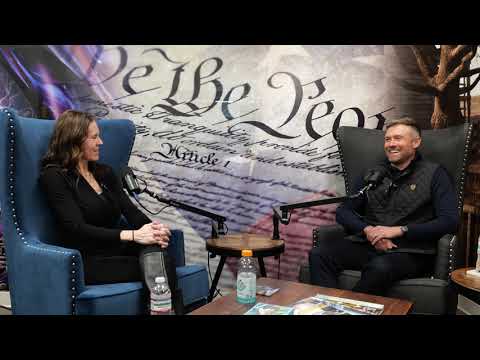
Hello everyone. I'm Karissa with Shining Light on Minnesota. I am here with Mark Williams. Welcome Mark. Thanks for having me in. Yes, you bet. So, the Curious Builder and you have your own podcast, but you're also a residential builder. Let's talk about The Curious Builder and your podcast first. Sure. Wow. Um, so I've been building for 22 years and I would say about three and a half years ago, I was completely burned out. Um I think you know it wasn't a midlife crisis as we you know hear about but it was mainly just like do I want to keep doing this kind of kind of just like just burned out just kind of tired of doing the same thing and what I had once loved had just kind of gotten the repetition a couple difficult clients I think just kind of took the joy out of it and um without going into the whole history of the different things that led me to where I went to I decided to start a podcast called the Curious Builder and I was in the middle of brand refresh for my own personal company. Like the idea that when I was 23, when I started my company that, you know, you'd begin with the end in mind wasn't something a 23-year-old thought. So, of course, I named it Mark Williams Custom Homes. Yeah. And uh anyway, through it all, we decided to keep the the name brand alone. We had won builder of the year, I think, in 2019, and someone had just wisely said like, just because you change the name of your company doesn't make your company any more or less sellable, right? And that was kind of like, yeah, that's a good point. So, let's why rock the boat? let's stay with a name that we'd had for quite a while. But during kind of discovery about my own personality and self, curiosity was my number one attribute. So when I decided to launch the podcast, um Curious Builder was just like slipping into um a second skin really. Yeah. And then, you know, now it's been interviewing builders, architects, designers all across the country. Really anyone who's a business owner. Uh I just love their story, the entrepreneurship story. And most of us got into our careers because we loved what we did. And then we had to figure out how to be an entrepreneur after the fact. Right. Right. And so really that's what the Curious Builder has highlighted. And the short version, we've gotten into wellness retreats because wellness is a big part of my life. Yes. Um athletics and then uh we do the Curious Builder Collectives now in seven other states. So basically we get uh 30 builders together quarterly uh to just talk about all this stuff. And um yeah, that's the elevator pitch on the way up to the 100th floor. Right. Well, and it's funny because everybody's like, "Tell me your story." I'm like, "Do you have an hour or do you want just the short little me like 30 hours. Yeah, I know, right? Talk a little bit about the health and wellness aspect of it. Yeah, I think it's um I've always sort of gravitated towards what people tell you not to do. So, at first they're like, you can't make money doing a podcast. So, what did I do in the first year? You know, it wasn't a lot, but I made enough to say that, you know, we were in the black. Uh and then after that, I was like, you know what, I love, you know, running and tennis and basketball and swimming and triathlons. And I mean, there's not a sport I don't like or haven't tried. And it's a big part of boundaries create freedom, which has been my favorite quote the last couple years. And if you wake up early, you've got to go to bed early, right? If you want to, you know, have high level success, whatever that means to you or whatever wellness means to you, then there's certain things you don't do. If if you prioritize this, you have to, you know, not do this. And it's very subjective based on what wellness is. And so for me, I'm like, you know what? I bet there's other builders. Uh cuz I felt like there's a stereotype that builders are fat, hairy, lazy, alcoholic, flanneling fatties. I don't know any sure they might exist like any stereotype but like the ones that I network with I mean we do a lot of stuff together. So I said you know what I'm going to go to Zion National Park next year. This was a year ago last May and we're going to have no phones, no alcohol, two day workouts and we're just going to be in the mountains because I wanted all of the things that were important to me that have shaped me to like kind of create a a place that people could go to. I had no idea if anybody would show up. Uh 12 builders from around the country showed up in Zioning and honestly the hardest thing for them to do was get rid of their phone for 3 days. Yep. Like really hard for them. Absolutely. I had a number of people that actually asked if they could have an exception and check their phone and I said no because if you can't they would always say I need my phone. You don't need your phone. You want your phone. There's a difference. Um and so where I took that from is every year I go to the Boundary Waters with some family and it's like 5 days of like and it's just you just relax. And it's it's funny how when you get away from your phone, you um you change your behavior, even if it's for like a day, just completely having that phone gone. Mhm. Yeah. So, I think that's really important to wellness. I think it's I don't think our brains were created to be stimulated as often as they are. And so, it's just it's a small break. It's once a year. It's not that big of a deal. You're going to survive. You will live. You'll get through it. Kids listening. Yeah. You'll be fine. And so um so actually just two weeks ago we I was at our second round was in Costa Rica and so we were there for 5 days with 23 builders so it doubled in size and same concept. Um you know I like to share with people different things that maybe they haven't done before. So you know it was repelling down waterfalls, it was surfing, it was um you know whitewater rafting and and ju it just seeing people act like little kids again. I mean, you have these mid 40 and 50y olds, you know, acting like a bunch of 9year-olds at a water park. It was awesome. So, that was really rewarding for me. Yeah, that's a lot of fun. Well, and it's good to see people being able to put the phone down. I mean, that's one of the big things, too. Being able to get back to their roots, doing things outside, being active. People lose that these days. I don't know. I don't care how old you are, what you're doing. Being able to do that, getting back to the mental health, getting back to everything is important. What do you think is important these days for your children and kids too? It's a great question. Um, there were two books that had a huge impact on me. One is I think it was The Social Dilemma. I think it was a special on Netflix about 10 years ago. Um, and my kids are 9,7 and six and I decided after listening to that cuz you have have you seen it? Oh yeah. So it's like seeing like the people who like you know high up at Facebook, high up at Google like leave and basically like shelter their children from anything digital was like kind of eye opening right so because they saw what it was doing to people. So, um, at that moment in time, and I say this to entrepreneurs all the time, right? Um, you don't need to be that available. And part of it is was was kind of my awakening about being an entrepreneur that if do I have a job or do I have a business, right? And personally, I think I still have a job. Meaning that if you take Mark Williams away, I think my company could last for about a year uh with my current sales. But the ask yourself this, anyone listening, if you can't maint if you if you leave the company and it can't maintain without you, you have a job. You don't have a business, right? And it was really sobering for me to hear that. I mean, when I first heard this 3, four years ago, I was like, I mean, maybe my company can make it 60 days without me, right? And now it's I've gotten better. And so, the whole goal is if I'm going to have an exit strategy to sell my company, I'm going to have to make it a business now. Um, so anyway, just that really helped me think about it. So where I'm going back to the cell phones is I turned off all the notifications, all the dinging, everything. Shockingly, the only way to get a hold of me is to call me. That works, right? Yeah. And so that I found that to be extremely helpful. But then one step further with my children, we have just decided that, you know, I heard and I ask a lot of other parents like, "What are you doing? How do you navigate this?" I'm listen I'm read I just finished the book uh The Anxious Generation and I think we're going to try it. We're just basically not going to have them have phones till they're 16. Um, and then they make models where essentially there's no social media. There's no internet. It basically these new modern phones can have uh GPS so you can do directions. Yeah. Because no one knows what a Hudson MacBook is anymore. You and I probably do. You smile. I know. Let's get out. Well, back in the day they had maps and trying to read a map when you're in a car like seeing my dad try to like get out highlighter. I'm like, how is that safer almost than being on a phone? You have a big map in front of your steering wheel. Yeah. So, um, that that was kind of fun. And then really just it's about experiences like doing things together as a family. And we're doing a speck home right now called Misahus which means cozy in Swedish. And these kind of all coales because I wanted to create a modern home in an urban environment that felt like a cabin in the woods of Maine or like a a cabin in Montana where we had one for you know a couple decades. And this idea is like when you go to a cabin experience like nothing works which is amazing. It feels so good. You relax in a different way. And so I I feel like for what I'm interested in now and kind of I' I've never been this re-energized about building again. Uh the Curious Builder helped me from the business side, but Misa has made me fall in love with building again. And so that home will be done here this June will be in the artisan home tour. And after touring your graphics, I think we might have to do some stuff in the garage uh for some friends. But anyway, um it just it's really fun to get really passionate and really excited about your personal life and how they can kind of coales with your business or vice versa. I think they can inform each other. Well, it's one of those things, too. I mean, I've realized it in my own life when you get older and you start saying, "Hey, I want to kind of get more off the grid or I want to do something where it's I lived in Montana for a long time. I lived in um out by Big Fork and on the Swan Mountain Lane Range, out by Glacier. And it's getting back to those roots, getting back to that whole lifestyle where you can do things without having all the amenities at your fingertips. You know, that's where our cabin was out there. It's absolutely amazing. You have the clear blue water and you have everything like that. And getting back to the I don't know if I'd move somewhere where I have all the snow again because I want to play golf year round. But getting back to just having having all the amenities where you can if you want to build something, you build something. If you want to dig, you can dig. like having the excavators doing what you want to do is is the ideal lifestyle getting back out in the country. Mhm. Which would be amazing. So, you've had a lot of successes. Talk about some of the obstacles you've had. Yeah. I mean, I don't think it's interesting. I think one of the things that was the most eyeopening was having your humanity is the wrong word. Um, I'm pretty good naturatured at baseline and I like to think that we do a really good job for our clients. What I was not prepared for as a as a business owner is to have my um my good nature sort of weaponized against me. So, we all we care about a reputation. I saw up in your lobby that if you leave a Google review, you get the, you know, the water bottle. And I think a lot of homeowner or a lot of entrepreneurs when they see like a Google review that's negative, it affects them because a lot of people have their u self-worth wrapped up into their company and if their company then is under attack, they feel like it's attack on them personally. That's a whole separate podcast. We could talk about that. But I realized that I was letting because I'm conscientious and I think that's a good thing to have. However, when a client essentially attacks your your your values, you're left sort of defenseless because like your values are what are what define me. And if they have issues with those values and you find out, you know, h not at the beginning, but halfway through the build, you're like you're kind of left with this impass like how do we cross this bridge? And so I just it it sounds very naive cuz you think at 45 years old I would have realized this but it was it was kind of eye opening to just realize like there's some bad actors out there and I would just like to go through life that you know we know that there is darkness and that there is evil but I'm so focused on the joy and good in people that I just don't give that enough time and space. So I had you know essentially two people that sort of weaponized my you know my desire to have a a good reputation against me and it was really hard to come to terms with that. It's kind of one of those things when you talk about Google reviews. I think people dwell on those negative reviews. Instead of taking that good Google review and say, "Okay, let's back trace the good Google review and figure out what we did right instead of let's go to the negative and figure out what we did wrong." Let's go to all the good Google reviews and figure out how many things we've done right and just reprocess that over and over and over again. Too many people dwell on the negative. I agree. I think also if we were to ask, we need to give people the a better benefit of the doubt because like if we are going to go look at um you know a review of whatever company it is like we'd be pretty naive to think that they're all like we all would love let's say a fivestar review but honestly it's probably not either real or there's just not enough reviews because not everyone is going to like us all the time which is fine. Um and I saw there's this really counterculture. Have you heard of one star reviews? Oh yes. Yes. Brilliant marketing. So, I was out in Utah skiing a couple years ago and I saw this big billboard on the way up to Snowboard Snowbird in Alton. I didn't get it at first and it just says one star, too deep of snow. And then you see another one, it's like too steep of hill. I'm like, this is just genius marketing. Right. And um I I've thought about like you know it's a little tongue and cheek but now you can actually it seems a little um self- congratulatory but basically like I could tell I could say you know what Chris I'm going to go on your website and give you a one star review but you want it to be honest because it seems fake and then I'd have you do the same but then in that one star review it'd be like you know sun control did too good job of of regulating the damaging UV rays in you know I wish I wish I had skin cancer you I don't know just coming up off the cuff but the idea Yeah, cuz most people will review the one star and then when they see that like, well, that's not that bad. And like I think for business owners, when you do get a negative review, just act professional and and just respond and say like, I'm sorry you had a difficult experience. It's how you handle it. Yeah. And I think that says because people know that there are, you know, crazy people out there. Everybody wants the they they feed off the negative, too, right? It's how you handle it. Yeah. I think another one is just um I you know I went through 2008 you know that that first crash um that was you know some really but I look back I have a series on our podcast called Losers are winners and I'm convinced that you really can't learn how to win unless you've been through losing experiences. Everybody's gone through losing experiences. Yes. And I'm way more interested in what people have done and what they've learned from that. And so I look back now, I wouldn't be the business owner that I am today and have a lot of room to grow. But even the things I have learned, almost all of them tie back to, you know, you know, losses, financial losses, uh, making mistakes, you know, hiring the wrong people, hiring the right people. I mean, it's it's just all of the experiences that ultimately give you the wisdom that you have today. It's kind of one of those like your cup's half empty, half full. You don't get to where you are today without getting to the bottom to get to the top. Mhm. What have been some of your biggest attributes and some of your biggest wins that you've had instead of all the losses? Good question. I think just meeting some really amazing people. I love relationships. Yeah. And you know, I think sometimes people come into your life for the for just the right time, the right place, the right reason. And looking back, you know, there are some of the most amazing people that we've had the privilege to work with. The home building business is super emotional, and that's good and bad. It uh but the good side of it is it it'd be like, you know, the high of a wedding. You know, it's like everyone's happy, everyone together. Um and and and you know, obviously it's a relationship though. So, so it is very analogous to a wedding or dating or any of those types of relationship analogies because, you know, for what we do, you know, you're together for 3, four years and ultimately maybe a decade or longer depending on how long, you know, maybe their family continues to work with your company, things like that. When they come back, it's building a house, it's doing everything else, too. Mhm. And so I I love Christmas seeing everyone's Christmas cards and seeing like you know you know little Laura you know when I built her her parents a home she was six and now she's 16 and like so you see the growth and and a lot of times as a builder you see these photos of the families in front of their homes and that's pretty cool. Yeah. Uh, I think one of the things that reoccurringly happens with our people is driving by homes that you've built there. It's kind of like it's a tangible thing that you can actually see, right? And in the world that we live in, there's not that many things, you know, there's no shade on financial, but like you look at like black and white numbers all day like or if you're in investments and again again it's just a different industry, but there is something deeply satisfying like driving by like that's a home where someone had their family memories like children were born in that home. They have they've got graduated parties. They have all these different things that have happened in that home. It's a pretty unique career that we get to be a part of. Like I did that. I made that happen. Yeah. Or we I mean it's a team. The other thing I've learned is like, man, you can't do any of this alone. No. And so it's, you know, I'm honored to have just amazing crafts people. And there are certain people that are able to go, you know, our career from where we started to where we are now is much different in terms of what we can do. But we've always had amazing people. But sometimes people and their life changes. They want to stay where they're at. And as a business owner, sometimes we evolve or change or reach new levels. And sometimes those people want to come with you. Sometimes they don't. Sometimes you have to pull them with you. Um and you know, sometimes to our own detriment, you try to pull somebody that doesn't want to be pulled. And that usually doesn't work real well. And lanes don't always stay the same. They could start in one position and be in a different position later on, too. Mhm. How do you think the generations have changed from when you started to where they are now as far as hiring and making people a little more get out and want to work a little bit more? You know what's interesting? I know there's a narrative out there that the younger generation that's just honestly it's just not been my experience. They want to work. It's just a smarter not harder. It's a different kind of work. It is. And I also a lot I look at a lot of the companies I work with. You know, my electricians are young. They're all 30 and younger. My cabinet, you know, they're 40 and younger. And so I'm seeing a lot of my top tier talent now. I've worked with them for decades, so I probably met them when they're in their 20s. But like they they're constantly building their new teams. Um I think there's a I think we're going to see a big resurgent resurgence in the trades. I think it's already happening. However, it's going to take time. Um I heard a stat recently. U Mike Row from Dirty Works, remember him? Yeah, he has a uh he was meeting with like um you know some of the the top people for like the naval not naval academy but like you know navy industry like building warships like mass and they're like they made a comment I could have these numbers slightly off but it was like they need 170,000 welders like this year. Oh yeah. And he and he's got a really funny delivery. He goes I know where they are. And they're like you do? He's like yeah they're in the eighth grade. Yep. Yeah. you're going to have to you're going to have to create them cuz they don't exist right because for you know 30 40 years they were told to be coders or told to do whatever and and his comment was is like you know what AI is really good at coding you know what AI is really bad at welding right so you know I do think that there is going to be and I think we're seeing it now and it also could be a bit of an echo chamber it's other builders I'm talking to it's schools that I'm talking in front of and like I'm actively trying to get the next generation so I don't know if it's just me or if it's just my community or if that's actually also true in our country. I couldn't speak to that. Well, I think it's another thing is to getting getting out there and teaching them to communicate a little bit more too. Putting the phones down and actually having those conversations cuz they're they're not knowing how to communicate because they want to communicate with their phone, which is great, but let's go into those classrooms and let's teach them, hey, the trades are out there. Let's let's be an electrician. Let's be a welder. Let's be a framer. Let's let's get out there and hey, I'm a lady and I never thought I'd be where I'm at today. Who thought I'd be in a tint business or who thought I'd be, you know, in the construction world. Let's go meeting with the grade schools. Let's meet with the junior highs and let's show them it's not all just with a hammer. There's so many things you could be doing. It's fun. Yeah. No, I agree. There's uh right now there's a program uh Minnetonka High School. I think they actually do it for multiple high schools. It's called the Vantage program. And I I think this is my fifth year doing it. So, I'm going to get a group of students. I think I meet him in two weeks from the time that we're recording this and we're going to talk about you know they come to us as business owners and say what would be something real and tangible and like essentially you're getting 12 interns what project are you going to give them right and so I've had them do marketing I've had them do research I've had them actually they helped me launch the podcast which was super cool I just happened to be in the middle of doing it I'm like okay let's let's do this together so seeing you know kind of their eyes light up at something new and exciting I'm really excited about the future especially I mean The kids are so much more accomplished than I recall myself being. They're so they're like motivated. You got like you got middle schoolers on LinkedIn. I'm like, "What is happening?" Right. Well, and just seeing their excitement. I mean, I know when we have we have so many classrooms come in here and they're like, "Wow, look at everything you guys do." And I'm like, when I was in eighth grade, I don't know if I was really looking at this stuff being excited about it. I was just like, "Get me through school." you know, we didn't have cell phones and all that stuff back in the day, but the sky's is the limit for those generations and everything that they can do and accomplish. It's exciting for them. I hope, you know, one of the things too is like just talking about entrepreneurship, the, you know, the hard part and the easy part. I think one of the biggest mistakes I ever made, you mentioned this earlier and I'll bring it up now. I bring it up a lot actually. I didn't know what the difference between markup and margin is. Yes. And I didn't know for 18 years. Now, I feel a little salty that my CPA at the time never told me because they would have had the education to know that. But my point is is that I don't I think people get embarrassed too easily and so I do personally on our podcast like I try to lead with vulnerability and like these are all the mistakes I've made a lot of them and guess what I'm going to make a whole lot more but like we don't learn unless we make these mistakes and then share them and I think why that's one of the reasons why I think we see such a hunger in podcast in storytelling it's not like it's a people like don't I don't know if this happened to you like oh it's amazing you're doing this new thing called podcasting I'm like I'm pretty sure like FDR did like fireside charts back in like the 50s or 40s like this. Radio has been around for a long long time, newspaper, radio, all of it. Yeah. This is kind of the same thing. It's just that now anybody can be a reporter. Anybody can have their own voice, which is wonderful. Yeah. And because now you can kind of find either who the people that you like to listen to, the topics you like to listen to. And I think it's great. Well, and from being on social media doing the podcast, there's always those people that are like, "Hey, you were doing this or you were doing that." I'm like, "But you know what? You're noticing whether you like it or you don't. I'm the one doing it. You're the one doing it. We're out there doing it. We're making a difference. We're trying it. And my kids are noticing. I mean, their friends are noticing. Get out there and try it. Put your foot forward and do something different. Think outside the box. You have to try something. And I, you know, you make mistakes and do things that you enjoy. Yeah. Like, you know, I don't know how long have you had your podcast? Three years. Three years. Do you enjoy it? Absolutely. Yeah. Yeah. I mean, to me, it's I love it. like every day is something new and you're you're hearing stories, you're sharing things, you're getting to know people more so you're you're dealing with losses, you're dealing with wins, you're it's it's invigorating. Yes. I like the structure of it and I like I find it that you because you meet so many new people. Yes. Um it's kind of that dopamine hit and it's intentional. You're getting to know people on a on a deeper level. I see so many people throughout the day that are like, "Hey, Karissa, you're the sun control girl or I know you." And I'm like, "Who are you. And then I do the podcast and I'm like, I know your story now. I know your kids. I know more about you. And then I can walk down the down the street and be like, hey, how was my Mount Zion? You know, how was how was, you know, that cool house that you built for the, you know, builders, remodelers, or whatever it may be. You know, it gives you that one extra step. I think that the thing that podcasting does really well is capture storytelling. It does. And so, you know, I think when we navigate whatever our life arc is or our story arc, I have become a big fan of just storytelling in general. And I feel like uh I have a lot of room to improve. But like with Misa in particular, like we created a whole story and a brand around the home before we ever started it. And I wouldn't have ever thought to do that without the curious builder and without some of those lessons that we've learned. And so I I think why are we attracted to certain companies? what story does it tell about us or what story does it tell about them when we choose to either buy their product or wear their shirt and a lot of it we do without thinking right and so I think you know for anyone listening depending on what the demographics of your listenership is I think just I think sometimes stop like why why are you attracted to that company or why are you wearing that shoe whatever it might be what is your intentionality to it yeah and I think then it it causes you to reflect on your intentionality like oh wow I've got come up with I've got to think about this a lot differently. Yeah. Who have been some of your mentors along the way that have driven you to where you are? I read a lot of books. Um so there just be, you know, hundreds of stories and books and people like that, a lot of memoirs and biographies. But I'd say probably I mean for sure my mom and dad have been amazing role models as just people. Y I think I remember my mom saying that, you know, regardless if you're successful or not, like be kind to people like and you know, my wife often says, it's a very famous quote by Maya Angelo, but people forget what they what you say, but they'll never forget how you made them feel. And I've I I used to always wonder, people would come through our homes and they would say, "I can't tell you what's different about your homes, but they make me feel different." And when I first heard that compliment, I didn't know what to do with it. I thought, well, man, they don't know enough about the house or anything. But then I realized that for me, that's actually one of the highest compliments I could get. Absolutely. Because a lot of people are not trained in architecture or trained in design, and I'm not either. I mean, I've just done it for 22 years, so I guess I've done it a different way. But when people now say it, to me, it like, okay, it hits home a little bit. It hits totally different. And so I um I think people I I find so many mentors around me by just like how they act or how they conduct themselves or little things that even in interviews when I hear people I'll be like I'll write that down like I want to apply that to my life. Yeah. Um, and I I think there's been different I've had a few of my clients that have been, you know, a lot of our clients are, you know, you mentioned earlier, what are some, you know, earlier memories, but one of them was I had a client that deliberately picked me because at the time I was much younger than our competition. And he said there was somebody that gave him a chance when he was younger. He's like, I I believe there's greatness in you and I would, but without the opportunity to prove that you could do that, we'll never know. I would like you to build my house because of that. And I'm still talking about that. And that was 10 years ago. And it just left it. It makes me want to sort of repay that to another. Yeah. And I've had a number of of in fact I'm going to um Wednesday I'm going to go sit down with a a past client of mine and you know every couple years we just sit together for coffee and he's the most interesting person I've ever met in my entire life. Fascinating individual. I feel like I just want to sit down. He would be an amazing person to interview honestly. Just mic up one of these amazing conversations. I don't know. I guess I find mentors all around me all the time. And that's what's invig conversation with and just dig down deep. Get past the first first level and get down to that third level and be like, "Okay, who really are you and let's let's figure this out and why are you doing what you're doing?" We um at our boot camp retreats, we've been doing this thing called do you know what a Jeffersonian dinner is? Yeah. And so for the audience that doesn't know, basically Thomas Jefferson would do this, you know, get everyone around from around the world, let's say, and you'd have one question that a group of 15 or 20. And you know, if you have you're at a wedding dinner and you only talk to the person next to you because it's too loud. You didn't even get to see the other, you know, 200 guests that were there. It's just too loud. And that's fine. But the Jeffersonian, it just really gets deep. It does. And so like um I won't share the what was shared just because it was private, but like the three questions that were shared on three different nights when we were down in Costa Rica was what is the thing that gives you the most joy? Yep. What is the thing that gives you uh the most fear in your life? And the last one uh one of the guests asked it. They said, "If you could go back any point in time in your life and relive a moment, you couldn't change it, but you could relive it, what would it be?" and and for an hour and a half for these, you know, these growing men and women to go deep. There were tears, there were joy there. It was just a beautiful thing for people to put their armor down and get really deep about life. And and that has been consistently my favorite part about boot camp. Here we are doing health and wellness and physical activity that but it was those conversations that I remember and that I enjoyed the most. Well, and I know I've had a conversation with someone. It was just a simple thing like, "Okay, tell me about, you know, what's your why?" And then they give you like, okay, it's my kids. Okay, now let's go two levels deeper. Okay, why is it your kids? And what got you to that point? And now let's go one level deeper. And it's it's really trying to dig deep. You know, it's not just the okay, it's my kids. All right, you know, but why is it your kids? You know, what what got you to that point? You know, let's let's get deep like let's let's make it a little more meaningful. Yeah. Sometimes it's trauma that defines them. We asked a question uh a year ago and the gentleman at the very end of it just said that well anyway he just said that um he couldn't answer the question. He spent an hour listening to everyone answer and it was a question about your childhood and he said I had the hardest time because there was nothing in his particular childhood that he wanted to emulate for his own kids. So he was he wanted to do the opposite of whatever happened to him. He wanted the opposite for his children. He was very much concerned with legacy, right? And everyone feels differently about what does legacy mean? Um, you know, I've my wife and I with our three kids, you know, you think about like how do you how do you become a good parent or how how are you a good parent? I I often joke that, you know, when the baby's born, it's not like a handbook comes out, too. You don't want to be Yeah. You don't want to be the I've failed as a parent. Like, how do you know? But everyone's values are so different. What to expect when expecting like what is that? Yeah. It changes. And so for me, I look back at I I hope that every kid and this I I mentioned before my you know mentors being mom and dad I guess a little bit but like my mom and dad were business owners as well. And so in a number not only because my parents are amazing people but because they they left us such room to grow and follow our own passions. I give them a lot of credit for that. And but one thing that that really stuck out was um mainly because it was the absence in in my wife and she said, "You have so much confidence but also so much love." And then it dawned on me that that that really was really a gift that my parents nurtured in my sister and I. And so for my wife and I, I think that the if I could be a successful parent, it would just be those two things. Could my three children when they are when they're adults, would they have just an immense amount of love in them for other people and for themselves? And also, would they have confidence that regardless of what other people said about them or whatever happens that they would be confident in that belief? And really, I think they're kind of tied together. Yeah. And so that would if if my kids can say that, if May, Simon and Tate can do that, I will consider that being an incredible parent. And that is really my goal for them specifically. Yeah. to exemplify at least those two things. But like modeling behavior, you know, you didn't ask the question, but like what would be I don't even know. I guess out talking just off the cuff like this, I I I think you do the things that you love and you want to share it with your children. Absolutely. And so it's like, are you doing it so they see it or are you doing it because you believe it? And it reminds me of of a spiritual thing that I heard years ago and it was I think there's a poem. It was called, I'd rather see a sermon than hear one every day. Right. And just the concept like I'd rather witness you doing what you love. Um and that is how I learn about it. Correct. And I think now that I think about like you know we my wife and I both get up very early in the morning and I've gotten into ultra running the last couple years for whatever unknown reason. I have no idea why. Uh that's the other thing too. I don't I think for a long time I was very interested like to know what my why is. Yeah. I think it's kind of a journey of self-discovery. Like I don't I couldn't tell you what my why. I don't know what drives me in many reasons. I have a lot of drive for a lot of things, but like I think part of it is just the joy of it. Maybe. Well, then maybe that's the answer. I don't know. It's the joy of the joy of the joy of the pursuit. Finding it. Yeah. The pursuit of finding your why. And it never made sense to me when when you know when I was a kid, my dad would say, you know, you're so focused on like, you know, when we drive to Montana, it was,200 miles to White Fish. Well, actually, our place was in Corm or Hungry Horse, which is just north of Yeah. Um and so it was 1,200 miles and like as a young teenager, I just want to get there as fast as possible. I didn't want to stop at each town and it's plus it's I'm not going to stop in North Dakota, South Dakota, the Wolf Point Circle, you know what I'm talking about. It's, you know, I think the moon is more populated and so anyway, but like as you get older, you're like, you know, what's the hurry, right? Like let's stop, let's enjoy lunch and like so I that's just a a simple fast like what why? Yeah. But I think and this is hard my own personality is faster faster faster faster. It's hard for me to slow down. So, a lot of the things that I've done now with like boot camp or you know our sauna retreats or even I have a sa we built a sauna during co and I sauna three four times a week. I sa I red light and I cold plunge every day but I don't we don't have a sauna yet. Y Oh, you need a sauna. Oh, you're you're hardcore. You're doing cold plunge without the sauna. I do. Yeah, I do a cold plunge and red light every day, but I don't do the sauna yet. Um anyway, just finding those times to be a little quieter or to or spend it with people. Yeah. Um, this I've now just started getting that my kids are nine, seven, and six, and so they're I'm I'm having them sauna with me and my wife is like, "Oh, you can't do that." I'm like, "They've been having kids in the sauna forever." I mean, look at the fins. I mean, they're born like the hot tubs and all that stuff when I was little. It's just Yeah. Yep. He is monitored. But so, I just love bringing people together. I think the thing that brings me maybe some of the most joy both personally and also professionally, the professional aspect is the Cures Builder Collectives. We have them in seven other states, but we have three of them here in Minnesota. Um, you know, a way to bring people together to talk about those are specific about entrepreneurship within building. But then, I mean, that's really what boot camp has become is to talk about life through the lens of wellness and like whatever that might mean. And so, I I think at the end of the day, I just love bringing good people together and just I I feel like I'm an old soul in that sense. Like I want to be the old grandpa like watching the grandkids play except this is my peers. So, I just love watching my peers interact and get something from each other and that gives me a lot of satisfaction, right? It's kind of one of those things, too, when you watch people be successful and do what they do and spread their wings. It's like, okay, I know I've done my job. Like, I know you're being successful. I know you're happy. I know you're doing what I've taught you to do. Let's continue to branch out and see who else can do the next. Yeah. So, you have you your kids, your family. What do you have planned with? Do you have any more trips with your family or anything new and exciting? Yeah. Um, so my sister actually, as we speak right now, just landed in Tokyo uh with her family and Japan and Italy are the top two places kind of on our list. Our kids are getting older now, so we kind of want to relook at international travel. Y um, one of the most foundational memories I have as a kid is I was 13 or 14 and our my family, we took three months off and lived in Europe. Nice. and you know before internet before you knew where to go and we live in people's homes and all that and it was really cool and I I want to do something like that with with my family and I think for us when the kids are like my wife doesn't know all this might be the first time she hears it now is um now she's I have enough podcast she probably will never listen to this podcast she's tired of my talking uh so the Annaperna circuit is a 28-day trek around the Himalayas around uh specifically Everest and K2 and a few the other ones. And so when the kids are between 14 and 17, I would love to do a summer trip with them and hike around that as a family. So that's a more of a milestone one. But in general, um you know, like any entrepreneur, you kind of want to wait till things are kind of set. And so we have a couple big projects that if they move forward, it'll sort of free up u you feel like, okay, that's something I can indulge on. And so if that happens, you know, maybe this fall, I really want to do like a hiking trip to Italy. My wife and I have been talking about it for a long time. I've been a number of times. My kids have never been. And so that would be kind of something bigger, but more local, you know, take the kids camping. Um, just they don't care. I mean, I could I live in Minneapolis. We could set up a tent in our backyard and they would think that's the same as going to Glacier Park at that age there. They just want to they just want time together. So, absolutely. It's just simple stuff, right? And there's I mean there's so many places that you can go around here, but it's for us it's not the same, but for them it is. It's just doing something different. putting a tent in the living room and building a fort inside or going out to the backyard or going to Wisconsin, whatever it may be. You're 100% right. My mom and dad are 75 and so two weekends ago, um all three kids went to my mom and dad's and dad sent me a picture. He had sent up a tent in the living room next to the fireplace with the dog and a pillows galore and the kids are having a ball. You don't have to do anything that grand. I mean, yeah, I talked about some grandiose things, but like because I want to do those, right? Well, absolutely. getting out of here, putting the phone down, getting getting out of dodge for a while. They don't care. I mean, you can do all, you know, the car trips are probably now they're old enough now to go sit in a car and go do all the But that's making memories for us, too. I mean, it's getting out of here, getting getting away for a little while where we can put the phone down and get out of here where it's for them, it's staying in the living room. It's like we still have everything at our fingertips then, right? Yeah. So, your wife, she likes hiking, too. Uh, she does. Yep. Yep. She's a she's a internal medicine, so she's a physician and u she really likes running and um but it's interesting that actually the biggest challenge for us is I'm extremely extrovert and she's extreme introvert. And so um it's kind of funny because the kids, two of them are just like me and Simon, my middle one, is very much similar to my wife. And so just balancing what uh re-energizes people, right? You know, for my wife it's being at home, it's quiet, it's cooking, it's reading, and for me it's like I can be home for about a day. That's about my max. But you're probably like I am when you get home. It's like, okay, I've done enough for today. I'm kind of tired of talking and doing all the things. So, I I can kind of deal with that now that I'm home. But you kind of keep going. So, you have a lot going on. You have some homes coming up. Tell everybody about the next home that you're building. Yeah. So, there's this Japanese principle called uh misogi or m um you familiar with this term? Yeah. And so, Kaizen's been a popular term for the last I see you've got a 3M sticker. So, I see it in corporate America, right? Like 1% better. Yeah. Well, I read this book about a year and a half ago about u misogi like pick one thing that your sort of your next year revolves around and I did it last year for the first time. I did one business goal and one personal goal and the business goal was this misuse this spec home that we created a whole brand round a story. It's in Cottagewood. It'll be done uh end of May. It'll be in the artisan home tour in June. It's going to be an incredible home and really the whole home is based on wellness. So all the things that go into the home, I I kind of went into it with this um idea that if you build a home for everyone, you build a home for nobody. And so I wanted it to be I wanted a client in mind, but more than that, I wanted I'm very good at building a custom home for somebody. Like if I was to build your home, I'd get to understand you, you know, what what are you motivated by? What do you like? You know, we'd have some things of, you know, Montana in there for sure. Uh maybe some cherry trees in the front yard, like the Flathead Valley. And so I how do you do that when there's no client? And so I really created sort of this philosophy or like this filter that when it came time for the designer, the architect and myself to make a decision, it would go through this filter and the filter would sort of get rid of the things um that don't align and became really and then once we sort of went around wellness, that's when the whole project kind of unlocked. So anyway, it's it's natural materials and then we've I've been amazed at how many partners we've attracted. Um we have 32 partners on the project which is really fun. It's always more fun to do things with other companies. Absolutely. And um the wellness industry in the United States is 1.9 trillion this last year. It's it's expected to double in the next 9 years which is insane. Well that comes out once people say hey what can you do that's green or what can you do that helps you know what do you have that's this or that's that. You know it it really comes out of the woodwork. Well and then and then getting real like what does it actually do? I heard an interesting stat that we spend 80% of our life in our homes. Like that's shocking. Absolutely. And it makes sense. I guess you sleep there and all those things, but like you know, this last summer, my other story, my other thing that I my personal misoge was I trained for 100 mileer last year. And so for me, you know, you're running outside. Well, we had all the Canadian smoke. Yeah. Right. So last summer was kind of brutal to train in Minnesota, you know. And uh but it got me thinking. Mhm. We we don't we you know we've got you know sauna culture, we have cold plunge, we have what we eat, but we don't talk all that much about what we breathe. Our lungs are amazing at filtering out toxin. Like I'm just blown away at what they can do. So with that in mind, it sort of inferred like some of the things I was doing at Misahoo. So like you know the hepailters or UV filters or we're working with Pentair. They're launching a brand new water filter called NIA. Um and uh they're launching it next week at the International Builder Show. In fact, after this interview, I'm heading over to go do a tour of their factory and to see it in person. And essentially, um, most homes have like a water softener or a carbon filter or maybe an RORO, reverse osmosis. Uh, this this NIA, which I'm going to learn a lot more about it here in about 2 hours, basically filters everything out, but then also remmineralizes the water with healthy minerals. Amazing. And I heard something recently cuz now that we've sort of been talking about this wellness uh concept around misuse, I'm getting a lot of people that you know what EMF is. So electromagnetic force fields basically how we react to being around. Turns out your phone is the number one issue way more than electric outlets or anything else. Yeah. We have to ear all the time. We are we have not paid the piper on that one. I anticipate there's going to be problems and stuff in the future. That's why they're trying to get rid of them. Right. Exactly. But anyway, where I'm going with this is um oh just companies that come to you because they're like we're we're finding that people care a lot more about their health, right? Um I mean you see the explosion of NA drinks. Oh yeah. You see um a lot more people talking about like for instance we forever use copper lines for our water supply in our homes and for the last decade or 15 years we've used PEX which is plastics. And now I had a client say well do you know that copper actually is is it hyperallergenic? Yeah. And so like so now I'm having people ask me to put copper back in the lights. And so it's just interesting the ups and downs of what you hear, what you don't. Yeah. And so anyway, no one it's not one sizefits-all. You really have to understand like what is the goals um and what we can do. And I'm really it's frankly a lot more interesting. Uh and some people are like, "Oh man, this is not interesting. I don't want to do it." And I find energy efficiency and everything out there and what's what works today might not work tomorrow too. It's just those only layer and how we breathe and what we filter too is different. Yeah. Yeah. So anyway, that's uh that's kind of the two main goals this year is, you know, finishing up Misahus and then uh actually last year um at mile 66 it was pretty ironic actually. So it was at 10:30 at night. I was at uh mile 66 and we were in Bend, Oregon and wildfires the night before had been 800 acres and they went to 18,000 acres the next uh next day. So they actually stopped the race, bust us off the course, boy, because the town and the three sisters we were finishing in was under evacuation orders. Yep. So I've got to decide whether I'm gonna go back and do it again. So I didn't I didn't I wasn't able to finish my goal last year. So goal, but but honestly, I wasn't disappointed at all. I think that's I got to the point I mentioned before about I've sort of been enjoying the journey and not as concerned about the destination. So I was it disappointing? You made it. I can't necessarily say it was or wasn't. It just kind of was. Well, it's kind of one of those things, too. You set the goal. You get to where you are. You You do it. You make the success of getting to where you are. You can't say you didn't succeed because you weren't there. You showed up. You did it. Life happens. It is what it is for that point. I mean, I know that I've played a lot of golf in my life. I played high school, played college, done all that. You know, you get to the point where I'm supposed to go pro, had the kids. That was kind of a life happens. You do what you do. You know, it's not one of those things that hold you back. It's It's life. But you still love it now. I play more now probably than I did then. Yep. So, it's a lot of fun. What do you think's next for you? Good question. What is next? You know, I think someone asked me the other day, how much time do you spend looking to the future? How much time do you spend in the present? And how much time do you spend in the past? I spend virtually no time in the past, right? Um, I used to spend a lot of time thinking about the future just because I like creating things and I wasn't very good at being in the present. I think right now I've gotten much better at being present. So like I'm really just looking at the next couple months. I mean right now I'm maniacally focused on misuse, right? And and so that is really what's next is really seeing that through. But I'm now curious about how can I do other things with it. So, we've licensed it and we copyrighted it and I've had other builders in other parts of the country because if you come to me and say, "Mark, I want to build I want you to build a house in White Fish, Montana." Absolutely. Love it. I know lots of people there, but I I'm only as good as all my people. Right. And I got to reach out to the people there and have them. Yeah. So, how do I do that? So, there's actually there's a builder in Missoula that wants to build Misahus. And so, I have to come up with a way to sort of license this, deliver it. What are my deliverables? I'm kind of excited about well I'm a Minnesota builder with a national podcast and national kind of like whether it's the collectives or coaching through the contractor coalition summit or whatever other things I'm involved with act can't actually build these homes in other places we're like I feel like designers and architects you know I talked to a local designer today David Charles or David Sweber from David Charles design and um half of his work is outside Minnesota absolutely and most builders and remodelers we don't have that luxury right and So I think finding a way to sort of not from another revenue stream, although that's obviously good from an entrepreneur standpoint, but also just from an interest standpoint. The idea that you could create something that someone else could use in their market and not and more than just like, hey, here's a plan. Like that doesn't process. Yeah. Here's the process. This is how you do it. Let's replicate it over there. So I don't I'm excited to see what that's going to yield. I have no idea what it's going to become. Right. You also have some some book groups that you have going on different places. What's the book that you guys are focusing on right now? Yeah. Yeah. So, that was uh shout out to Tyler Grace. It was his idea. He didn't he just didn't want to do it. And I was like, can I steal the idea? It's a great idea. So, I'm I'm constantly listening to podcasts or books. Um cuz when I'm running a long time, I'm like, okay, I have enough selft talk here at this point. I'm out here for another 5 hours. I got to listen to something. So anyway, um we're very strong with the Curious Builder in the Midwest for the podcast because early on like this, um everything was in person for the first couple years. So it's mostly Minnesota businesses cuz people weren't flying in to get interviewed. Um they certainly are welcome to, but it's like that's expensive and timeive. Yeah. So, if I'm going to grow this, I need to really I like the geographical model that I would go sit, you know, in a in a in a place uh wherever city in the in the country it is and geographically and then enough people would realize like, oh, who's this Mark Williams guy? Who's this curious builder? And then it would grow. So, I'm doing what I call the smile tour around the United States. So it's uh Q1 is the west coast. So from Seattle down to um San Diego and then uh Q2 is down through the south, Q3 up the eastern seabboard in Q4. So book one is Dan Martell's buyback your time. And so um I as I interview people I didn't and I certainly still like it, but I I wanted to go over I wanted to get rid of like tell me your story and you know as a as a host you kind of want you want to be interested too. Oh absolutely. And so for me it was like I'm going to use this book to sort of be a lens or a filter. um to help, you know, give the the the episode a little bit different flavor. And so we'll talk for the next three months, all we're talking about um is really buy back your time. Yep. And I'm about halfway through. I'm not even done yet. So I kind of like the idea that as I'm reading and get a new question, we're going to talk about it on the next episode. Yeah. Here's the next here's the next quote. Here's the next chapter. Let's do this because if you and I as the host lose interest because not every guest is, you know, I mean, every guest has a great story. It's up to us sometimes to pull it out. But like you know I want mine to be entertaining. I want it to be educational and I want to enjoy it. So I felt like the the book and then Q2 is Psychology of Money. Q3 is Relentless. Have you read that one? That book is amazing. Uh that is Kobe Bryant's trainer and Michael Jordan's trainer. And whatever you do, you're going to want to do it a thousand times harder than you're doing it right now. Right. And then the last book, Q4, is Unreasonable Hospitality. Have you read that one? Yep, I read that one, too. That was my favorite book last year. I was like, "Oh, darn it. I got to do it again. It's just too good." Well, it's fun when I get authors on here, too, cuz then they start talking about their book and they always give me their book ahead of time to read, and I'm like, "Yep." A lot of them are coaches and a lot of them are, you know, the kind of the same thought process because the motivational coach has kind of the same same thought process in mind, but putting it in their own words and really getting them motivated and wanting to learn and grow and do things is always fun, too. Yes. Yeah. So yeah, that's the that's the four books that we're that we're going to do next year. And so the idea is that by going around to different spots, uh like today I was on a call with a builder in Austin. Um you know, they had no idea who I was, which is fine. I didn't know who he was either. Right. Right. So like we just we both made a new friend. And so and part of it is uh the Curious Collectives, which I have in Seattle, LA, Phoenix, Austin, Atlanta, Charleston, and Minnesota. That's where we're leading these small networking groups. So, I'm sort of targeting those happen just happen to be kind of around that smile tour. So, each time I get to their city, I'll stop interview like three or four people in their collective and then keep moving on. It's just a way to people like it. It's still very exciting that people are like, "Oo, I get to be on a podcast." Which I love. I Some people are and then some people are like, "Oh, it's my first one. I'm a little nervous. What do I expect?" Or, "What questions are you going to ask?" And I'd rather wing it and just do what I do. I'm like, it's not going to go as planned. I mean, there's one gentleman I had on that, you know, he has a huge personality offline. He's got his own podcast. I know his whole family personally. He's, you know, professionally, he's does all this. I could not get one answer out of him at all. And I was asking all the right questions. You know, tell me about your family. I have one. I'm like, okay, you know, tell me about where we're at. We're here. I'm like, all right. We're going to turn this into a commercial then. Let's just, you know, show your store, show where we're at. We're going to do all this. That's fine. No big deal. We'll just we'll wing it. You know, it's it's what it is. You just got to go by the seat of your pants. I get home. My kids are like, "Mom, that was" I'm like, "It was a commercial." I'm like, "We're good. You don't need to judge me." I'm like, "I'm doing it. We're good. I I've got this. It's It's what it is. You never know what to expect." So, it's fun. I mean, every day is something new and you learn something. And that's the whole boat the whole point to it is being intentional. So, if you had three words this year that could recap or instead of having a goal, like incorporate who you are, what do you think that those three words would be? Because everybody always says instead of having a goal, have have one word. Well, I always say have three words. H the first the first thought I come is somehow how I describe myself. But I guess I'll I'll use this. Delusionally optimistic would be two of the words. Y because if you're delusional and well I should say that's one word because if you have to be delusionally optimistic because if you're just delusional well we're going to have problems. So delusionally optimistic and I what I mean by that is like if you are you know I think good things happen to good people. I think I think good things happen to dreamers and like if you are putting it out there and you're optimistic like that is a great place to sit because even if it doesn't doesn't go well like you're still not you obviously have to have some reality tied into that but from a a goal setting metric and as a attitude I don't know delusionally optimistic is a pretty good one. Um, I would also say um, joyous. And the reason I bring this up is literally was this morning on my Instagram feed because I was speaking about it on my last podcast because my daughter came home the other day and she said, "Dad, my daughter has some serious fun attitude. Like she is just all I'm like I'm like she's grounded till she's 30 cuz she's got some serious energy." I'm like, "Boys are bad, man." And she walks in and she goes, "Dad, I I I aced my spelling test today. I spelled joyous. J O Y O U S." and she's like just shaking around and I was just like this is okay. She's basically me in a girl form. She's just like a lot of energy coming and my wife is like great. There's two of you. Oh boy, here we go. One boy, one girl. And what she said is she's like, "Dad, I was up late last night reading a book cuz they're doing this readathon thing for school." And she's like, "Joy was in it." And wasn't it convenient that I learned that so that today in the so she just loving it? Who doesn't love give me some passion? Give me some joy. So I'm going to pick Joyous for May. And then the last one, um, these are terrible responses to your question, but, um, I'm gonna say comfortable being uncomfortable. It's not a one-word answer, but like I I think it speaks more to my mentality. It's actually kind of a family mantra. My dad has always said his superpower is comfortable being uncomfortable. And sometimes in order for us to change, we have to sort of be uncomfortable. And it's not it sometimes it is really uncomfortable. It is uncomfortable. But I think when we can get comfortable being uncomfortable, we challenge oursel and we take ourselves to places we would not have gone and and we challenge maybe ourselves physically, maybe we challenge ourel in our relationship, maybe it's our business, whatever it is. So sorry those don't fit on a bumper sticker easily, but those are my three responses. Well, the reason I know someone had me do I always have done just one and they said whenever you do that, try to use that in social media, use it in your podcast as much as possible. I'm like well this year I'm going to use three. So, my three were intentional because I last year I had one. I'm positive because I always stay positive and then momentum because you have to have momentum through what you do. And they're like, "Well, use that as much as you can." I'm like, "Okay, well, I can do that. I want to be intentional cuz I want to try to not really slow down. You don't want to slow down, but you want to be more intentional with everything that you do." like but trying to stay positive in everything because the world seems to kind of get down or it has gotten down with everything going on and finding the positive and everything. I'm like but there's just so much negativity. And I think having everybody stay positive in everything that they do is is my big one. So those those are my three. Positive, intentional, and momentum. I like I like I like all of those. The momentum one. It's funny cuz when you hear other people say theirs, it's funny how it elicits a reaction from Yeah. Well, and then you start to use it. I'm like, "Okay, now my phone, like every time I'm doing something, my phone's like, "Oh, you've got to have great momentum and stay positive." I'm like, "I I am staying positive." It's it pulls it up and everything that I do and say, and I'm like, "Okay, now it starts to trigger in whatever you do." So, yes, I mean, it's kind of like the I mean, piggyback on momentum. I think that's one I like the most out of this one, which which is just um you know, what is it? Isaac Newton. Once an object is in motion, it stays in motion until I can't remember how that works until opposite or force stops basically. But I was just thinking about like when you are you got to have motion and keep on going. I mean motion activity breeds activity. I mean it sails through and through just like you know just because that didn't work doesn't mean you should stop. Yep. And staying positive and keeping that intentionality going and just just go be happy and go. Yeah. So those are mine. All right. I've got a question for you. Yes. What if you could go right now and play any golf course in the world, where would you go? I would go back to Ireland and play Old Head of Canail. I went there a few years ago and it's the most it's like Pebble Beach on steroids. Um, and it's just Ireland is amazing and that's where I was and that's where I want to go back to. So, yes. There you go. Yep. There you go. Is that is that on the travel horizons? You asked me the travel question. What's your next travel? Um, I would probably I went to Ireland. I would probably want to go to Scotland, I think, this time. Yeah, that would back to Europe. Yeah, back to Europe. Yeah, I like Europe. Yeah, I think that would be fun. Um, getting out of the United States, I think Europe is Europe is amazing. Yeah, Paris, Europe, anywhere around there. Yeah, I think what you know making it relatable to what I do in terms of like homes, it's interesting and obviously I'm from the United States from the standpoint of like our cultural relationship with homes is a lot different than what it is in other parts of the world. 100%. And in uh when you know when I was in a Swiss uh family's home and you know they look at homes as multi-generational to like the fifth six well you have they all sit down and they all have like family meals and it's you have great great grandparents and grandparents and they all share bread and break bread and do their things and yeah but even even and I agree with you and I think that's a manifestation too also yeah they live together that's something that's uh different than in the US often but also like the way they would invest in their home. So like the idea that you would have anything that's not triple pane windows is like it doesn't exist right because they're like well sure it's cheaper for the first 10 years or 20 years but by 50 years or 100 years it's way the energy savings are so they think much longer than we do and I think part of it is and it's not a it's more of a contrasting example. It's not a pro and con because the tiles I mean everything in the house. Yeah. I mean the US is pretty young. We're only, you know, a couple hundred years old. Yeah. And so we're like, "Oh, I'll have the house for five or 10 years and be on to the next." You know, the average homeowner is somewhere between seven and nine years is the average time in a home. I think that is going to change mainly because homes has homes have gotten so unaffordable. Um I I just saw a stat this morning in the paper that um homes are 50% more expensive today than they were right before CO, right? 50%. We had two um of our kids that were looking for a house through co and it's like okay nope we're going to just let you have one of our houses and we'll buy a bigger house for us and just kind of I mean the generational thing is starting to finally come around now for us here in the United States versus where it's ever been. But yeah, you know, I hadn't considered that. And I brought it up culturally, but maybe that's maybe that's what's going to change our our our culture because so much of our, you know, our tax code and path to financial independence and long-term, you know, savings plans, if you will, has really been tied up into owning your home. You hear this American dream. The American dream is that you would you could start your own business if you want. Um, but then you would also own your own home. And as either either or both of those become more and more difficult, especially the home part of it, um it it we yeah, it'll be really interesting to see how we navigate that as a as a society cuz I don't I'm obviously very biased cuz I'm in it. Like I think we need a healthy ecosystem. I build at the very high-end luxury side of it, but just that's where my skill set and interests are. But like I'm just as happy like there's been a huge influx of like the tiny homes, but city codes and zonings aren't really they don't know what to do with that right now. You go out to Montana, I don't know cuz I haven't been there in a little while, but like I have to imagine it's a little bit more like do whatever you want on your land. And so like how can we create communities where this is more accessible? Would you rather have 40 acres and have three or four little tiny homes out there in one big home or would you rather have, you know, one home and share it with everybody else, right? Yeah. I guess people people have to decide. I don't know what what that'll yield. Yeah. I'll just have the one home out on the 140 acres by myself. Have a garage. We'll be good. Yeah. So, it's super exciting. Well, we appreciate having you on today and exciting to see what happens in the next year with everything and how the process is set. and we'll have to get out and be on your podcast soon too and look for everything and yeah, can't wait to hear your next hike and how all that goes too. Thank you so much for being on and hope you continue shining light. See you guys later.