

The Future of Workspace Design | Barbara Brick and Bob Batley, Henricksen and Allsteel #091
Karissa Dunham sits down with Barbara Brick and Bob Batley of Henricksen and Allsteel to talk about the future of workspace design.
Or watch and listen on:


Karissa Dunham sits down with Barbara Brick and Bob Batley of Henricksen and Allsteel to talk about the future of workspace design.
Acoustic walls, glass solutions, and what the workspace industry is looking forward to next.
Host Karissa Dunham sits down with Barb from Henricksen and Allsteel, plus special guest Bob Batley in town from Philadelphia. They go deep on wall systems, from acoustic walls to glass solutions, supply and demand, and where commercial interiors are headed.
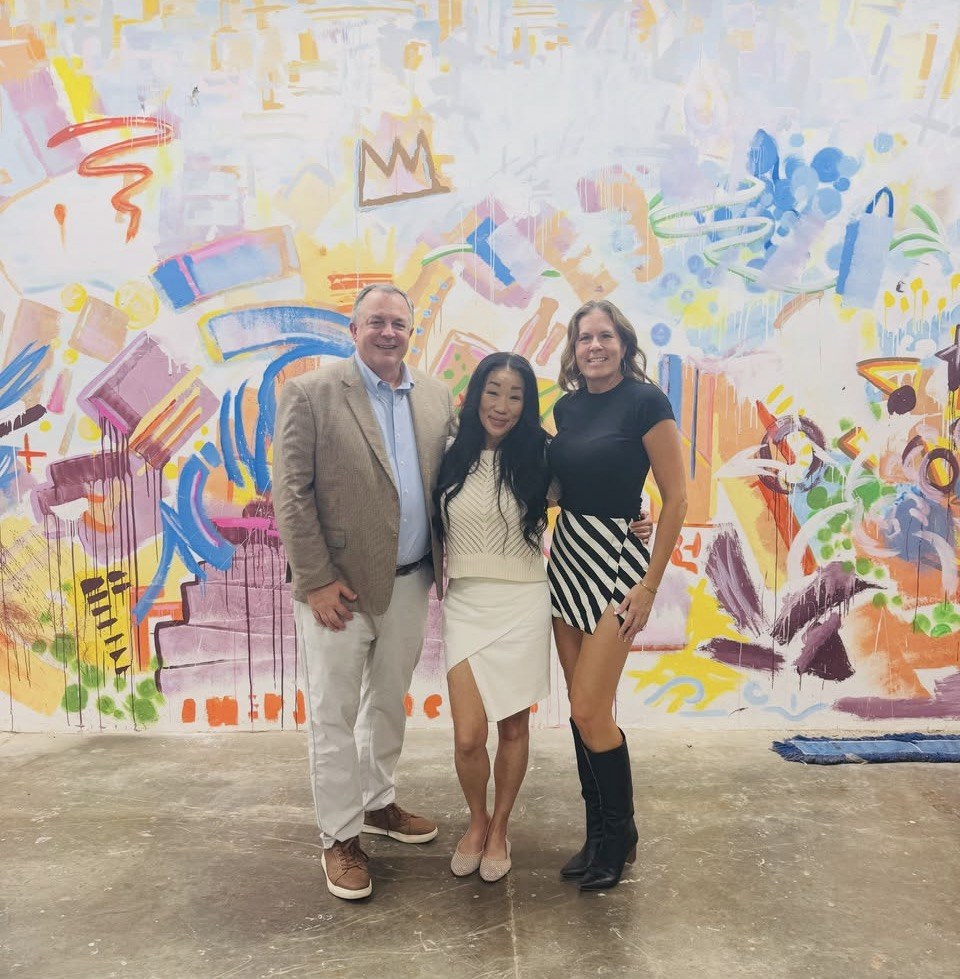
Hello everyone. It's Karissa from Shining Light on Minnesota. I'm extremely excited today. I know you have seen Barb on my podcast before, but we have another special guest with us today, Bob. Welcome Bob. Thanks so much. It's so fun to be here. Yes. So, for the people that didn't catch the first segment, let's talk a little bit about Henricksen, but let's go a little bit deeper. Today, we're going to talk about the wall systems, which is super exciting. Yes. Yes. So, let's start by how did Henricksen get into the wall business? Um, you might have a little bit more history on that, Bob. Um, I know that we started out with two. We lead with Allsteel and so our wall products are through our manufacturer, Allsteel, and we had Beyond, which was a unit, which is a unitized wall system, demountable, reconfigurable. And then we also have our Aspect product, which is a glass front system. And we have just launched a new product called Dimension, which is also a glass front system. Both are stick built. Amazing. Yeah. Yeah, and I think that's true. As a large, we're Allsteel's largest furniture dealer. And so therefore, um, when walls started coming out and being more prevalent in the marketplace, we wanted to be able to have that solution for our clients since we are try to solutioning the whole workspace. So, it was a natural fit for us to bring it forward into the dealership and offerings. Amazing. So, let's get into a little bit, you know, how do acoustics play into everyday life with wall systems? Oh, that's a big one. So we we are seeing more and more spaces where people are collaborating and they h have open workspaces. So it's really important to make sure that we're planning for privacy as well and good acoustics. So acoustics aren't just deadening the noise. It's having the right amount of noise in a space because I think we've all gone into spaces where there's it's too quiet. Yes. As well. So acoustics is a pretty well-rounded topic and that's why we wanted to discuss it today. Um, but with those collaboration spaces and there's less and less of the big CEO office right at the corner of the of the floor plan and it's become more collaboration, huddle room and open spaces. Acoustics is acoustics are becoming more of an issue or more of a a hot hot topic. Yes. No, I love that. I think you're absolutely right, Barbara. And well, just seeing that everyone's doing it differently, right? whether it's generationally working or whether it's um different neighborhoods and spaces. So yeah, so some people have to focus and they need their quiet space and some people need to get together and do other things and really huddle. So the workspace has really been really dynamic over the last six, seven years especially. And so that's where we're seeing the acoustics really start to matter. Amazing. Because I'm noticing that a lot with when you go into hub spot spaces and people are only working part-time. They want to still have an office and they want to have the silence, but they want to also have it for other people that come in, too. Yeah. Well, and it's funny that Bob, you mentioned the generational thing because we also see the folks that do better with a high energy space that have, you know, earplugs in when they're working because they need that noise. They thrive off that noise, um, when they're working. And then there's the folks that need absolute silence. So, how does that all tie into wellness for people, do you think? Well, noise is a big thing. So if if you have a space where you are hearing everyone's conversations all the time, you're being distracted, not only does it cut down on the efficiency of people's work, but it also creates stress. So that's a big one and the mental health. Yeah. Y and it's the number one complaint now. Noise is now the office number one complaint nationally of what's happening. And again, it's we're trying to do many different things in the same spaces and those spaces have gotten smaller since co Yeah. [snorts] And so they're now trying to figure out how do we manage every piece of that and you guys I know Bob you cover nationally. What are you seeing nationwide? Are you kind of seeing the same wants and needs that we're seeing here in Minnesota? I think so. As Barb and I talk every day and it's really fun to be sort of a national company because we do check in with Tennessee and DC and Philadelphia and New York and Chicago. So it's really interesting. So, you know, Barbara at a, you know, at a glance can grab anyone she needs to see what's happening for sure. Um, but we are seeing it. We are seeing smaller spaces. We are seeing that everything on the floor plate has to be earned. It's no longer just thrown out there. So, every space is fought over and decided what works for that client and how do you build a stronger uh culture for that? It's almost all culture driven now nationally. Um, so it's almost how do we build stronger culture? How do we how do we work and what do we need for those things? Yeah. How do we design for that? Yeah. And then how do we bring those solutions to help you know someone you no one wakes up in the morning and says I need walls or I need something [laughter] right or I need film or I need they wake up and says I've got a problem I've got five person teams and they've got to be solve for those things. Yeah. And what we're finding is that with the wall solution it's actually a better STC sometimes than a JIP conventional office. Right. Yeah. So how do you guys compare to some of the other companies? I mean, I know you guys have the acoustical aspect to it where a lot of them are just pop in. They're going to get them done. They're going to have the temporary walls and it's there's no soundproof barrier or anything like that. Do you guys have glass and things like that that are on top of them and different parts that you can add in? Absolutely. So, we have different different thicknesses of glass. Um there's tempered versus laminated laminate glass. Um Yeah. So, and then there's solid panel walls, too. And some of the s um solid panel walls have fabric on them that absorb sound. So there's a lot of different variations of walls. Yeah. And I think you know the idea is to get the right wall to the right person. Correct. Right. We have all done the wrong thing and you're like we missed here. Right. You have to know the customer. So you really have to understand what that looks like. So yeah. So I think there's lots of choices all the way up to double glazing to all kinds of stuff that we will solution with them. Amazing. So Barb, what are you seeing? I know we talked nationally briefly with him. What are you seeing here in the Twin Cities? Do you think that more people are coming back to the the wall systems or do you think that they're kind of Absolutely. Yeah. and adding furniture in too and all of that? It's it's such a better acoustical solution to have the walls. And um so like Bob mentioned, we have double glazed walls and those can go up to a 46 STC, which if you look on an STC chart, the um that's as good as like a CMU wall, you know, like the thick concrete block walls. So it really is. And aesthetically, it's beautiful, right? So, if you can get that look of a glass um office with the same STC as a CMU block wall, right? Why not do that? Well, it's not one of those things I'm going to wake up and be like, I want to put up a big block wall. Like, you want to make it warm and welcoming for everybody, right? I mean, with the mental health everything going on these days, you need to have something that still makes people feel welcome. Yeah. And people want the light in, right? Like, so they want to see the sunlight stuff. They don't want to just have the plain cubicles that they used to have where they're blocked in and can't see anything. And I was just listening to a woman who I love in the workspace piece, Amanda Schneider, and she was talking about, you know, the generational difference and the younger generation is talking much more about like we want to be involved in all the decisions even though they've just arrived and that's their piece. But glass walls help with that because you can see your leaders, you can see pieces and you feel more included and so those pieces are happening at all different types of levels. Yeah, it sounds like it kind of bridges the gap too. So between different generations, the ones that want to have the walls still have them, but the ones that don't really have that openness cuz visual privacy is different than acoustical privacy, right? And sometimes people confuse the two. Y um so like Bob was saying with the younger generation, they may want to visibly be able to see folks but still want that acoustical privacy. Absolutely. Yeah. No, it's important. I mean, even the ones that want to visually see things, there's parts of the walls that you don't want to see, too. You don't need to see the floor and what they have all the bags and things down there too. So all the different options. How do you guys know what the best product is for a customer when they come in? So I believe it starts at design, right? And so it's really designing those spaces for like Bob had mentioned a specific client or customer. And so we work with the design people at the A and D firms that we love to get in at that point um when they're designing the space so that we can help with that solution. And [snorts] then we get to know the client and we ask what their acoustical um needs are. Um, it can be different, right? It can be somebody who is just sits in an office and needs focus and, you know, to work or it could be for confidentiality. Yep. So, in an HR office or a CEO who wants to have private conversations. So, it's getting to know all of those details about your client. And then we have a great design team that is specific to walls. And here in Minnesota, we have an in-house designer that focuses on walls. Nice. And so we have a lot of design calls and we work with the client um to see what those needs are and then we design to that. Amazing. How do you prove to the customer show to the customer the different acoustical levels? So well there that's a good question. So [laughter] um our we're getting a little technical now. Sorry. No, our glass our walls have been tested in the lab through Allsteel. They do a really great job of testing that before the product is released. So we are able to provide that information. Um so we know that you know a double pane system with a half inch sheet of glass and a 38 inch sheet of glass you're going to get up to a 46 STC. So we already know that out of the gate. Nice. Um so that is how we know what we're recommending. Amazing. I think one thing you bring to the table too Barbara is you can have a great glass wall and then if you have a different different styles of doors do different things with acoustics as well. Right. So what Barbara is really able to do with this design team behind her is go like, "Oh, I know you think that's beautiful now. Now let's choose aesthetics over function. Let's do what you need now." Yes. Yeah. Like let's do both and let's see where we can land that and with them to help them. Yeah. Yeah. They becomes choices like we can read, you know, STC ratings all day. We do [clears throat] and people won't understand what those are, won't get them or know them. Yes. At the end of the day, Barbara's going to bring them into the Minneapolis, you know, showroom and be like, "Hey, test this store. Is this what you're looking for? test this office or is this what does this feel right what you need caught kicking the tires absolutely and we do that a lot I'm sure yes so when you guys are nationwide when you have customers that are offsite how do you reach them and what's the easiest way for you to get out there yeah so it it's the same thing that happens for us we are still working a lot through designers and being their support team okay I think Barb made a great point our our little secret is we've got seven designers and seven project managers that go all over the place um and in Minneapolis it's great because one of the designers literally sits next the barber. Amazing. Perfect. Yes. Yeah. So, they literally are talking all day over the fence, which is great. Um, but we have lots of national clients and we're all over the place with them and we will have our PMs, our project managers travel to make sure things are happening or, you know, doing test fits. We also have a whole network of certified installers. Yeah. So, no matter where we go, we have people covering all the areas. I mean, we were in Halifax, Canada, and we were doing the same sort of thing. So, it almost doesn't matter where we are, we can reach them and have that national scope if that's needed. So you are that official one-stop shop from furniture to the walls to the designers to installers, everything like that. Sure. Yeah. We can do the whole thing for them and it is just one stop. Amazing. I think that takes a lot off the load of contractors and architects and everything like that. Yeah. They don't have to source everything out and worry about the markup and everything else. We love it because it helps us with our risk, right? Like someone has to own it, right? And so Barbara owns it, right? The umbrella, everybody else works underneath me and we'll get it figured out. Everyone calls Barbara. And then designers and you know general contractors and clients can go do what they're good at. Right. Like she's got all that. Stand your lane. I'll stay in mine. You reduce the number of trade partners that you have on your job site. Absolutely. Right. And when you have so many trade partners touching one thing, you tend to get when something goes wrong, and inevitably sometimes there will be something that goes wrong. Yep. Um everybody likes to point the finger that it was the other contractor, right? It's not me, it was someone else. Yep. So one-stop shop is ideal. Yes. and you've had experience before obviously in the construction world so you kind of have a little bit more of an understanding than other people do that are coming into it. It's nice for contractors too to have that have that just one person they can go to instead of I'm going to have this sub here and that sub there and you're going to have to use a lift here. You're going to have to figure that out there. Everybody wins together. Yeah. Because that coordination piece can also leave gaps, right? And disconnects and that's where problems happen. Yeah. What are you seeing more frequently in nationally versus locally in the design world for what people are wanting? Well, has it changed in the last few months or year? AB. I mean, there are some easy ones that, you know, in on the West Coast, there's, you know, seismic bracing that they deal with because of the earthquakes and and movement of the floor plates. Um in Minnesota I would say in in central centrally um it's it's pretty pretty much the same pretty consistent. Yeah. I I see the struggle to me the the conversations for the design team for all of us to dig into is what is your space and what size especially around the huddle rooms conference rooms we used to all put in these 10 and 20 person conference rooms and two people sit in them and they have figured out that if we're earning spaces what do they have to look like and is it and how does the technology fit into that so it's that sort of whole contraption that fits around whatever your mission of your company is and absolutely and how do you work together and you know some people are all team based Yeah, we have one very very large company that we do work nationally with that literally builds everything on a 4812 scale, meaning everything is either 48 or 12. And so they build everything because they are constantly moving their project teams around. So they literally are they going this project is done, us three are done, we now have a sixperson team and they move four walls, boom, and they're up and running the next weekend with it. [snorts] That's a great question because I was going to ask about how you accommodate when more people come in if people are coming back to work versus they weren't there before. So that kind of ties into that. It really does assist the programming, right? So with our Beyond Walls, the reconfigurility of those walls is amazing for that. It's amazing solution because if like Bob was saying, if you have this huge conference room and you no longer need that, you can make it into three huddle rooms. Yep. And so it's just evolving and living in we call it living in beta where you're always evolving to fit the client's needs. And that product is great for that. Yeah. And I think that's it's interesting. I I am based out of Philadelphia and in our office, even us who do it every day, all day. Yeah. We had a conference room that we built and we didn't want to put doors on it. It was supposed to be open and flowing and we thought it was the greatest thing and it looked great on paper and we loved when we built it and four months in we realized we were 20 ft from our all day cafe and it was noisy and we needed usability. Boom. You know, we ordered doors and they were in. There wasn't a big construction project and it's it's all good again, you know. So, it's that beta piece that's so important. Yeah. Well, it also sounds like it's important to keep your com customer base on first and foremost so they always know what's ever changing and going on with you because they change every day. Their minds change what they need, what they want, everything like that. Yeah. And two of the products that we have are really nice because they're compatible together. Nice. So, if you want to have say dividing partitions that have whiteboards and panel fabric panel for sound absorption, you can do that on those demising partitions. And then you can do a beautiful double pane glass front with our dimension product in the front. So it's nice to be able to have that reconfigurable re being able to reconfigure those um beyond walls but also have the STC of that 46 for the double pane glass system as well. Yeah, I [snorts] agree. I mean, I think it's how do you stay and and we stay close to designers all day, every day. That's what we do. And we're staying really close to the trades and the GCs because they have G, you know, general contractors get handed plans and go build. Yes. And so, we are staying really close to them. They're feeling like what do they need and how do they need it? So, when dimension was launched, one of the things they really wanted was to have a little better tolerance in it, you know, meaning so they could help go with floors and stuff like that. So, you know, we're sort of listening and learning all the time. And Osteo is our main partner. I've always said they are rarely first to the market with a new innovative idea. Amazing. But when they come, they come fully loaded and ready to go. Here's here's our people. Yeah. Which is much I I like living in that space. I like living in a solution we know is going to work and not like here's an idea like squirrel. We're going to just try it in its first sector out and we're going to just hope it works. Y say yes and try and figure it out. What do you think's coming in the future for the wall system or what do you think has evolved in the last few months? Yeah. Well, um, we see some we see some curved glass in the market. Um, double paint was something that we solutioned for. Um, so curved glass is a big one. What do you see, Bob? Yeah. Another one that they've just put on, which I think is great, is we can now match hardware with paint colors or stains with the furniture. So, there's sort of these very subtle ways the furniture and walls can now start working together. Yeah. Um and then I we see some other stuff that are bells and whistles that we'll see. There's some new um paint trims that are coming out. So if it's a powder coating to the aluminum trim, it can look like wood now, not just different colors. Um there's [snorts] a lot of custom stuff and I'm seeing a whole lot sort of in the graphic speech sort of back to what you do like it's people are sort of saying like we're going to be the blank slate. Let's go to you know sun control. Let's go pop with the culture, pop with the uh signage and branding piece. How are the walls? If someone wants to change their furniture, how easily are the walls to be interchanged? Like let's say they want to try a different type of color like they painted their walls, they were white, now they want to go with a tan or a gray, and they want to make their walls interchangeable. Are you guys able to come in and rechange them out for them then, too? Well, neutral. Are you able to like So, with the Beyond product, we can pop tiles on and off. So, if they started with a monolithic steel Yes. product, they can we can put fabric tiles on there. You can do different finishes, which is really nice. And it's easy, right? Everyone likes to hit the easy button. Yeah. Right. So, and it's quick. So, yes, we can change. And compatibility with the furniture is great because we can connect directly to our furniture. Mh. And we also have a mill work fabricator that provides mill work that can connect to our walls as well. Amazing. Yeah. Very good. No, I I think you're right. And I think those are the big pieces. We I think when we by doing the work up front, yes, by listening and doing those pieces we've talked about, we realize that 90% of our clients aren't going to change the general office front glass to it. It will be the stuff inside it. And so that will be the piece. But if we're not doing that work up front, we will build something in the wrong spot and that is important for or if tenant improvement comes in or there's some big thing like co all over again that has to come in and then you can change it that way. I'm glad you mentioned that because with reconfigure reconfiguring the walls, you really want to make sure that you do that upfront. Yeah, you know that you plan for it, you design for it. [snorts] So, if you are going to reconfigure walls, you want to make sure that you have the same um panel widths and very similar door and door widths and same idea. So, you really effectively you're creating a kit of parts. Yep. And that way we have a really large client that took their headquarters and moved it to Wisconsin and they're taking all of their walls with them. Okay. And so because they've designed and planned for that, they now only have to buy a very little amount of material to reconfigure their product. What a great sustainability story, too. Absolutely. Which is becoming more and more important every day. And then you guys get to hear and see the next generation, the next location, and kind of just grow with them there and keep building out, too. Yeah. Yeah. Especially I'm glad you brought up sustainability because I believe I heard a statistic it's 5 billion pounds of um trash or debris that's thrown away just from office waste. Crazy. And so the fact that you don't have to um break down the gip walls and throw them in a dumpster and you can actually reuse them in another space is really great for Well, people don't think about that. They think, "Okay, it's it's here. I'm just going to be done with it when I move and get some new ones there. Yeah. Yeah. Yeah. With the sustainability and moving process, do they move them themselves and you guys can come in and install them back or do they have someone locally that installs them or how does that work? So, we have our install team and they are certified. Um, so as far as logistically moving them, right, they can do that. We would come in and we would catalog. We can reinstall and resurface take down the walls and then move them and then reinstall someplace else. Amazing. And we can then we if we're involved in that piece, we then can also work through the design as Barb was talking about. Yes. And then we be like, "Okay, everything fits except for these two pieces. Let's get those ordered for you so you're ready to go when you arrive." Perfect. Amazing. Yeah. And who knows what everybody talks about lighting. That's a big thing with how dark it is in one place versus another and the color and things like that. How do you guys accommodate to the lighting? I mean, if they're moving from Minnesota to Wisconsin, let's say it's an all dark room, do you get them then more glass panels? Do you Yeah. So, you can change out a solid panel with a frameless glass panel, right? And um change some of those finish colors like Bob was mentioning and that's going to make a huge impact on how bright a space is because that is important. Yeah. Yeah. Have you guys seen any other than obviously we've talked about co but any other major things that are coming up that you guys are excited for or that have changed in your industry? I mean you've talked about the curved glass but where people are going to need it more things like that. Well I would say that we see in the market um demountable walls and glass walls stick built glass fronts being used more and more in in spaces. So that's exciting for us. uh and the and the better the features that come out and the more variety of options and technology. Yep. So we can put modular power in our panels in the product. So it's very similar to a workstation. Um and then we can also make it ready for technology as well. Yes. Yeah. I think there's a whole prefabrication piece that's happening in the construction world too. Like, you know, I just watched a college go up and it was a dorm and they literally stacked them up like it was they was stacking rooms up that were totally pre-made in factory and bringing it to the piece and we certainly have walls that do that but to your point we're seeing it more one electric and mill work and all kinds of places usability is modular. Yeah. So, you know, on the client side there's so much around the return on investment and what their deal is in their space. So, if stuff can be made offsite and then they sign their lease and they start paying, we can get them in and lots of there's now a lot of pre-fabrication pieces that can get them in and going quickly. So, they're in in one month instead of three months of construction, right? Amazing. That's what I was going to ask. How long is the process and how does how does that all work from start to finish? Yeah. Well, it's great that our we uh manufacture all of our wall products stateside. Nice. Right in Musketone, Iowa. So, so you don't have to wait for the ships to come in and have them be stuck out on sea. Yeah, [laughter] it's not if you go to CO, right? Like I I have to admit I barely knew what Musketine Iowa was and even during CO [laughter] Musketine never shut down. So we were one of the few manufacturers that were able to produce and continue going working through but you need to keep people six feet apart and all that. So super important and they were able to do it in Iowa. So it was great. So yeah. But amazing. [clears throat] Well, and it cuts down on those lead times. And so schedule compression is one of my favorite topics because being that I have a construction background, I know exactly how long it takes to build offices and conference rooms in a space and I also know exactly how many trades it takes, right? So the fact that when I was in Iowa for my training and I saw three beyond offices in design or not designed, sorry, installed in eight hours, that's amazing. Yeah, that is phen phenomenal. Yeah. It's not the I have the sheetrock coming today, the taper coming, then then the painter, and then I have this, then the glass. Yep. And then it's got to be painted, and then you got to have clean up afterwards. I mean, I always like to say that walls aren't furniture, but they're just as straightforward, just as clean and um easy as furniture. Well, and it's user friendly. So, anybody that wants anything, it sounds like you guys can get it in from the technology to the whiteboards to the cloth to just the steel to the glass to a little bit of everything. Yeah. Yeah. Yeah. And I think there's a really interesting play around some of our competitors will bring trim in, then measure glass, and then bring that in two or three weeks later. And that works for some scenarios. Um, but we like sort of having it all come arrive at once and then and then go at 250 linear feet a week, you know, that type of which makes sense because it's all there. You're ready. Let's just And it's not getting banged up by other trades and that kind of piece. Like it's a finishing piece. So, we really like having it come together. We can work backwards off someone's schedule to make sure we're, you know, that's what Barbara does all day is making sure we're getting stuff ordered on time so they get it. [snorts] Well, I think a big thing for people to understand too when you work with someone like you guys are, you have to get the design set first and that's usually the longest period like what's it going to look like? How's it going to look like? They have to visually see it and understand it before everything starts and then it's free flowing from there. Yeah. And we I think you said this earlier, we love getting involved in early piece. So we are sort of the, you know, the back room for the design firms to help them understand the options. We do, our team does a lot of live design, meaning we're getting our clients on and saying, "Do you like this?" You know, we're so seeing stuff live and virtually. We have great renderings for people to look at. So there's lots of ways early on they can start getting architects, too. Let's let's get it on the plan. So we're already there. You know, we're coming in. [snorts] Let's just make it work now. Yeah. And then how does it connect everything else, right, that you do? Well, and what's great too is that we provide shops and we provide drawings. So up front you can see with your pricing what that product is going to look like in your space. And for the A and D firms, it's nice for them because we can Allsteel will help write the specifications. Nice. Yep. Provide the details. Yep. And then we send that to the A and D firm and they cut and paste and drop into their drawing. So much easier than them trying to have to do it and how do I write this up and what do I do and all of that. Yes. We demystify a piece of it which is really nice for them. Do you work with A&D firms nationwide or do you keep the same ones that go with you everywhere? Do you usually try nationwide? Yeah. Yeah, we work with a huge amount of A andd firms both in the local market but also nationally. So Bob could be working with an A&D firm and I have different contacts maybe with that same firm. Y but there's a number of them that are national that we work with. Yeah. Amazing. And I love Yeah. I'm partial too. Like I I work with a lot of national folks and that's great. Yeah. the the smaller ones are the ones that really need some of that extra punch that we can bring to them, too. So, we love the 20 person architectural. I do at least like you can get in and you can really help them see stuff. Well, they get excited. You can see them really like here's here's here's the kick. Here's everything that we can do. And they're like, "Oh, wow. This makes my job a whole lot easier." Project important project. Absolutely. And we can bring resources to them and help them, which is really nice because, you know, the poor design firms, they're bidding work, too, and they don't have enough design hours. I mean, there's a whole piece to they want their handheld, they just don't quite get it and they want to understand and be that one-stop shop. Yeah. Right. Are your installers certified for both the walls and the glass or do you have different installers for different ones? It's certified for the whole system. Oh, nice. Okay. Yep. So, I I backtracking. I do love the piece that Bob had mentioned where the product all comes together. Yeah. Because I have been on a project where the product was delivered in pieces like that. That's the hardest thing. Yep. It's like here's another 5 weeks till the glass comes in and then here's the hardware and you can't when you think about the cost too. So you you're unloading and staging product, right? And you're waiting for the glass to come or you're waiting for certain pieces of trim to come. That's not really a true lead time. No. Right. If you tell them it's going to be there in 8 weeks, it's there in 8 weeks. The entire system and then that way it gives them all time to get there and have all that instead of here's two weeks, it'll be it'll be here in two weeks. Okay. Well, that's just the glass. And then you have the sides. Yeah. And nothing happens. good with glass if it's sitting in a corner. Nothing ever [laughter] nothing that can happen that's good. It needs to be up and when it comes it's got to get up and in. It's up and in. Hopefully that job site's ready for it. That's the biggest part, right? Yep. Yeah. Yeah. Amazing. You guys have a lot of locations. So, where all are you located? Obviously, you have the Minnesota branch. Do you have other branches as well? Yeah, Bob to do it. Yeah. Well, Bob is from Philadelphia, but yes, go ahead, Bob. So, yeah. So, yeah. So, it's DC, Washington DC, Philadelphia, New York on the East Coast, and then we have three offices in Tennessee, uh, Chattanooga, Knoxville, Nashville. They'll be very [snorts] happy I got all three of those right, just [laughter] so you know. He's just beaming when we make sure they hear me. Um, and then we're all through Chicago. So, in Chicago at Oakbrook is our main headquarters. Um, and then Milwaukee and then out here in Minnesota. And so, all the pieces and parts come from the which location? Some of them Allsteel. And that's that's in Musketino, Iowa. So that's our main provider. Yes. Amazing. Yeah. So we are. So we've talked about what's next. Let's talk a little bit like who have been some of your mentors. I've talked to Barb about this before. Who have gotten you into the position and how did you get there? Oh gosh. Um yeah, I I I have a lot of gray hair and so I have I've had sort of three careers. I for And we have hair dye. That's what's helping ours, right? I got to get mine done. So yes. Yeah. So do I. Um I um I started in the restaurant world. So I owned restaurants and developed restaurants and got in on the construction side and developed that way first. I then moved into uh general construction and did that for a time. Amazing. Um which I loved and sort of built that piece. Um and then I was really looking for sort of that next move and for me it was all about who I was going to work with and culture and fit. Um I'd gotten sort of part of my career going like yeah I could do other things but what do I want to do right? Um, and there was in Philadelphia the the Henricksen uh branch just had some very dynamic leaders that I have known and I'm like I almost don't care what I do here but I was just I want to be a part of part of this team and as we had a cup of coffee they're like oh my gosh we're not executing as well as we'd like to and walls can you help us there like oh I've got this construction piece that's and we you know we sort of built this thing. So, um, so that's how I got there. And, yeah, I got to tell you that's and so, yeah, I have several mentors, but you know, that woman who ran that thing is Joan Waters, and she has been one of my favorite people of all time. Um, she's just just an amazing person with amazing insight and and she'll let you fail, succeed. Yeah. You have to learn those hiccups and those roadblocks and things to grow to where you are today. Yeah. And she's got this superpower that you will think you've figured out everything when you go to her with an issue and she will ask the one question that is simple, [laughter] should have thought about and never thought about but it clears it just it as soon as you answer that question it opens the doors. So she's she's one of my faves. Amazing. So you guys have both had construction background and now you're in this world where it feels like I can see the passion of both of you about about all the products, all the things that you can do and all the things that you can offer because it just all flows together. Yes. It's a it's a very organic combination. Yeah. Um and what's funny about what Bob was saying about the restaurant world, I also had a short career in the restaurant world. So it's funny. I think um it's that lets you see the other side of things, right? It does. [laughter] It's solving problems really is is what that is. But um yeah, and I I did want to make a shout out because one of my mentors um that as I as my career grows, I'm realizing very important in my career was um Barry Stafel from um Gardener Builders, who's now the president. Um he really taught me a lot about commercial construction. Yes. Because I came from the residential world and as you know residential residential and commercial are two totally different two different animals. Yep. And Yep. When you have them both in the one day it's like all right turn that face and get to the next. Yeah. So Barry was very instrumental in my growth. And then you know just the fact that I was in installing managing projects not installing physically myself but managing projects that walls were going in to it was just an you are part of the installation because you help set it up and you're the one driving it. So yeah. Yeah. I'm managing that. Yeah. So the fact that um I I went from that piece to now the walls I think is is very um it's a progression, right? And I think it's very similar to Bob's which is funny because I didn't know that. Yeah, there you go. And Bob is one of my mentors. So, yes. Amazing. You need better mentors. [laughter] So, we need to I need to you around. So, what are you seeing as any of the are there any roadblocks or any obstacles that you guys have been seeing in the last few weeks to few months that are ever changing that you really need to kind of work through to grow to get to the next level? Yeah. I'll take nationally and you go from there. We are constantly watching what's happening with gas prices. So there's so there's freight and transportation is going to affect everything and so we are constantly trying to manage that piece of it. So I I think that's a really big one. I I think another big one for us is and like everyone probably is what does AI look like and what does that look like in the future and what stays sort of critical core to us around the relationship building and the consulting piece and what else can we go faster with and how do we use it and leverage it to show better do more make decisions easier for the client. So I think those two are sort of where I'm spending a lot of time. Yeah, I was going to definitely say inflation and the tariffs that you know that recently were applied, but I think Allsteel has made a lot of strides to um bring things states side. Yes. So that we're not impacted like a lot of other companies are. So that's what I see as one of the biggest challenges. And I see that we want to be sure that we're keeping up right in the industry and and and providing the best options for walls. And so I wouldn't say that's necessarily a challenge, but something that's always on our radar. Yeah. Well, I think the challenge piece of that I think you're right, the challenge piece is how do we as Henricksen talk to each other in different offices enough, right? How does how do you not just get buried in Minneapolis, right, where you can reach out to Tennessee or reach out and go like, what is your law firms looking like? How what solutions can I bring? And we do really well with that in the different offices, but that can always like we always are going like, oh, I wish I'd known that, you know, how do we get that better and how do we figure it out? For sure. and what people are seeing in Tennessee, they might need stuff from Minnesota and just kind of putting everybody's minds together. Yeah. Yeah. I think that's really important to be able to work with all the different locations, having them all be a process where you've got it set now, like Minnesota's here, Tennessee's here, Iowa's there, and just kind of putting them all together, but making them all feel like one. Yeah. Yeah. So, how do you guys get the word out there obviously that you do walls now? I mean, obviously you've done furniture, now you're doing the wall piece and letting up people see that Henricksen is Allsteel. What's the easiest way for you and you kind of work together? There's different avenues for that. We have a great BD business development team. Um, and we're out there in the market and we're letting people know that that's what we're doing. We're throwing events. We're um educating. CUS are a big thing. I think it's always getting out there, isn't it? Right. Just letting people know. Yeah. Yep. Communication and letting them know. And then also just doing really doing a great job at the opportunities and projects that we are aware. The word of mouth. Yes. I mean, we talked about that the last podcast is that reputation and and really coming through for people and doing what you say you're going to do. That speaks volumes. Absolutely. Yeah. Yep. I was going to say same thing. I'm I'm about stacking wins, right? How do you stack great projects, right? um on top of each other um and making sure and I think the other piece is you know and what do you do when it goes sideways or something happens in the field and us like you know who stands up and who says something like yes when projects go well you're rarely remembered I can tell you three or four of my best relationships right now is when something went sideways and we said we got you we got that we will fix this like we've got where we're going here well and word of mouth travels faster when it's something that goes wrong but it's still traveling so they're like oh Henricksen does all Henricksen's steel and they do walls. I didn't know that. Like whether it's bad or good, people are still hearing about it and they're still being known that it's out there. So, it's still a growing process and being a great resource for people. Yeah. Right. And being that partner. So, even if we're not awarded a project and we're initially it's just an opportunity, being responsive and being there to answer questions and provide information and maybe it's not a good fit. I mean, there have been situations where it's not a great fit, but the fact that we were there and we help them vet through that and we're honest and upfront that they'll know the next time around that comes through or comparing apples to apples and why didn't we win that bid? You know, what did what did I miss that maybe I can learn from next time, right? Yeah. It creates that trust. Yes. And the trust is important. Yep. So, we've talked about what's next. We've talked about your locations. Are you going to be adding any locations or do you have anything new in the mix other than the three in Tennessee that you're excited about or [laughter] Yeah, mum's the word I think at the moment. Headquarters right now isn't saying much. We about 3 years ago they acquired the DC and Philadelphia office. So I'm fairly new to the Henricksen side and the three in Tennessee. Um and so internally they are, you know, which is a lot right now. Yeah, it's like the geese, right? Like they they're paddling really hard underneath to make sure all our processes are aligned. How do we get efficient? How do we do all those pieces? and we're supporting back out to all the locations. Um I would not shock me if we grew more. I think Henricksen's poised to do that. I think they're strong enough to do that. Absolutely. Um but they want to make again I I think they have the same measurements you do. Are we servicing clients well? Are we taking care of designers? Are we, you know, are we a resource? Are we consulted? Are all the eyes dotted, the tees crossed and are we doing the job right? Not just there's no reason for growth for growth's sake. That's not um where we're doing. And I was shocked how much work Henricksen did to get cultural fits. So they spent a lot of time supposedly I didn't know what was happening sort of just going like is Philadelphia the right one for us like you know are we the right partners like this can merge and I've got to tell you I've seen lots of mergers go poorly go badly and this has been you know we're on different systems and that kind we're clunky a little bit and we and we've smoothed all of that out. Um [snorts] but the culture was never the issue like which is you never know with the accusitions and what you're getting yourself into as a company like is it a good fit? Is it not a good fit? We're still going to try and make it grow and if not we'll just change it to evolve the way we need to. Yeah. And yeah, the first time I met Barbara, we hit it all. Like it was like, okay, we've been working [laughter] together for 10 years. Like we know what we're doing, right? Like this is great. So yeah. And [snorts] the fact that we have we retain people. Yeah. You know, we have account executives at our office that have been there and project coordinators that have been there for 30 years. Amazing. And that says something worked at Henricksen. So, I mean, when you see a company that can retain people like that, that that speaks volumes, right? It's not just I'm going to be here for 2 years and go to the next place and the next place and kind of hop from job to job or location to location. Yeah. What do you guys think you would tell the people out there that are looking or thinking about getting walls? What kind of advice would you give them? I would say do it. Yep. Right. [laughter] Think about it. Come to us. No. Yeah. Well, I I would say don't do it alone. I would say immediately call Barbara. I mean like cuz she I know her well enough be like yeah that's not the right fit or that is the right fit or can I get you an early budget to see if it even fits into what you're thinking of or can I get you an early design like she can help you walk through sort of a stage of questions that will get you there. So and if she doesn't have the team she has other people to reach out to great resources. Yes. She's got wonderful resources to get to the stuff they need. But Barbara, I think, can help without any undue pressure of just helping you ask the right questions before you go into an office building going like, I love this, I need this, and then, you know, put this in. Like, that's not where we operate. It's we'd much rather make sure it's a good fit. Nice. Amazing. So, if your customers move from location to the location, let's say they're moving out to Tennessee, do you still handle that account because it's yours or do you have help your have your team help too, but you're behind them with them? Yeah, that's one of the things I love about Henricksen is we do try to make that right fit. Nice. Once it fits. Yes. Then we keep it, right? So our account executives and and Bob has a project that's in Minnesota even though he's from the Philly office. So yes, we do keep that. People kind of worry about that bond like once you've built that trust and rapport with someone, you try to hand it off to someone, they're like, "Wait, what?" Like not sure about that. I can just go to somebody local there then. And Yep. Nope. Yeah. And the nice piece is, you're right, we do have someone local that will show up. Yes. But I can still be your contact and I'm still you. Y amazing. So, we've talked about a lot of good stuff. Let's talk a little bit about something fun. Okay. Travel. Where have you traveled lately? Obviously, you're doing traveling with work, but outside of work, have you done anything good? Okay. Um, yes. So my my wife is an insane traveler. So I yes I go most times with her but um most recently the fun thing for me was I played soccer through college and semi-pro for half a minute. Y so I um went to Kansas City and saw a World Cup game there. So that was super fun. It's a bucket list for me. Who played and who was So I have followed the Netherlands for years. Netherlands versus Tunisia. And so I we went and spent the weekend and the Netherlands won. There you go. And then they won when I was there. when you were there, you brought the luck. Yeah. And Kansas City is a great town, so it was fun to see. So, yeah, we uh Yeah. No, I'm afraid I'm going to owe her a trip to like Paris or something like I [laughter] think I think I'm like, I'm building it up. They need to win again. So, I'm going to go. Yeah. Something's coming, I'm afraid. Yeah. So, that's been great. No, we love to travel. Amazing. What about you? Have you done any traveling? So, you know, all the kids I have. Yeah, I'm I'm in the boat. Yep. So, for me right now in this stage of my life, it's less about vacations and it's more about trips. Do you guys know the difference? Oh, absolutely. So, trips are really mostly to um Michigan cuz that's where my husband's family's from. So, that's what we're doing. We're taking trips to Michigan. But trips for you and I are like vacations for other people because of everything and all the things that are tied into it. Yes. [laughter] But I do get to do something fun. Um in December, we talk about culture and how we work together with people. our um our uh showroom manager, Honey Reebar. She um is getting married, so she's getting married in the um Virgin Islands. Oh, wow. Fabulous. So, I was invited to the wedding and so we're going Is that kid free? Yes, it is. Even better. There's There's your vacation. So, I'm actually taking Oh, you're coming back. I need to go. I know. She's going to have her own little island there. She'll be good. She'll be able to fly, but let's see how it goes when I get there. Yes. Do you guys do like obviously you do a lot of expose and nationwide things. How often do you guys get together as a full group? Do you do that? Yeah. Not enough but yes, usually it's once a year or so. So there's a huge national show uh in Chicago and so a lot of us see each other there. Um and then we're pretty good as a group getting on either teams and other stuff but also and we're pretty good at getting together sort of regionally too. It's interesting like DC, Philly, New York will see each other probably more. I know Tennessee sees each other. Um [snorts] to Wisconsin for their grand opening. They had a they had a they moved to a different location and they have a beautiful showroom thereing experience center. So, a bunch of people from the Minnesota office went to to Wisconsin. So, we do things like that. Do you guys go to the Iowa place or location a lot just because that's where they're building and creating and you have to stay up and see how everything's done and so so Allsteel is nice. Yeah. So, two things. One is they have a very nice [snorts] um showroom and experience center Fton Market in Chicago. So salesy side sort of heads there. The PMs and other people and people like Barbara and I who want to kick the tires, we'll sneak over to Musketina. Absolutely. You have to. You want to see that and understand it. And we love cornfields. Yes. Y and [laughter] they were great. They did a great three-day and several of our project managers went when Dimension was launched and showed how it was built. So the behind the scenes of that and then they got to build it too, which is the part of selling. It's the kicking of the tires. It's to know when someone comes in like you're going to have that that question that engineer that wants to know the back end of it and how it's done. So yes, absolutely. So it's Yeah. So no, it's fun to see them and also is a great partner that way. They are really good at getting people out to us as well. So if we have a job, they have technical project managers that will come as well. And how long has that partnership been around for the Henricksen? I So I know my old firm was was the first Allsteel partnership is my understanding. Joan [snorts] would tell me that no one can disprove her. So she's [laughter] taking it and it was in the first. So now they're listening and they're like, "Okay, here we go." Now from Jones going, "Oh gosh, don't say that." Um, but I think we were one of the first there. I think Henricksen has been an Allsteel dealer for a very long time, but they became a main dealer, I think, right in 1999 or 2000. Amazing. Um, and then we've been the number one dealer for a long time. Very good. It's very pivotal. Yes. Yeah. Yeah. Which is fun. Like it's fun to brag about it, but I think it's really fun for clients because Barbara's got people she talks to at a level. We have CEO level talking to. So it's a true partnership all the way through. We have financial talk to each other and it's not one separate place. Everybody's a one-stop shop. Like here I have to send you to my Allsteel people now or I have to send you to the design team. It's we're all one. Today in the Minneapolis office, we have two of the main players from Allsteel looking at the dimension install that happened. Just checking it out, making sure it's right and we're going to go back and get to talk to them a little bit, which be fun to see them live. That's fun. Yeah. Yeah. So, yeah. So, they really are present in our relationship. Good. That's important. Yeah. Yeah. And always a resource. What have you seen for the girls around here? Anything? Oh, yeah. I I definitely think I mean I remember um a certain demountable system that came out that we all know back I think I first learned about it back in 2016 and that was the only one. Now we've got manufacturers all over but seeing the seeing glass office fronts and demountable walls um on more and more plans now I mean it's becoming a regular thing which is good. That's what you want right? Yep. Well, and I think people are realizing not just the aesthetics of it, but the acoustics and and the reconfigurility of it. So, um it's it's just a great product. It's a great solution. So, that's I do really see a lot of growth there. Absolutely. Well, and it's mental health plays into a lot of it and people don't think that that has a tie to it, but it really is huge and having the sound barrier, having everything there and that's on the forefront of everybody's mind right now. Like we need to have this wellness room and we need to have this experience and we need to have what's accommodating for everybody. Yeah. Yeah. That's why we call it a full solution. Yeah. [laughter] Well, I think the healthy piece is so interesting, right? Like, you know, I grew up in Nero. It's like, oh, shut up and deal with it, right? [laughter] Suck it up, buttercup, and let's just do it. Let's do this. And and and the world's gotten infinitely more complicated. It has. Um, [snorts] so, you know, I think about your kids all the time going like, wow, this is going to be interesting for them. Like, you know, I'm old and can't figure out my passwords. what you [laughter] know what you know what's their issue and they don't want to talk to you they just will text you or send you a message or be like just figure it out trying to call what's so interesting right like I walked into a friend of mine who has kids and there were three of them totally engaged with their best friends all playing a video game not talking to each other I mean they're texting and doing other things but they're not connecting like the three of us might have back in the day communication is still really really needed and people want that more today than they've ever wanted that before you can go in and have a conversation with someone face to face and show up and be that person, that human connection, they're going to welcome you in like there's no tomorrow. Yes, it really is important that connection because I think when COVID happened and we got away from that, I think it had a huge impact on how people do business and the wellness piece. And so I think I heard a statement um on the news where it says our generation is not my generation. I know, but I know what you're saying. The young generation, me, you're talking about me. Yes. your generation, Bob's generation is is the loneliest generation, even though they have the most technology and ways to um connect, they're very lonely. So, getting people back into the office, butts and seats, is really what we want to see. And I think it'll have a positive impact on and it helps bridge that gap between all the different generations, too. Like yes, you were doing everything working from home and you didn't have you did everything via Zoom and the older generation are used to just only doing things via hand of paper. Let's put everybody together and get them all together back to one so they can all communicate so they can see the value in that. Yep. Yeah. And it's fascinating because you know I my kids are you know I don't have any kids. My house was quiet during COVID. I could work at home all day. I have enough friends. You know what I mean? Like I'm good. I'm good. But we have several young people in our office that were craving sort of the mentorship too piece, right? Like can you guys all come in because I want, you know, Bob drag me into that meeting with a client that I probably don't deserve to sit in, but I want to see, right? Or they want to get the hands on. Yeah. Or how do I, you know, walk over to design and see how they're doing something? Like there's that mentorship that I think that they that they do crave and understand and need. So well and I mean even that generation to the younger one like the putting everybody together and just understanding how the whole project gets done I'm sure like from start to finish and everything. Yes. Yes. Cuz the both uh views are very important. All the views are very important. Yep. So that collaboration piece and getting people in the office. Sometimes working smarter and harder is smarter not harder and is is a nice way to do it too. Yeah. Absolutely. Well we appreciate having you guys on today. Is there anything that you would tell your younger self that you have learned in the process? Oh wow. Good question, right? It's a great question. That's a thinker. Um I'll go first. I'll do that. Let's do that. So I think two things sort of come to mind right away. One is I never listen to my grandmother and she was really good at saying two ears, one mouth. So just listen more. I you know kind of thing. Um and uh I wish I fail more. Like I think failing more earlier is You need to be able to do that and I think it's fine. I think nowadays if I was young now I think there's a lot of things that make you prevent you from failing. Yeah. And I think it's really good to skin a knee to bump into something be able to fail a test do what you need to do and learn [laughter] from that and and very few things are life-threatening when you fail. Like you know it's there are some things there are some bumpers you need to make sure you don't go over but I think fail well you learn from failing. Like if you fail once and you try to do the same thing over and over and over again, then there's a problem with the process, not so much with what you're failing on. Like, yeah, I would agree with Bob. I don't mean to sound boring, but the listening piece is so important to stop talking and listen and really hear what people are saying both in business and personally. Um, and I think putting your ego aside, being humble, I think that's a huge thing that will help you in your personal life and in your professional life. I would say when I first got into this industry because it was so important to me to do a good job and to be seen. Yeah. I I had way too big of an ego and too much pride and and now looking back I would have kept my mouth shut more, listen more, and really put my ego aside and been a lot more humble. So that's Yeah. Well, I think a big part for people listening is listening for to give an answer and actually understanding what the person's saying and getting down to that deep. I mean, that's customer service. That's in everybody's role every day. What exactly do you want? And when you're not listening to hear them, you're just listening to reply. That's the difference. Huge difference. Yes. Well, thank you guys for coming on today. How can people find you and where can they get a hold of you? So, I'm here in the in the local market and you can call me. I know not a lot of people pick up the phone and call anymore, but you can call me. Yep. You can email me. You can come see us at our experience center, which is right in the North Loop. Um, but yeah, I am also on LinkedIn, Instagram, and I am always responsive and excited for a new opportunity. Amazing. Great. Barbara tells me who I should talk to. So, call Barbara from Call Barbara and get a hold of Bob. No, no, I No, I'm around. Say, is this Bob? And it's going to be Barbara. Probably easiest nationally is LinkedIn. You'll see me and I do a lot of posting and I'm there and I have all my contact information there. So, LinkedIn's probably easy. Thank you guys so much for being on. We hope you continue to shine a light and have a great day. [music] Thank you so much. Yep. See you guys later.

Karissa leads business development at Sun Control of Minnesota and hosts Shining Light on Minnesota, sitting down every week with the business owners and leaders who are building something good across the state.





